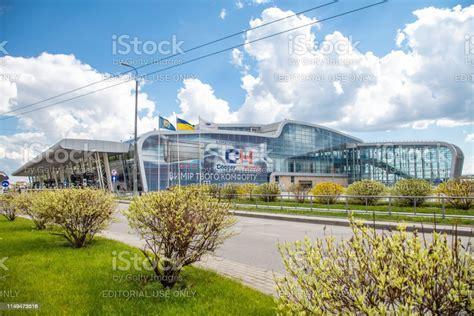
Lviv Danylo Halytskyi International Airport (IATA: LWO, ICAO: UKLL) is one of Ukraine’s most historically rooted and strategically significant aviation centers. Situated just 6 kilometers from Lviv’s historic center, the airport bears the name of King Danylo Halytskyi, the 13th-century ruler of Galicia-Volhynia, reflecting both its national heritage and modern ambitions. The facility is owned by the Government of Ukraine and operated by the State Enterprise “Lviv Danylo Halytskyi International Airport,” and it serves as a critical connection point between Ukraine and the rest of Europe.
A Legacy Forged Through Decades of Transformation
The airport traces its origins back to 1923, when it was founded as a Polish military base in Skniłów. By 1929, it had evolved into a civilian-military aerodrome and was named after the then Polish president, Ignacy Mościcki. Lviv’s early air connections were surprisingly expansive, linking it with Warsaw, Kraków, Bucharest, Sofia, Thessaloniki, Athens, and Lydda. Following World War II, the airfield became part of the Ukrainian SSR, serving as the base for the 243rd Independent Mixed Aviation Regiment of the Soviet military until 1992.

Renaissance Through Infrastructure and Internationalization
A major turning point for the airport came in preparation for UEFA Euro 2012, when the government initiated a transformative $200 million expansion project. This included a 700-meter extension of the main runway and the construction of a new 34,000 square meter terminal capable of processing up to 2,000 passengers per hour. These upgrades significantly boosted Lviv’s international accessibility and operational capacity.
The modern Terminal A, inaugurated in 2012, features 29 check-in desks, nine gates (including four jet bridges), four cafés, two duty-free outlets, and two executive lounges. Its throughput capacity stands at 3,000 passengers per hour, positioning it well above the national average for regional airports.
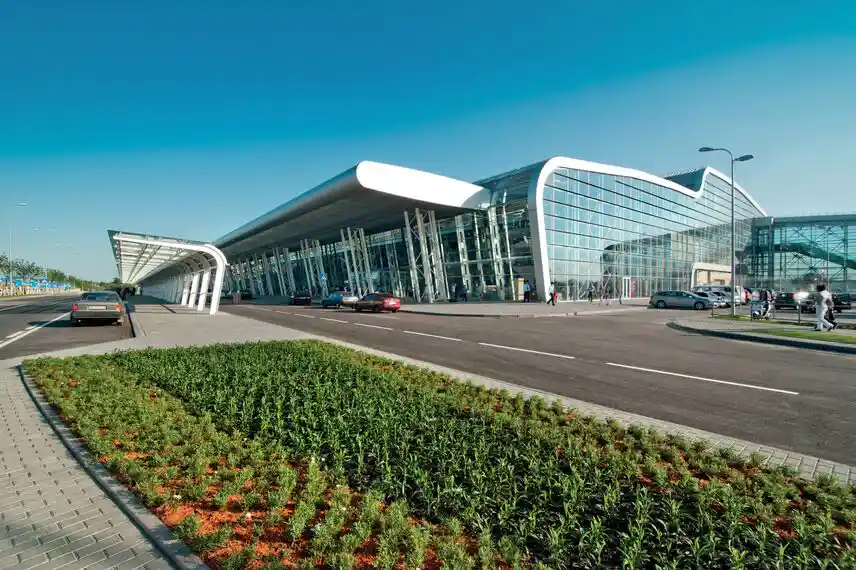
Meanwhile, the historic Terminal 1, built in 1955, was reopened in 2019 to handle domestic and charter flights. Though it has a more modest capacity—300 departing and 220 arriving passengers per hour—it remains an iconic part of the airport’s architecture and functional layout.
Growth, Airlines, and Strategic Alliances
Passenger traffic at Lviv Airport has seen remarkable growth over the last two decades. From a modest 144,100 in 2003, numbers soared to 2,217,400 by 2019, driven by Ukraine’s increased integration with European air networks. Though 2020 witnessed a sharp decline to 878,500 passengers due to the COVID-19 pandemic, 2021 saw a substantial rebound, reaching 1,834,051 travelers.
Lviv functions as a hub for Wizz Air and SkyUp Airlines, while also serving as a focus city for Ukraine International Airlines, LOT Polish Airlines, and Ryanair. Other key operators have included Turkish Airlines, Lufthansa, Austrian Airlines, Pegasus Airlines, Air Baltic, and Motor Sich, with regular and seasonal routes extending across Europe and the Middle East.
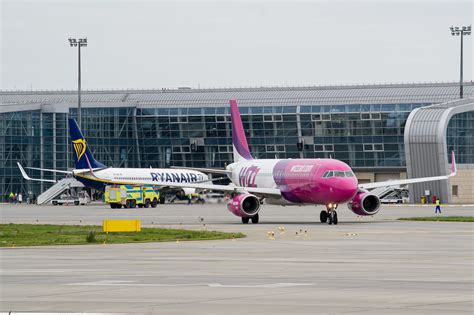
One of the more pivotal developments occurred in 2017, when Wizz Air resumed the Lviv–Wroclaw route and Ryanair initiated its plans for Ukrainian operations. Though initially delayed, Ryanair began flying from Lviv in 2018, offering five direct connections that enhanced the airport’s visibility within the European low-cost aviation market.
Runway and Airside Capabilities
The airport features a single concrete runway (13/31) measuring 3,305 meters in length, suitable for wide-body aircraft operations under virtually all weather conditions. This extension was vital in preparing Lviv for larger aircraft traffic and increasing the number of available slots per day. In 2021, the airport recorded 17,444 aircraft movements and handled 2,282 tonnes of cargo, underlining its importance in both passenger and freight logistics.
Ground Transport and City Connectivity
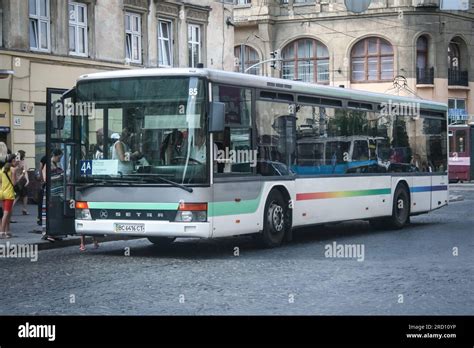
The integration between air and ground transportation in Lviv is streamlined and passenger-friendly. An express shuttle bus connects the airport with Lviv Railway Station every 90 minutes, offering a direct link to national and international train services. Additionally, City Bus No. 48 and Trolleybus No. 29 provide frequent and economical access to Lviv’s city center.
Taxis and car rental services are readily available on-site, catering to both international tourists and business travelers. Given Lviv’s increasing popularity as a destination, these multimodal connections are vital in sustaining smooth passenger flow throughout the year.
Accidents, Incidents, and Resilience
The airport’s operational history has been shaped by several high-profile incidents. The Sknyliv air show disaster of 2002 remains one of the most tragic events in global aviation display history, with 77 fatalities when a Ukrainian Air Force Su-27 crashed into spectators during a maneuver.
Another serious incident occurred on October 4, 2019, when Ukraine Air Alliance Flight 4050 crash-landed just 1.5 km short of the runway, having reportedly run out of fuel. The tragedy resulted in at least five deaths and intensified scrutiny on airline fuel planning protocols.
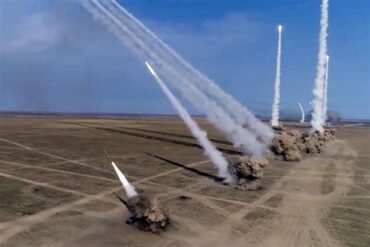
In the context of the Russian invasion of Ukraine, March 18, 2022, marked a dark chapter when Russian missile strikes targeted the airport’s aircraft repair plant. The attack was a stark reminder of the vulnerability of civilian infrastructure during wartime, although the main terminal facilities remained intact.
The Role of Lviv Airport in Regional Resilience and Future Prospects
In spite of armed conflict and economic headwinds, Lviv Danylo Halytskyi International Airport stands as a symbol of regional resilience and connectivity. Its modern infrastructure, diversified airline partnerships, and growing role in cargo transport underscore its strategic importance not only to Ukraine but to the broader European airspace network.
Future plans for the airport are deeply tied to the nation’s broader geopolitical recovery and integration with the European Union aviation system. With western Ukraine relatively more secure than other parts of the country, Lviv Airport is poised to become a central player in post-war reconstruction, humanitarian logistics, and the eventual revival of international tourism.
Given its ideal location—close to EU borders, rich infrastructure, and cultural significance—Lviv Danylo Halytskyi International Airport is not merely a regional hub. It is a gateway to a resilient future, representing both the enduring heritage and modern aspirations of Ukraine.