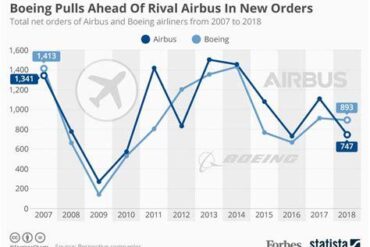
In a striking turn in the ongoing aviation rivalry, Boeing surpassed Airbus in aircraft deliveries for June 2025, delivering 58 aircraft compared to Airbus’s 57. While Airbus still leads in total year-to-date deliveries, Boeing’s strong monthly performance—combined with a resurgence in orders and key deliveries to China—has sent ripples across the global aviation industry.
Boeing’s June Performance Signals a Strategic Rebound
June 2025 marked Boeing’s most productive month this year, culminating in a total of 150 aircraft delivered in Q2, a significant jump from Q1’s 130 units. This 15% quarterly increase is Boeing’s best second-quarter result since 2018 and demonstrates a tangible rebound following years of production and regulatory struggles.
Among June’s highlights, 104 aircraft were 737s, solidifying the narrowbody jet’s position as the workhorse of Boeing’s fleet, despite ongoing scrutiny. Additionally, the 787 Dreamliner program doubled output, delivering 24 units in Q2 compared to 13 in Q1. The long-haul 777 and 767 programs also showed consistent progress, with 13 and 9 aircraft delivered, respectively.
These gains are particularly significant against the backdrop of Boeing’s prior troubles, including high-profile safety incidents, regulatory scrutiny, and international delivery freezes. June’s numbers suggest not only a temporary uptick but a possible long-term course correction.
Airbus Remains Ahead Year-to-Date But Faces Bottlenecks
Despite Boeing’s June success, Airbus retains its lead in overall deliveries for 2025, with 300 aircraft handed over through June, including 57 in June and 243 between January and May. The A320neo family continued to dominate the European manufacturer’s output, with 34 units delivered in June alone, alongside eight A350s and 11 A220s.
Airbus’s ongoing challenge lies in the supply chain constraints, particularly engine shortages, affecting its narrowbody programs. Still, the manufacturer’s global production network—spanning Toulouse and Hamburg—has allowed it to maintain a relatively stable output, softening the blow of these logistical setbacks.
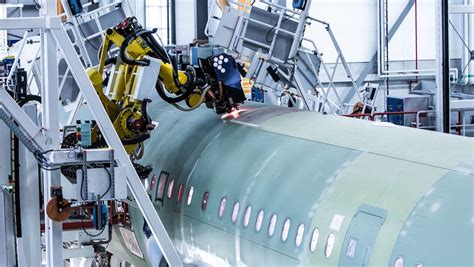
The A220 remains a rising star for Airbus, thanks to its fuel efficiency and appeal to regional carriers seeking sustainable options. Meanwhile, the long-range A321XLR is gaining traction ahead of its entry into service, positioning Airbus to defend its turf in the increasingly contested narrowbody market.
Chinese Deliveries Reignite Boeing’s Global Ambitions
One of the most transformative developments in Boeing’s June comeback was the resumption of deliveries to China—a critical milestone after years of diplomatic freeze and regulatory delays. Chinese carriers had paused Boeing orders and deliveries following the 737 MAX global grounding and broader U.S.-China tensions.
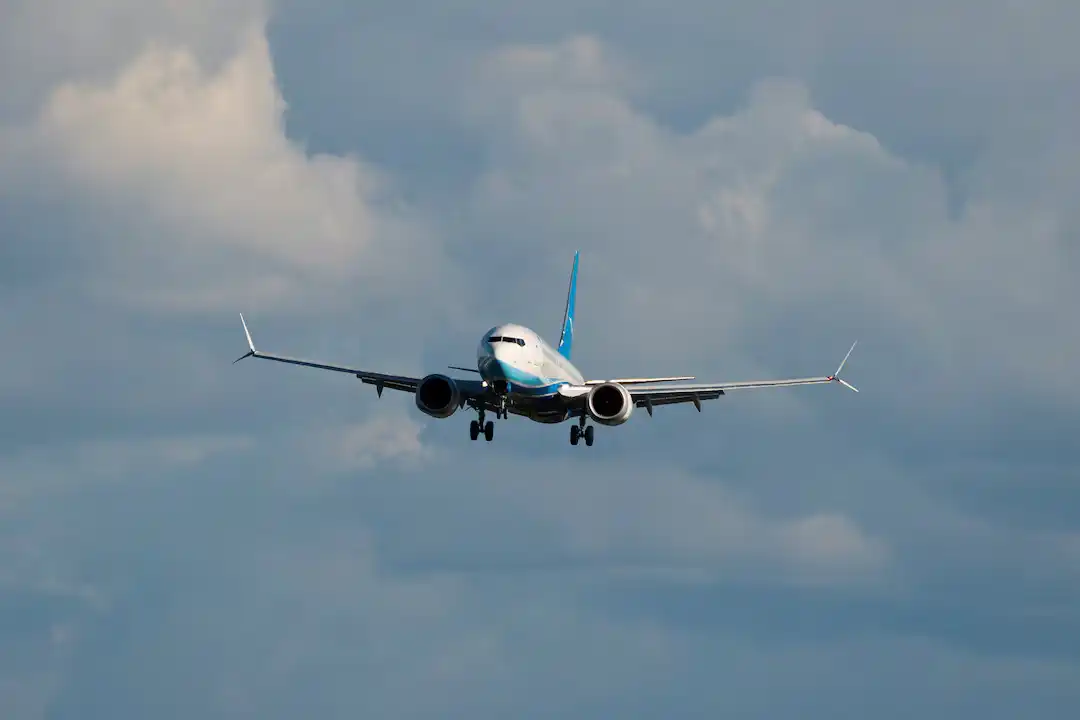
However, June witnessed a meaningful thaw. Boeing delivered 737 MAX aircraft to Xiamen Airlines, China Southern, and Air China, alongside a long-deferred 787-9 to Juneyao Air and a 777 Freighter to Air China Cargo. These deliveries not only reflect Boeing’s renewed access to the Chinese market but also underscore the strategic importance of Beijing’s civil aviation sector.
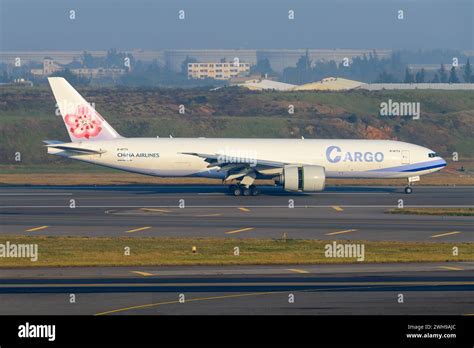
China, projected to become the world’s largest aviation market by 2035, holds immense long-term value for Boeing. The re-entry into this massive market has reinvigorated Boeing’s commercial ambitions and created new pathways for future widebody and narrowbody sales.
Record Orders Propel Boeing’s Recovery Story
Deliveries aside, Boeing made waves in Q2 2025 with an astonishing 427 new aircraft orders—a dramatic leap from just 25 orders in Q2 2024. This surge was highlighted by Qatar Airways’ blockbuster order of 160 aircraft, including 130 Dreamliners and 30 777-9s, with options for 50 more jets.
This monumental deal, placed despite lingering safety concerns around some Boeing models, suggests renewed airline confidence in Boeing’s product lineup—particularly its long-haul, fuel-efficient aircraft suited for intercontinental travel and cargo operations.
While the 787 Dreamliner remains under safety scrutiny following the Air India crash earlier this year, its operational economics and range make it a favorite among airlines preparing for post-pandemic international demand surges.
The 737 MAX Dilemma: Demand vs. Oversight
Central to Boeing’s resurgence is the 737 MAX, currently capped at a production rate of 38 aircraft per month due to FAA-imposed restrictions following the Alaska Airlines door plug incident in January 2024. Boeing’s leadership has indicated plans to raise that cap to 42 aircraft per month, pending regulatory approval.
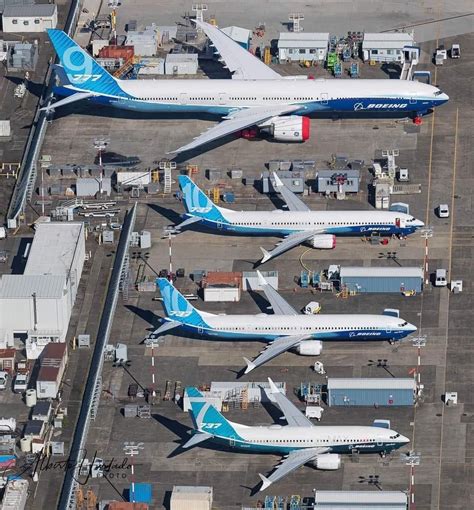
Despite regulatory headwinds, the 737 MAX remains a linchpin in Boeing’s narrowbody strategy. Its consistent production supports global airline fleet renewals and enables Boeing to meet surging demand from both full-service and low-cost carriers. However, any new quality lapse could stall momentum, placing the company at risk of sliding back into crisis mode.
Lingering Safety Woes Challenge Boeing’s Reputation
While the numbers speak of a recovery, Boeing’s reputation continues to bear the scars of recent tragedies. The crash of Air India Flight AI171, a Boeing 787-8, claimed 241 lives and reignited global scrutiny on the aircraft’s safety standards.
Further incidents, such as a United Airlines 787 experiencing a severe pitch-down due to a faulty pilot seat and reports of electrical smoke events on some 737 MAX units, have kept regulators, airlines, and the public on high alert.
In response, Boeing has implemented a leadership shakeup and launched a sweeping review under its new Chief Aerospace Safety Officer. A recent internal report outlined six key safety performance indicators, promising tighter quality control, faster defect tracking, and greater transparency across programs.
Airbus’s Steady Sustainability and Innovation Focus
While Boeing focuses on operational and reputational recovery, Airbus has doubled down on innovation and sustainability. The company is pushing forward with hydrogen-powered aircraft concepts, aiming to enter commercial service by the mid-2030s.
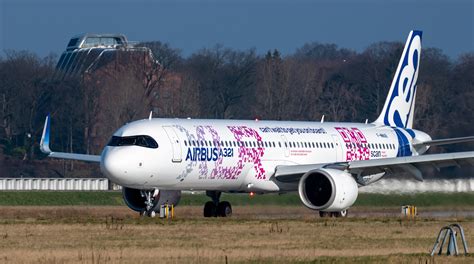
Simultaneously, it is scaling production of the A321XLR, whose extended range appeals to airlines seeking long-haul capability with single-aisle economics. Airbus’s ability to innovate and maintain consistency despite parts shortages reinforces its position as a long-term market leader.
Airline Industry Watches Closely as Fleet Strategies Shift
Beyond manufacturer competition, the delivery battle between Boeing and Airbus has significant implications for global airlines. Fleet renewal plans, network expansion, and route viability are all impacted by aircraft availability and delays.
With rising passenger numbers and demand rebounding across all regions, airlines are scrambling to secure modern, fuel-efficient aircraft. Delays in deliveries can ripple into higher ticket prices, trimmed routes, and reshuffled capacity strategies.
For low-cost carriers relying on high-utilization narrowbodies, delays in 737 MAX or A320neo deliveries can severely disrupt operations. Conversely, long-haul carriers like Qatar Airways or Lufthansa are closely watching widebody availability for their transcontinental ambitions.
Looking Ahead: Boeing’s Opportunities and Obstacles
As the second half of 2025 begins, Boeing faces both a promising trajectory and a precarious balance. The company has proven it can recover production and rekindle demand, but it must now prove that its products are safe, dependable, and sustainably built.
Regulators will continue to watch the 737 MAX and 787 lines closely, while airlines and investors will demand continued transparency and performance. With geopolitical risks still present, especially in Asia, Boeing’s ability to navigate diplomacy will also be critical.
If it can maintain its delivery pace, secure FAA clearance for production increases, and steer clear of new safety controversies, Boeing could close the gap with Airbus and reclaim lost ground in the global aerospace hierarchy.
The race is far from over—but June may well be remembered as the month Boeing finally turned the page.