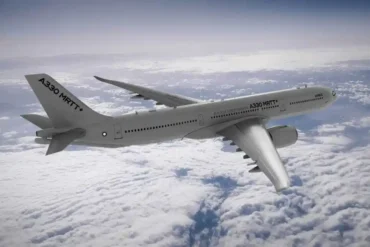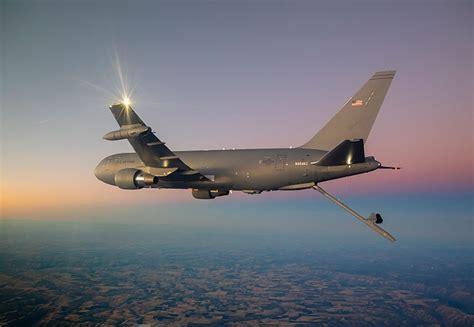
Türkiye stands at a pivotal juncture in redefining its aerial refueling doctrine as it evaluates two of the world’s most capable tanker aircraft: the Boeing KC-46A Pegasus and the Airbus A330 MRTT. This high-stakes decision, now reportedly at the pricing-and-options negotiation stage as of early June 2025, will not only replace Türkiye’s aging fleet of KC-135R Stratotankers but also profoundly influence its strategic posture, alliance orientation, and air power projection capabilities for decades to come.
The End of an Era: Retiring the KC-135R Fleet
For over five decades, Türkiye has relied on a fleet of seven KC-135R tankers based at İncirlik Air Base, a Cold War legacy that now shows signs of critical obsolescence. Originally fielded in the early 1960s and upgraded during the 1980s, the KC-135R tankers have served dutifully but are increasingly misaligned with the demands of fifth-generation warfare and multi-domain operations. With increased focus on long-range strike, unmanned operations, and coalition interoperability, Ankara’s need for a new generation of tanker aircraft is urgent and consequential.
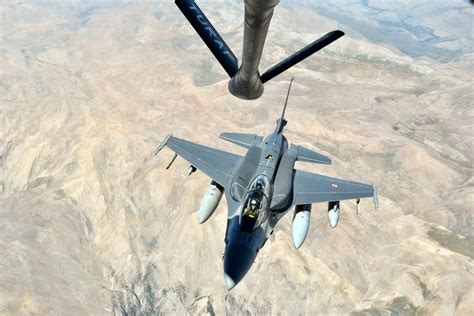
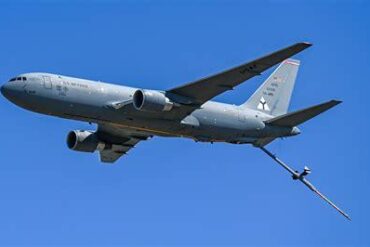
Boeing KC-46A Pegasus: U.S. Interoperability and Modern Avionics
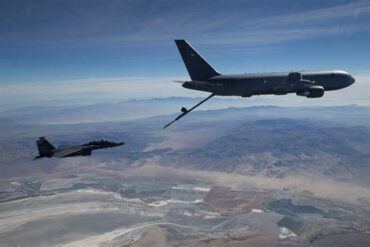
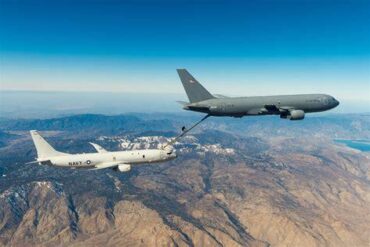
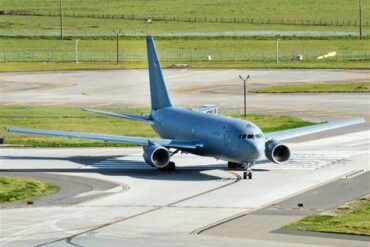
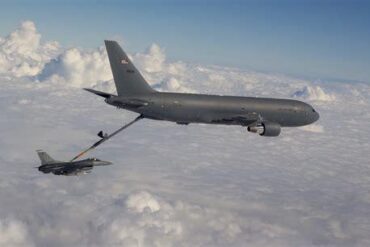
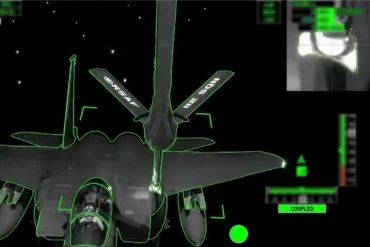
The KC-46A Pegasus, developed by Boeing for the U.S. Air Force, is a purpose-built, combat-hardened aerial refueling platform. With a maximum fuel capacity of 96 tonnes, it supports rapid offloading capabilities—3,600 kg/min via its advanced fly-by-wire boom and 1,300 kg/min via its wing-mounted drogues. Designed with survivability in mind, the KC-46A includes Directional Infrared Counter Measures (DIRCM), EMP shielding, and basic electronic warfare self-protection systems.
In terms of alliance integration, the KC-46A already serves over 20 NATO-compatible platforms, and is currently operated by key allies like Japan and Israel. While the KC-46A’s lack of Eurofighter certification remains a minor drawback, its alignment with U.S. standards makes it a powerful asset for future Indo-Pacific deployments and NATO contingencies.
Airbus A330 MRTT: Payload Supremacy and Modular Adaptability
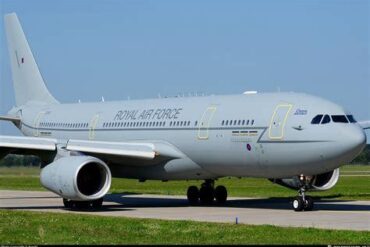
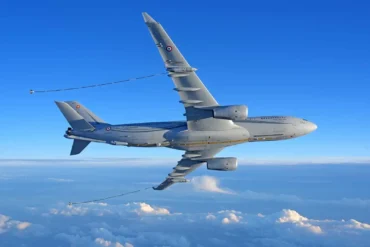
Airbus’s A330 MRTT (Multi Role Tanker Transport) represents a different approach—prioritizing fuel capacity, mission flexibility, and crew comfort. With a fuel load of 111 tonnes, the MRTT outpaces the KC-46A in pure endurance. Its automatic boom system, dual hose-and-drogue pods, and multirole cabin configuration allow for rapid role-switching, from troop transport to medevac missions.
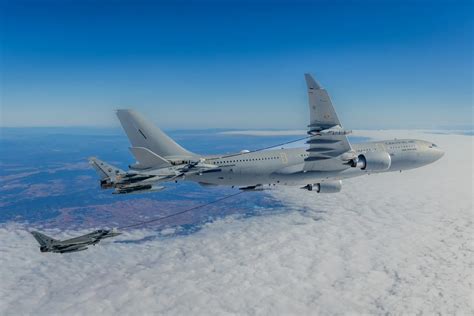
Unlike the KC-46A, the MRTT is already certified for the Eurofighter Typhoon and Airbus A400M Atlas, both critical platforms for potential future Turkish-European defense cooperation. Its cabin, convertible to carry 300 troops or six NATO-standard pallets, offers immense flexibility for humanitarian, logistics, or evacuation missions.
Financial Dimensions: Budget Today vs. Lifecycle Tomorrow
On a per-unit basis, Boeing’s KC-46A appears cheaper. Based on the USAF’s 2024 Lot 11 procurement, each aircraft costs approximately $159 million, potentially bringing an 8-aircraft fleet to $1.3 billion before training and logistics. Conversely, a similar 8-aircraft MRTT fleet would cost roughly €2.0 billion, using Spain’s €675 million deal for three MRTTs (2021–2025) as a benchmark.
However, lifecycle economics challenge this sticker-price perception. Due to its greater offload capacity, two MRTTs can accomplish the same aerial refueling mission as three KC-46As, especially on longer-range operations such as Libya or the Eastern Sahel. Over a projected 25-year lifespan, this could lead to significant operational savings, fleet consolidation, and reduced logistics complexity.
Strategic Implications: Between Washington and Brussels
The tanker selection is not merely a hardware procurement—it’s a geopolitical barometer. Opting for the KC-46A may signal a renewed trust in U.S.–Turkish defense relations, potentially facilitating U.S. Congressional approval for Türkiye’s pending F-16 Block 70 procurement and even smoothing Ankara’s eventual re-entry into the F-35 Joint Strike Fighter program.
Conversely, choosing the A330 MRTT would deepen Türkiye’s alignment with European defense-industrial ecosystems. As Türkiye continues to explore its candidacy in the Eurofighter consortium, selecting the MRTT would reinforce its technical compatibility and operational alignment with partners like Germany, Italy, and Spain—a subtle but powerful nod to Europe-focused strategic autonomy.
Combat Power Multiplier for the Turkish Air Force
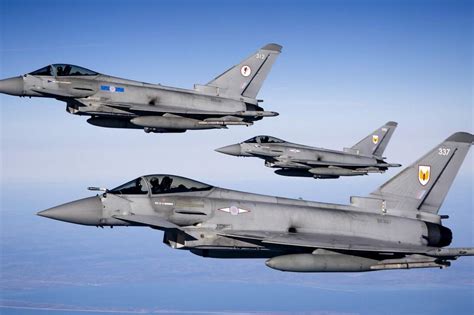
Either aircraft will revolutionize the Turkish Air Force’s mission capability. The current tanker fleet limits sustained operations for fighters like the F-4E/2020 Terminator, F-16C, and emerging unmanned systems. With a new-generation tanker, Türkiye can enable long-range air superiority, persistent ISR, and precision strike missions from the Eastern Mediterranean to the Horn of Africa.
The MRTT’s modular medevac kits and expeditionary configurations particularly suit Türkiye’s growing footprint in humanitarian missions and peacekeeping deployments across Africa and Central Asia. In contrast, the KC-46A’s full-spectrum interoperability with U.S. logistics and command infrastructure makes it a valuable node in any future NATO or coalition deployment.
Industrial Offsets and Defense Ecosystem Integration
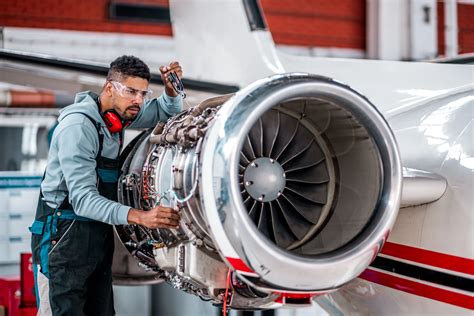
Ankara is also evaluating industrial participation opportunities tied to each offer. Airbus has a long-standing industrial presence in Türkiye, including contributions to A400M production and helicopter assembly lines. A MRTT acquisition could build on this foundation, potentially allowing Turkish Aerospace Industries (TAI) to participate in MRTT+ component manufacturing, especially with the newer Trent 7000-powered variants set to reduce fuel burn by 8%.
Meanwhile, Boeing’s KC-46A package could involve joint logistics hubs, pilot training partnerships, and maintenance facilities, drawing on Türkiye’s experience supporting the Boeing 737 AEW&C Peace Eagle fleet. The broader U.S.-Türkiye industrial rapport, however, has cooled in recent years, raising questions about technology transfer and parts sovereignty.
The Future Battlefronts: Beyond the Aegean
The tanker Ankara selects will directly impact Türkiye’s power projection capability into flashpoints like the Eastern Mediterranean, Red Sea, Sahel, and potentially even the Arctic approaches. With growing interest in drones and loyal wingmen such as the Bayraktar Kızılelma, having a flexible and robust refueling platform is essential.
In peer conflict scenarios, where forward bases may be contested or denied, a longer-legged, efficient tanker becomes a strategic enabler, ensuring air dominance, rapid troop movements, and robust ISR support. Türkiye’s air mobility doctrine will evolve in tandem with the tanker it fields, shifting from Cold War-era paradigms to a network-centric, expeditionary mindset.
Conclusion: A Decision Beyond Fuel and Range
As Türkiye edges closer to a final decision on its next-generation tanker fleet, it faces a choice that spans beyond capability charts. Whether it leans toward the proven interoperability and lower upfront cost of the KC-46A Pegasus, or the fuel-efficient, modular flexibility of the Airbus A330 MRTT, Ankara will also be declaring its strategic orientation, operational philosophy, and industrial ambitions.
This choice will not only elevate the Turkish Air Force into a new operational echelon—it will ripple across NATO, Europe, and the broader Indo-Mediterranean defense ecosystem. For a nation seeking greater geopolitical agency, the aerial refueler it selects may fuel more than its fighters—it may energize its entire national trajectory.