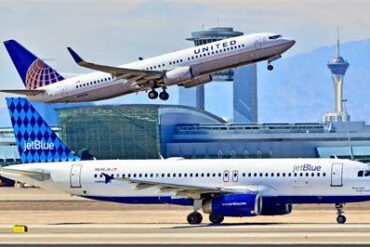
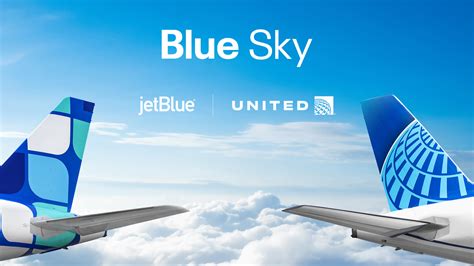
United Airlines has made a historic move by forging a new partnership with JetBlue Airways, addressing what its CEO, Scott Kirby, bluntly acknowledged as the carrier’s largest mistake: exiting New York’s John F. Kennedy International Airport (JFK). This strategic collaboration, branded as the Blue Sky Alliance, not only enables United’s return to JFK but also reshapes the competitive dynamics of East Coast aviation.
The crux of this landmark agreement lies in the slot swap arrangement, wherein United Airlines gains seven daily round-trip slots at JFK, set to commence in 2027. Conversely, JetBlue secures eight round-trip slots at Newark Liberty International Airport (EWR), United’s transatlantic stronghold. This reciprocal exchange allows both airlines to optimize their network presence in the New York metropolitan area, unlocking lucrative routes and capturing a broader segment of the Northeast corridor’s air travel market.
Why JFK Was United’s Critical Blindspot
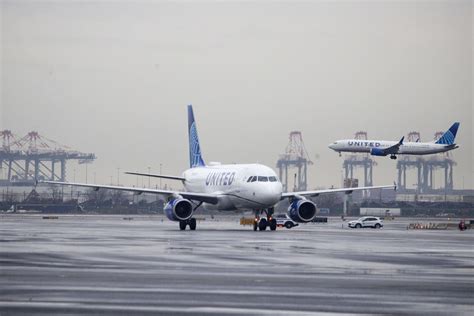
For United Airlines, pulling out of JFK in 2015 was a move rooted in short-term optimization but long-term strategic miscalculation. The airline shifted focus towards Newark Liberty, 12 miles from downtown Manhattan, to consolidate transcontinental flights. However, this left JFK — a hub preferred by international and premium business travelers — to competitors like Delta Air Lines and American Airlines. The result: United lost corporate clients and high-yield passengers who favored JFK’s extensive domestic and global connectivity.
United’s brief return to JFK in 2021 during the pandemic was hamstrung by temporary slot access and operational constraints. Persistent air traffic control staffing shortages and worsening congestion at Newark highlighted the necessity for a durable solution — one now delivered through JetBlue’s established JFK presence.
JetBlue’s Strategic Gains at Newark
While United fortifies its foothold at JFK, JetBlue gains pivotal advantages at Newark. With eight new round-trip slots, JetBlue expands its East Coast operations from a second critical New York hub, allowing it to serve major U.S. cities directly from Newark. This bolsters JetBlue’s reach without sacrificing its dominant position at JFK.
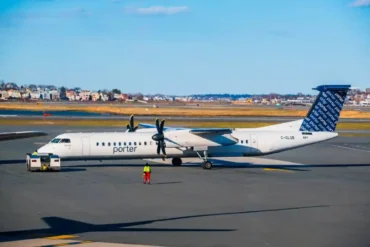
JetBlue’s CEO emphasized this agreement as a “bold step”, allowing the airline to scale its network while retaining independence. JetBlue continues to capitalize on its robust Northeast presence, particularly in Boston Logan International Airport (BOS) and Florida markets, complementing United’s global network to Europe, Asia, and beyond.
Unlocking Nationwide Connectivity for Passengers
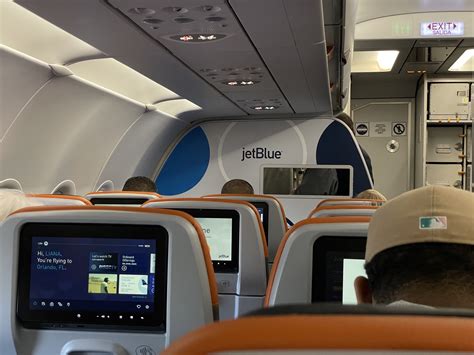
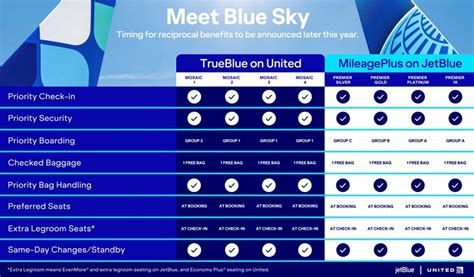
Perhaps the most immediate benefit of the Blue Sky Alliance will be seen by passengers. The partnership facilitates codeshare flights, reciprocal frequent-flyer benefits, and seamless booking options:
- United’s MileagePlus members and JetBlue’s TrueBlue members will earn and redeem miles across both carriers.
- Elite members will enjoy perks like priority boarding, preferred seating, lounge access, and free checked baggage.
- Both airlines’ flights will appear on each other’s booking platforms, simplifying ticketing and itinerary management.
United customers gain enhanced access to JetBlue’s extensive Caribbean and Latin America network, while JetBlue passengers tap into United’s sprawling domestic and international routes, including United’s strong presence in Europe and recently launched flights to Nuuk, Greenland.
Redefining Market Dynamics in New York and Boston
Beyond JFK and Newark, this partnership positions United and JetBlue as the dominant players across New York and Boston. The combined network offers more options than either American Airlines or Delta Air Lines can individually match. For JetBlue, this partnership helps recover ground lost following the collapse of its Northeast Alliance with American Airlines, which was dismantled after regulatory intervention.
Both airlines can now:
- Offer expanded flight frequencies across the Northeast.
- Enhance service between New England, the Mid-Atlantic, and Florida.
- Compete more aggressively in the lucrative corporate travel market.
The strategic realignment through Blue Sky allows both carriers to mitigate past weaknesses and leverage each other’s geographic strengths without resorting to full-scale mergers or acquisitions.
United’s Return to JFK: What to Expect by 2027
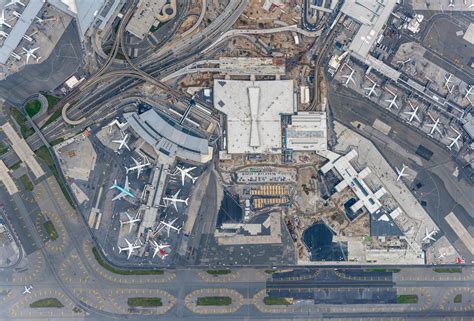
United’s reentry to JFK marks a full-circle moment for the airline. While it has yet to disclose the exact destinations it will serve upon resuming operations, historical patterns suggest a return of premium transcontinental routes to Los Angeles International Airport (LAX) and San Francisco International Airport (SFO). These routes cater to business travelers and high-yield leisure traffic, markets United previously surrendered to Delta and American at JFK.
Furthermore, operating from JFK will relieve congestion at Newark, United’s transatlantic launchpad, which is increasingly strained by operational bottlenecks and infrastructure limitations.
Why This Partnership Is Not a Merger
Importantly, the Blue Sky Alliance is not a merger. United and JetBlue will remain distinct airlines, each with independent branding, fleet management, and corporate strategies. The alliance is purely commercial and operational, designed to amplify network reach and enhance service quality without eliminating competition.
This separation avoids regulatory scrutiny over potential monopolistic behavior, which doomed JetBlue’s previous Northeast Alliance with American Airlines. Instead, Blue Sky focuses on customer-centric benefits while retaining competitive independence.
The Future of the Blue Sky Alliance
Set for a phased rollout beginning later this year, the partnership is pending final regulatory approval. Once in effect, passengers will experience immediate advantages in terms of expanded flight options and integrated loyalty programs. In parallel, United’s physical return to JFK, scheduled for 2027, will restore its long-absent presence in one of the world’s most critical aviation markets.
In essence, the Blue Sky Alliance represents a decisive correction of past strategic errors by United Airlines. By collaborating with JetBlue, United not only reclaims its competitive edge in New York but also enhances its national and global footprint — signaling a new era in U.S. aviation alliances.
As Scott Kirby admitted, abandoning JFK was United’s largest mistake. With this transformative partnership, that mistake is finally being repaired — and the airline’s strategic future in New York secured.