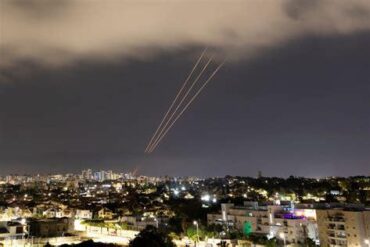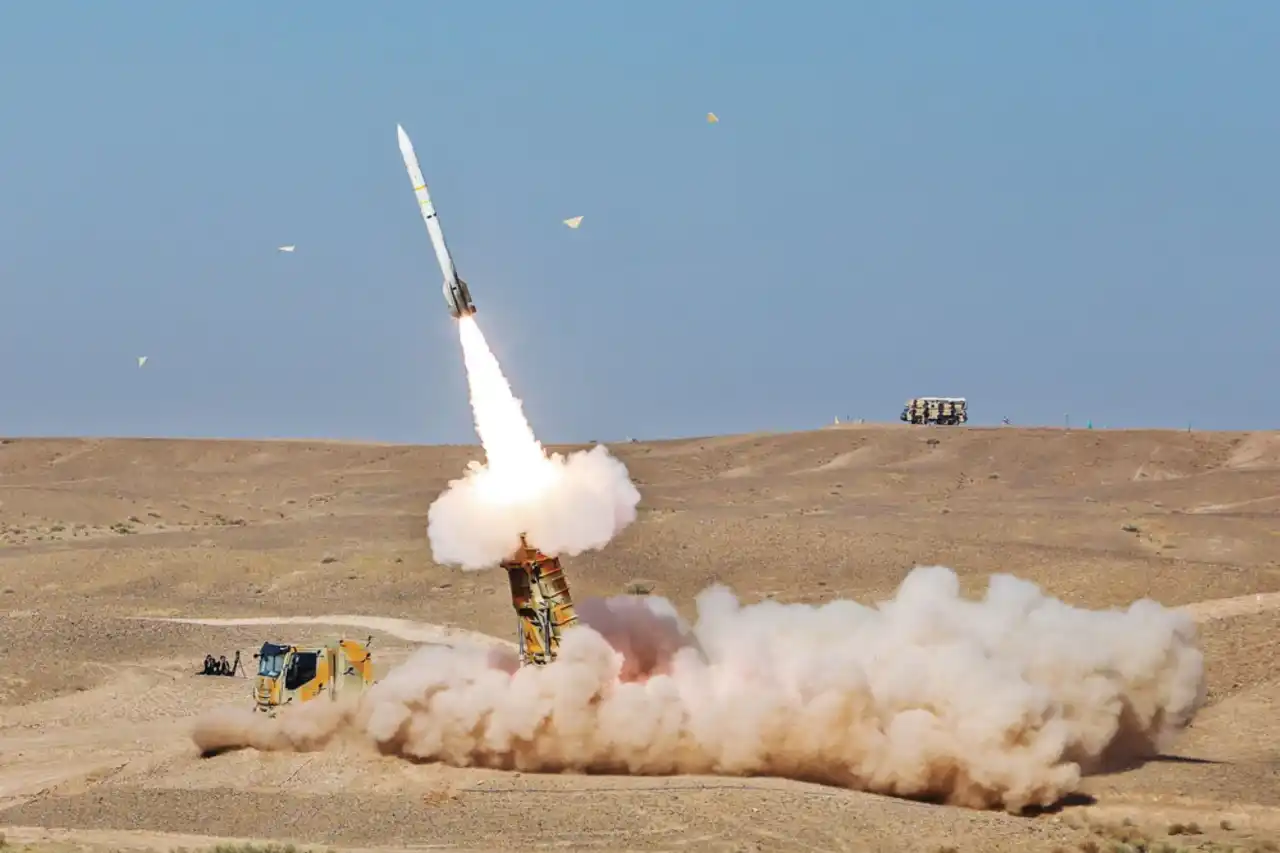
Iran’s skies lit up on the night of January 5, 2026, as air defense exercises conducted by the Islamic Revolutionary Guard Corps (IRGC) stretched across key urban centers including Tehran, Shiraz, and Maragheh. The sudden spectacle of tracer fire and explosive detonations reverberated through the air, captured widely on social media and examined with growing concern by regional observers. Though no official acknowledgment has emerged from Iranian authorities, the breadth and intensity of the activity point to a deliberate and calculated demonstration of military readiness.
The Scale and Visibility of the Drills
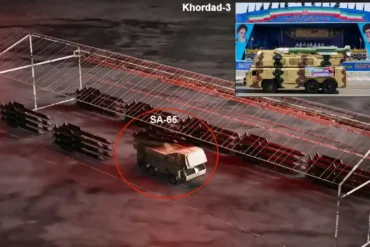
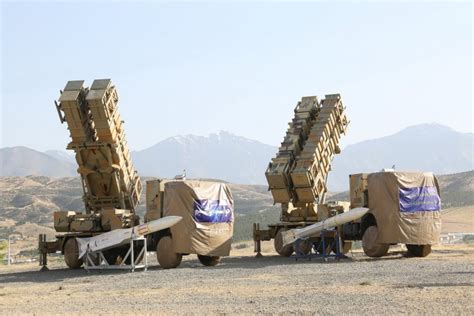
Unlike routine tests conducted in remote desert ranges, this recent exercise took place directly above dense population centers, suggesting not only technical drills but also strategic signaling. Eyewitness footage shows widespread anti-aircraft fire, suggesting the use of short-range surface-to-air systems such as the Khordad-series and dual-purpose gun-missile platforms. These systems are specifically configured for low-altitude threats, including drones and cruise missiles—an area where Iran has historically focused due to the increasing use of unmanned aerial vehicles by adversaries.
According to Persian-language media like Namehnews and Eghtesadonline, detonations were consistent with defensive interceptions rather than outbound ballistic missile launches. Video footage, though unverified, shows simultaneous operations in western Tehran, Shiraz, and northwestern Iran, indicating multi-zone coordination likely involving multiple IRGC brigades.
Strategic Timing Amid Heightened Tensions
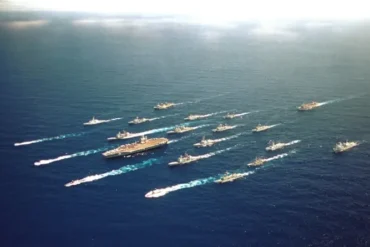
This show of force comes as tensions between Iran, Israel, and the United States are nearing a breaking point. Israeli news outlets have speculated that the drills may be a preparatory step for offensive operations, though no credible evidence has emerged to validate such claims. Still, the choice to execute high-visibility drills now is far from accidental. The geopolitical context is loaded: ongoing U.S. military deployments in the Gulf, Israeli air operations across the region, and continued Iranian proxy activity in Lebanon, Syria, and Iraq form a dense web of escalating friction.
Adding to the gravity, banners appeared across Tehran in early January, showcasing pointed warnings. One banner, allegedly displayed near major intersections, carried the slogan: “It Will Happen Again”—a direct reference to previous missile strikes against U.S. and Israeli targets. Several banners also depicted U.S. bases in Qatar, making the external target audience unmistakable.
Domestic Unrest: Dual Messaging in the Skies
Iran’s decision to conduct these exercises over major cities cannot be separated from its internal crisis. The country is in the eighth day of widespread protests, sparked by long-simmering grievances over economic hardships, political repression, and social restrictions. With at least 17 protesters reported killed, and internet blackouts affecting regions with intense unrest, the regime is facing one of its most serious challenges since 2009.
The military maneuvers, viewed against this backdrop, serve a dual purpose. First, they aim to project strength to a domestic audience increasingly disillusioned with the regime’s grip on power. Second, they signal to international observers—particularly Washington and Tel Aviv—that Iran’s leadership remains resolute and prepared, despite internal fissures.
President Masoud Pezeshkian, known for his relatively moderate stance, surprised many by calling for restraint in dealing with protesters. In contrast, IRGC and security hardliners have taken an unyielding tone. On January 2, Iran’s security chief Ali Larijani accused the United States of fomenting unrest and issued a chilling warning: “Be mindful of your soldiers’ safety.” The remark linked internal instability with the potential for external retaliation, blurring the line between domestic policy and foreign threat posturing.
IRGC Doctrine and Military Messaging
From a doctrinal perspective, the Iranian military’s emphasis on layered, urban-integrated air defense has evolved significantly since the U.S. drone strike that killed Qassem Soleimani in 2020. The Khordad-3 and 15 systems, often central to these exercises, can track and engage multiple targets with precision. By moving such exercises into city airspace, the IRGC both tests real-world responsiveness and demonstrates survivability under pressure.
In previous years, Iran has held war games like “Defenders of Velayat Sky” in remote provinces. The shift to high-profile urban drills suggests a new phase in military signaling—one where the lines between military preparation and psychological operations are purposefully blurred. This new posture is calibrated to deter foreign intervention while reinforcing internal discipline through visible force.
International Reactions and Intelligence Concerns
Israeli military analysts have followed the developments closely. Though no missile launches were detected toward foreign targets, the visibility of anti-aircraft operations has raised alarms about Iran’s current threat posture. Intelligence services in Tel Aviv and Washington are believed to be reassessing the possibility of preemptive action by Iran or its proxies, especially amid heightened activities by Hezbollah and Shiite militias in Iraq.
Western media outlets remain cautious. The lack of an official statement from Tehran has made conclusive interpretation difficult. However, former U.S. intelligence officials have suggested the drills were strategic in nature, not merely reactive. The precision, timing, and spread across multiple cities hint at pre-scripted escalation planning rather than ad hoc readiness checks.
A Calculated Balance of Power
The simultaneous projection of internal security authority and external deterrence capability reflects a long-standing IRGC strategy: manage domestic unrest with an iron fist while keeping adversaries guessing about Tehran’s red lines. The air defense drills, under this lens, are part of a broader chessboard strategy that fuses military readiness with psychological dominance.
Whether these maneuvers signal imminent conflict or calibrated bluff, the takeaway is unambiguous: Iran is prepared to confront threats on multiple fronts simultaneously. The regime is using every available tool—from banners and state media to live fire exercises—to shape the perception of power, both at home and abroad.
Looking Ahead
As January progresses, all eyes will remain fixed on Iran’s next moves. With domestic protests deepening, regional alliances shifting, and foreign troops within range, the margin for miscalculation is vanishingly thin. The Iranian government has, for now, chosen the sky as its stage. What follows may determine whether the region edges toward de-escalation—or slides further into the abyss of confrontation.