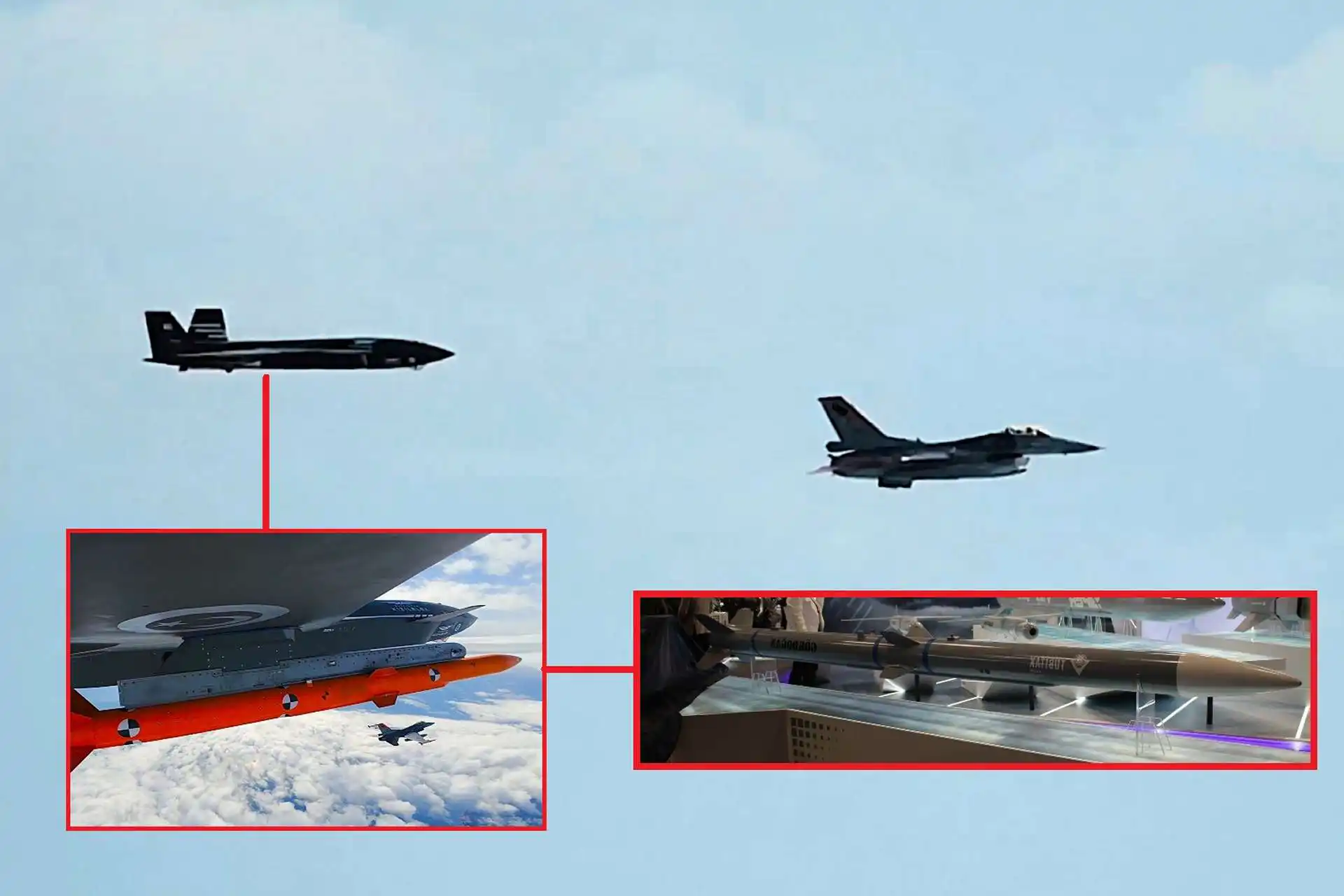
In a remarkable demonstration of next-generation aerial warfare capabilities, Turkey’s Bayraktar Kızılelma unmanned combat aerial vehicle (UCAV) has reportedly simulated a successful shootdown of an F-16 fighter jet during a complex test scenario, marking a significant leap in the country’s indigenous defense technology.
Launched from the AKINCI Flight Training and Test Center in Çorlu, Tekirdağ, the Kızılelma soared through Turkish airspace for 1 hour and 45 minutes at an average altitude of 15,000 feet. This mission brought the drone’s cumulative flight time past 55 hours, underscoring its rapidly advancing test program and combat readiness.
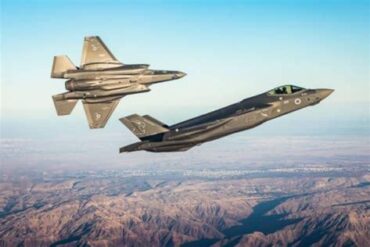
The test—officially titled the “Bayraktar KIZILELMA – GÖKDOĞAN Armed Flight and MURAD AESA Radar Performance Test”—involved two Turkish Air Force F-16s. One of the jets flew in close formation with the UCAV, verifying seamless manned-unmanned teaming, while the second jet acted as the “enemy” target. This complex formation allowed Kızılelma to showcase not only its autonomous control systems but also its ability to cooperate with legacy fighter platforms in a networked battlefield.
Precision Lock and Simulated Kill with Indigenous Radar & Missiles
At the heart of this simulated engagement was ASELSAN’s MURAD Active Electronically Scanned Array (AESA) radar, a homegrown marvel that represents the pinnacle of Turkish radar technology. Operating in real-world conditions, MURAD locked onto the fast-moving F-16 at a standoff distance of 30 miles, highlighting its exceptional target acquisition and tracking capabilities in air-to-air scenarios.
Once the radar established lock, Kızılelma simulated the launch of the Gökdoğan beyond-visual-range (BVR) air-to-air missile, developed by TÜBİTAK SAGE. Although the launch was virtual, it incorporated complete command and control procedures, including real-time target data transmission. The Gökdoğan received live coordinates, speed vectors, and positional metadata via a secure, high-throughput data link—culminating in a simulated direct hit on the F-16, validating the efficacy of the integrated sensor-to-shooter loop.
A Drone That Hunts Fighters: Kızılelma’s Battlefield Edge
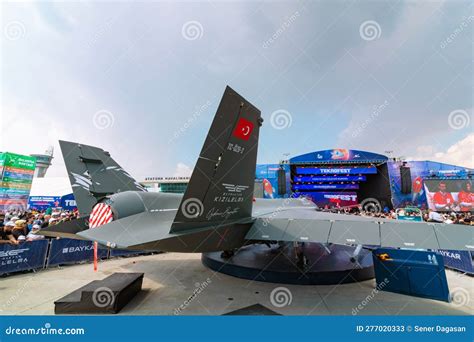
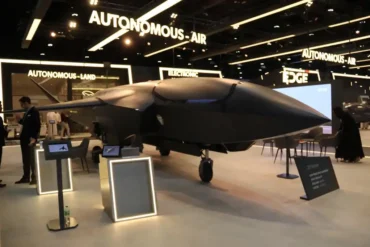
Unlike conventional drones that primarily engage in surveillance or ground strike roles, Kızılelma is envisioned as a fighter-class UCAV, designed to take on enemy aircraft head-to-head. It features:
- Low-observable stealth shaping, reducing radar cross-section
- AI-assisted flight autonomy for dynamic maneuvering
- Supercruise capability, enabling high-speed travel without afterburners
- Payload compatibility with advanced air-to-air and air-to-ground munitions
These features position Kızılelma to not only penetrate contested airspace but also to deliver precision strikes on high-value assets like enemy fighters, AWACS, and SAM systems, revolutionizing drone warfare as we know it.
Turkey’s Strategic Message to the World
This simulation comes at a time when nations are fiercely competing for air dominance in the next era of warfare. By demonstrating the capability to “shoot down” an F-16—a jet still in wide use globally—Turkey is sending a calculated message: its indigenous defense industry is capable of producing autonomous platforms that rival Western fifth-generation aircraft.
Selçuk Bayraktar, the CTO of Baykar and visionary behind the Kızılelma project, previously emphasized this ambition. He stated that the supersonic variant of Kızılelma would eventually surpass even the American F-35 Lightning II in several respects. “Kizilelma will revolutionize aviation; it can be used in aerial combat against classic combat aircraft… When it is fully ready, it will surpass the same F-35 in several respects,” Bayraktar boldly claimed.
What Lies Ahead: Expanding Strike Reach & Tactical Doctrine
Kızılelma’s roadmap doesn’t stop at air-to-air combat. Future variants are expected to integrate SOM cruise missiles, dramatically extending the drone’s strike radius to over 1,000 kilometers. This would enable deep penetration strikes, far beyond the reach of conventional UCAVs.
The success of this simulation also underpins a broader doctrinal shift for the Turkish Air Force, which is rapidly embracing manned-unmanned teaming and AI-driven operations. Kızılelma is poised to become a keystone asset in this evolving strategy, combining lethality, survivability, and autonomy in one agile platform.
In summary, the simulated F-16 shootdown was more than just a test—it was a declaration of technological maturity and tactical evolution. With Kızılelma, Turkey has not only joined the exclusive club of UCAV developers capable of dogfighting with jets—it may have just redefined the rules of air combat for decades to come.