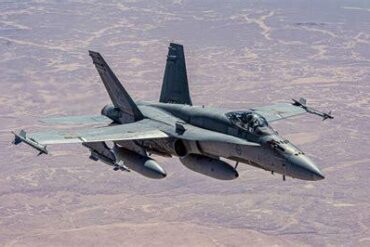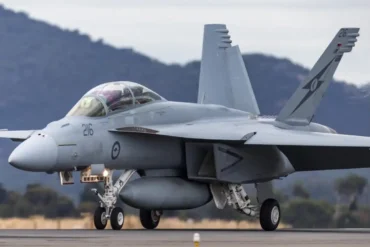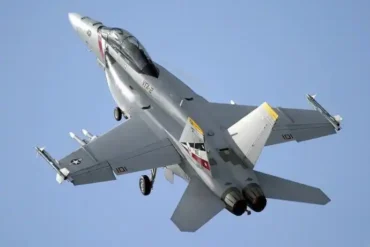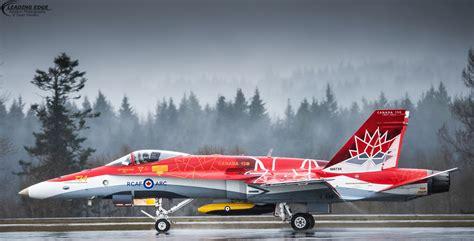
The Royal Canadian Air Force (RCAF) has operated numerous aircraft types over the decades, ranging from Cold War interceptors to modern surveillance and transport platforms. Yet when discussing the fighter jet that most clearly defines Canadian air power, one aircraft stands above the rest: the CF-18 Hornet, officially designated the CF-188. For more than forty years, this versatile multirole fighter has served as the backbone of Canada’s combat aviation capability, guarding vast northern airspace while also participating in international operations.
Understanding why the CF-18 Hornet remains the most popular fighter jet in the Royal Canadian Air Force requires more than simply looking at numbers. The aircraft’s long service life, operational flexibility, and role in shaping Canadian air defense policy have elevated it into something far greater than a typical military platform. It has become an enduring symbol of Canada’s modern air combat power.
Today, even as Canada prepares to transition toward the F-35 Lightning II, the CF-18 continues to carry out critical missions. From NORAD sovereignty patrols to expeditionary deployments abroad, the Hornet remains a central pillar of the nation’s air defense structure.
The CF-18 Hornet: Canada’s Defining Fighter Aircraft
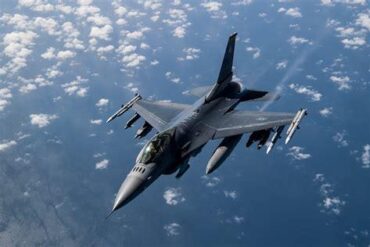
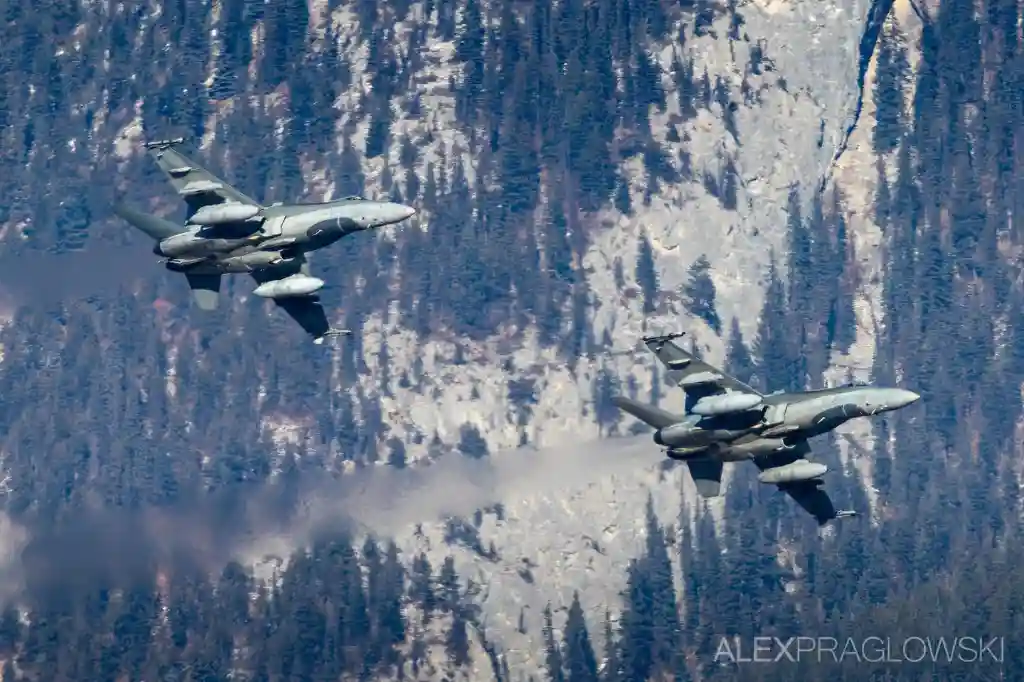
When Canada selected the McDonnell Douglas F/A-18 Hornet in the late 1970s, the decision marked a turning point in the nation’s fighter aviation history. The aircraft was adopted as the CF-188, though pilots, engineers, and aviation enthusiasts almost universally refer to it as the CF-18.
The choice was driven by Canada’s need for a multirole fighter capable of performing several missions without requiring multiple specialized aircraft types. This flexibility was essential for a country with enormous territory but relatively limited defense budgets.
The CF-18 offered exactly that balance. It could perform:
- Air defense and interception
- Air superiority combat
- Ground attack and close air support
- Tactical reconnaissance
- Training and demonstration flights
Unlike earlier fighters designed primarily for air-to-air combat, the Hornet was built as a true multirole platform, capable of shifting between mission types during the same deployment. For Canada’s operational needs—protecting vast borders while supporting NATO commitments abroad—this versatility proved invaluable.
Over time, the aircraft became synonymous with Canadian fighter operations. Generations of RCAF pilots trained on the CF-18, and the aircraft’s distinctive twin-engine profile has appeared at airshows across the country since the early 1980s.
The Role of the Royal Canadian Air Force in National Defense
To appreciate the significance of the CF-18, it helps to understand the broader mission of the Royal Canadian Air Force. Unlike some air forces that focus primarily on combat operations, the RCAF manages a wide spectrum of aviation responsibilities.
Canada’s geography demands a particularly diverse fleet. The country spans nearly 10 million square kilometers, stretching deep into the Arctic. Monitoring and defending this territory requires aircraft capable of surveillance, transport, rescue, and combat operations.
The RCAF therefore operates a mix of aircraft including:
- CF-188 Hornet fighter jets
- CP-140 Aurora maritime patrol aircraft
- CC-130J Hercules tactical transports
- CC-177 Globemaster III strategic airlifters
- CH-148 Cyclone maritime helicopters
- CH-147F Chinook heavy-lift helicopters
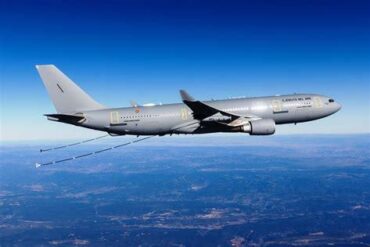
- CC-330 Husky tanker-transport aircraft
This wide range of platforms allows Canada to perform missions such as Arctic sovereignty patrols, search-and-rescue operations, NATO deployments, and domestic disaster response.
Despite this diversity, fighters remain the most visible expression of national air defense. When unidentified aircraft approach North American airspace or when NATO operations require rapid response, CF-18 Hornets are often the first assets called into action.
Canadian Fighter Operations and NORAD Responsibilities
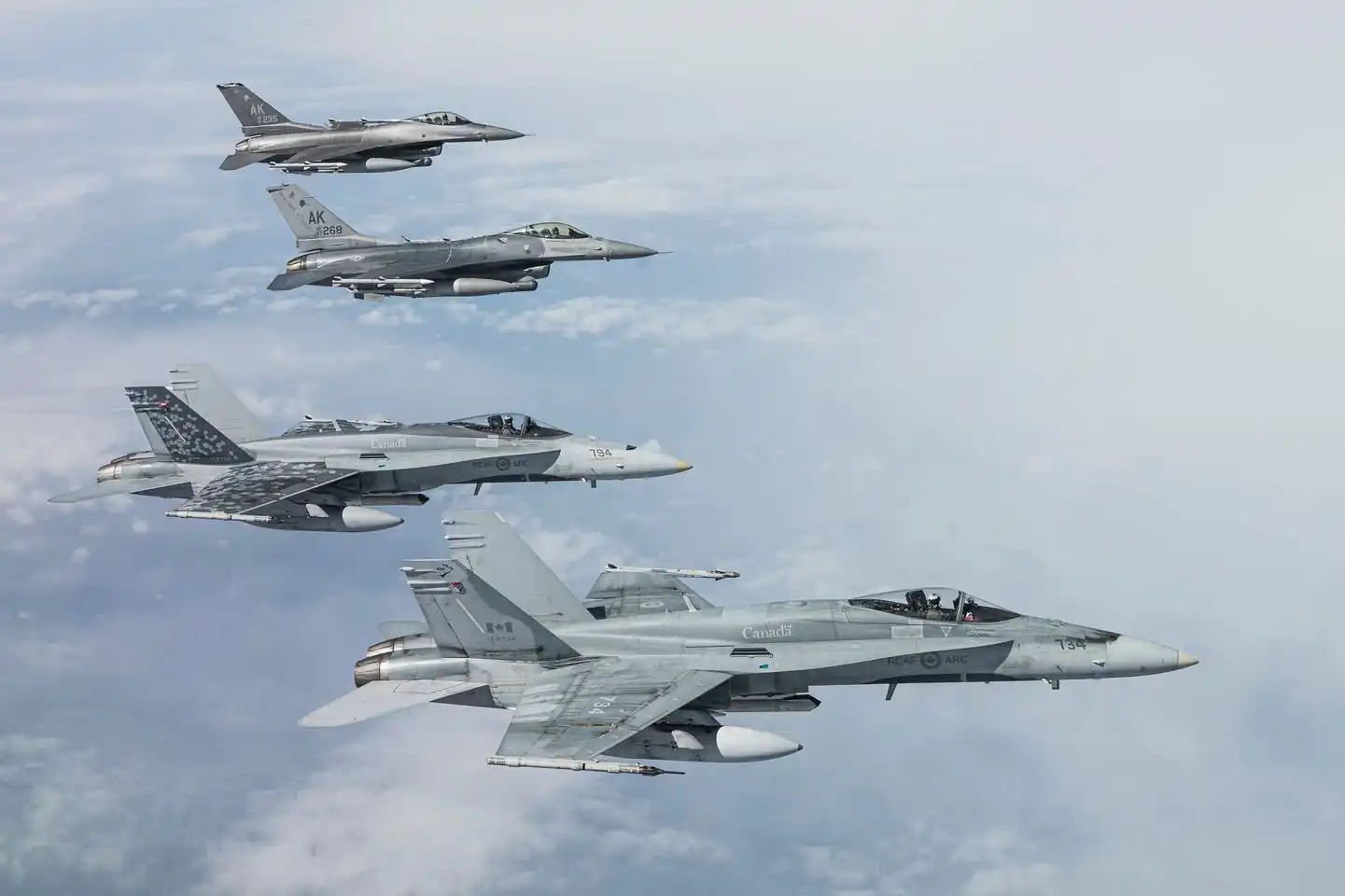
Canadian fighter operations are deeply integrated into the North American Aerospace Defense Command (NORAD), a joint defense partnership between Canada and the United States. NORAD monitors the skies over North America and coordinates responses to potential threats.
Within this system, the CF-18 Hornet fleet maintains a constant state of readiness, with aircraft prepared to scramble at a moment’s notice.
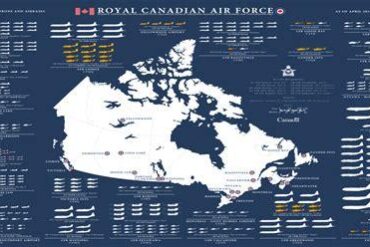
The RCAF’s primary fighter bases are:
- 4 Wing Cold Lake, Alberta
- 3 Wing Bagotville, Quebec
These installations serve different but complementary roles. Cold Lake functions as the central training hub for Canadian fighter pilots, while Bagotville focuses heavily on operational deployments and sovereignty missions.
Beyond these bases, Canada also maintains forward operating locations in the Arctic, including Yellowknife, Inuvik, and Iqaluit. These sites allow fighter aircraft to deploy quickly across northern regions, significantly reducing response times during airspace incidents.
The strategic logic is straightforward: when defending a country that spans several time zones, aircraft must be capable of rapid interception across vast distances. The CF-18’s range, speed, and reliability make it well suited to this task.
Capabilities of the CF-18 Hornet
Although the CF-18 first entered Canadian service in the early 1980s, it remains a capable combat aircraft thanks to continuous upgrades and modernization programs.
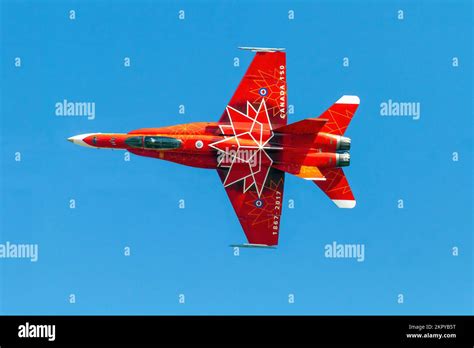
At its core, the Hornet is a twin-engine supersonic fighter designed for high maneuverability and multirole performance. Some of its key technical characteristics include:
- Top speed: approximately Mach 1.8
- Twin General Electric F404 engines
- Carrier-derived rugged airframe
- Advanced radar and targeting systems
- Ability to carry a wide variety of missiles and precision-guided bombs
Canada’s version of the Hornet includes several unique modifications. One of the most recognizable is a spotlight mounted near the cockpit, used to visually identify aircraft intercepted during NORAD missions.
This seemingly simple addition illustrates an important reality of air defense operations. Intercepting unidentified aircraft often involves confirming their identity rather than engaging them in combat. The spotlight allows pilots to safely inspect aircraft at night without escalating tensions.
Modernization programs have also upgraded the CF-18’s avionics, radar systems, and weapons compatibility. These improvements ensure the aircraft remains capable of operating alongside modern allied forces despite its age.
Combat History of Canada’s CF-18 Fleet
The operational history of the CF-18 Hornet plays a major role in its reputation as Canada’s most important fighter aircraft. Since entering service, the jet has participated in numerous international military operations.
Canada’s first major CF-18 combat deployment occurred during the 1991 Gulf War, when the country deployed 24 Hornets to Qatar as part of the coalition effort to liberate Kuwait.
The aircraft later participated in NATO missions in the Balkans, including the Kosovo air campaign, flying combat sorties from bases in Italy.
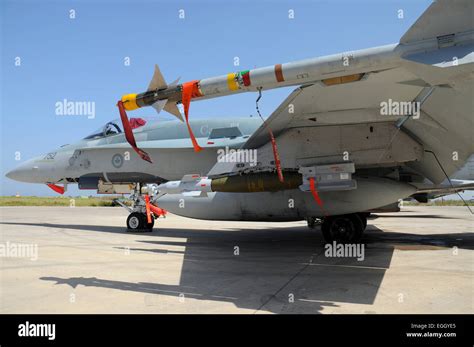
One of the most significant chapters in the Hornet’s history came during Operation Mobile in Libya in 2011.
During this campaign:
- Seven Canadian CF-18s flew more than 900 combat missions
- They conducted roughly 10% of NATO’s total strike sorties
- Nearly 700 precision bombs were dropped against military targets
These numbers highlight the operational effectiveness of the aircraft despite Canada’s relatively small fighter fleet.
The CF-18 was also heavily involved in Operation Impact, Canada’s contribution to the fight against militant groups in Iraq and Syria. Between 2014 and 2016, Canadian Hornets flew approximately 1,400 sorties and conducted 251 airstrikes.
Through these deployments, the CF-18 proved capable of operating in complex coalition environments alongside advanced allied aircraft.
Extending the Life of the Hornet
Given the aircraft’s age, maintaining the CF-18 fleet has required extensive modernization efforts. Canada launched the Hornet Extension Project to ensure the fighters remain operational until the arrival of their successor.
This program includes upgrades to:
- Radar systems
- Mission computers
- Cockpit displays
- Weapons integration
- Structural components
The goal is to keep the CF-18 combat-ready until approximately 2032, allowing Canada to maintain a capable fighter force while transitioning to its next-generation aircraft.
The extension program illustrates an interesting principle of military technology. Advanced aircraft are rarely replaced overnight. Instead, they often remain in service for decades through incremental upgrades, gradually evolving as technology advances.
Canada’s Future Fighter: The F-35 Lightning II
While the CF-18 continues to serve as Canada’s primary fighter, the country has already chosen its replacement: the Lockheed Martin F-35 Lightning II.
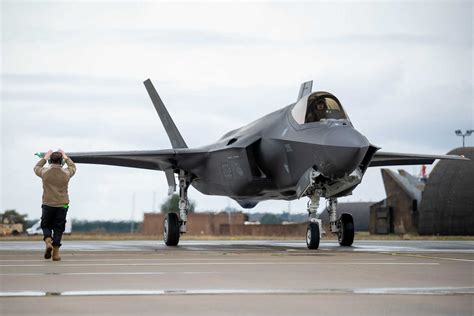
Under the Future Fighter Capability Project, Canada plans to acquire 88 F-35A stealth fighters. The first aircraft are expected to be delivered to Luke Air Force Base in Arizona in 2026, where Canadian pilots will begin training.
According to current plans:
- The first operational aircraft could arrive in Canada around 2028
- Initial operational capability is expected by 2030
- Full fleet integration may occur by 2033–2034
The F-35 represents a dramatic technological leap compared with the CF-18. Unlike traditional fighters that rely primarily on radar and pilot awareness, the F-35 functions as a networked combat system.
Key advantages include:
- Stealth design reducing radar visibility
- Sensor fusion that combines data from multiple sources
- Advanced electronic warfare capabilities
- Secure data sharing with allied forces
For Canada, these capabilities are particularly valuable because the country rarely conducts military operations alone. Most missions occur within coalition frameworks such as NORAD or NATO, where information sharing and interoperability are crucial.
Why the CF-18 Remains Canada’s Most Popular Fighter
Even with the arrival of the F-35 on the horizon, the CF-18 remains the most popular fighter jet in the Royal Canadian Air Force. Popularity in this context is not simply about public recognition—it reflects operational importance, longevity, and cultural impact.
Several factors explain the aircraft’s enduring status.
First is service longevity. The CF-18 has protected Canadian airspace for over four decades, making it the longest-serving frontline fighter in the country’s history.
Second is operational versatility. The Hornet can perform air defense, ground attack, reconnaissance, and training roles without requiring separate specialized aircraft.
Third is combat credibility. The aircraft has been tested repeatedly in real operations, from the Gulf War to modern counterterrorism campaigns.
Finally, the CF-18 has become a symbol of Canadian aviation culture. Its appearances at airshows and public demonstrations have made it one of the most recognizable military aircraft in the country.
The Transition from Fourth-Generation to Fifth-Generation Air Combat
The transition from the CF-18 to the F-35 reflects a broader shift in military aviation. The Hornet represents the fourth generation of fighter aircraft, characterized by high maneuverability, advanced radar, and multirole capability.
The F-35 belongs to the fifth generation, defined by stealth technology, sensor integration, and network-centric warfare.
In practical terms, this means future fighters will rely less on raw speed and dogfighting ability and more on information dominance—the ability to detect threats earlier, share data with allies, and strike targets before the enemy even realizes they are present.
Canada’s adoption of the F-35 therefore signals not just a fleet replacement but a transformation in how the country conducts air warfare.
The Enduring Legacy of the CF-18 Hornet
Despite the coming technological shift, the CF-18 Hornet’s legacy in Canadian aviation history is secure. For decades, it has served as the guardian of Canadian skies, the spearhead of international deployments, and the aircraft that defined the modern Royal Canadian Air Force.
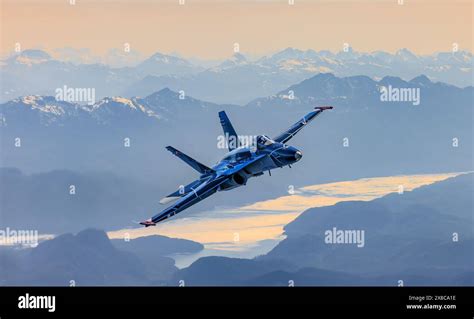
Its success demonstrates an important truth about military aviation: the most influential aircraft are not always the newest or most technologically advanced. Often, the platforms that matter most are those that combine reliability, versatility, and long-term operational relevance.
The CF-18 embodies all three qualities. Even as the RCAF prepares to enter the era of stealth fighters, the Hornet remains the aircraft that built Canada’s modern fighter tradition—and the one that continues to defend the nation’s skies today.