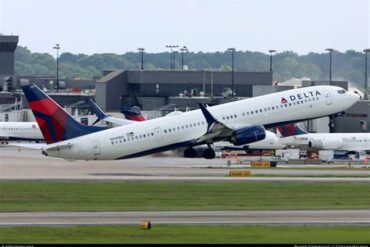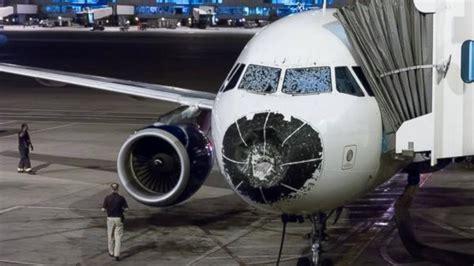
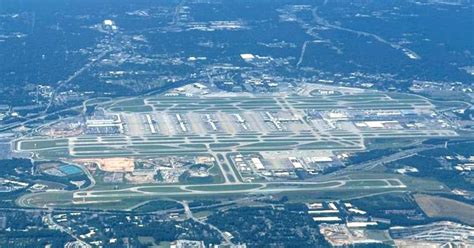
On the night of June 27, 2025, a powerful and unexpected storm ripped through Atlanta’s Hartsfield-Jackson International Airport (ATL), leaving a trail of operational chaos in its wake. As the busiest airport in the United States and the primary hub for Delta Air Lines, the impact of the storm was felt far beyond the city’s boundaries, rippling across Delta’s entire domestic and international network.
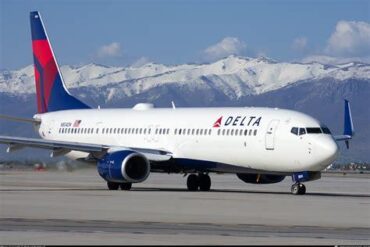
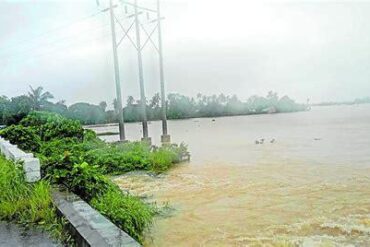
The intense hailstorm, accompanied by heavy rains, flooding, and dangerously high winds, forced Delta to take immediate action by grounding more than 100 aircraft for urgent inspections. These inspections, carried out through the night by emergency response and maintenance crews, were critical in determining the extent of potential hail damage on fuselages, engines, and flight control surfaces.
The Storm’s Ferocity and Immediate Consequences
Weather forecasts had warned of isolated thunderstorms across Georgia, but few could have predicted the sheer force of the system that arrived just after sunset. As rain turned to marble-sized hail, the skies above ATL resembled a war zone. Aircraft on the ramp were pelted, jetways were rendered temporarily inoperable, and lightning activity forced multiple ground stops.
The situation escalated when the control tower at ATL had to be evacuated for 79 minutes, from 7:11 PM to 8:30 PM. Such evacuations are exceedingly rare and indicate the severity of the atmospheric conditions. During this time, air traffic operations were halted, leading to a cascading backlog of departures and arrivals. Multiple aircraft were forced into holding patterns or diverted to nearby airports, including Birmingham, Nashville, and Charlotte.
The storm’s physical force wasn’t its only damaging element—it was its timing. The 7 PM to 9 PM window is among the busiest for Delta operations out of Atlanta, with hundreds of flights scheduled to connect passengers across North America, Europe, and Latin America.
Aircraft Inspections and Grounding: A Logistics Nightmare
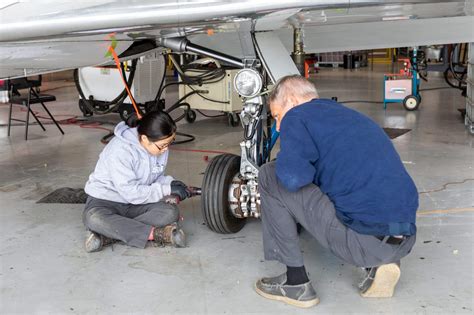
Delta’s decision to pull over 100 aircraft from service for inspection was not only prudent but essential. Aircraft hail damage, though sometimes superficial, can compromise safety-critical systems, especially on the wings, radomes, and engines. Crews worked overnight under floodlights, scouring fuselages for telltale dents, cracks, or disruptions to composite panels.
Maintenance teams followed Federal Aviation Administration (FAA) guidelines for post-hailstorm inspection protocols, which include:
- Surface skin integrity checks for each airframe
- Radar dome (radome) fracture scans
- Engine inlet and fan blade visual inspections
- Pitot tube and static port assessments
- Windshield and canopy evaluations
While Delta confirmed that all inspections were completed by the morning of June 28, many of the affected aircraft required follow-up diagnostics or precautionary groundings, delaying their return to full service.
Network-wide Disruption and Cancellations
The storm didn’t just paralyze activity at Atlanta—it created a domino effect across Delta’s entire route map. The airline confirmed that approximately 380 flights were canceled outright due to the storm’s fallout. With 959 Delta flights scheduled in and out of ATL daily, the storm struck at the heart of its logistical web.
Beyond cancellations, dozens of aircraft and hundreds of flight crews found themselves stranded out of position, creating a cascading failure in Delta’s complex scheduling matrix. Repositioning aircraft and personnel takes time, especially when rest regulations for crew duty cycles must be observed.
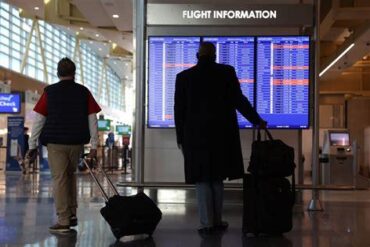
Passengers across the nation experienced extended delays, missed connections, and last-minute cancellations, with major airports like LaGuardia, Minneapolis-St. Paul, Salt Lake City, and Detroit experiencing secondary disruptions. International departures out of Atlanta were particularly hard hit, with flights to London, Paris, and São Paulo experiencing multi-hour delays.
Airline Response and Communication Strategy
Delta was quick to release a formal apology via its official website and social media channels. In the statement, the airline emphasized the unprecedented nature of the weather event, highlighted the herculean efforts of its ground and maintenance crews, and promised to restore normal operations as swiftly as safety would allow.
The airline’s messaging strategy focused on transparency and empathy, noting that while all inspections were completed by the next morning, operational instability would persist through the weekend. Delta also urged travelers to check the status of their flights before heading to the airport and waived change fees for affected itineraries.
FAA and Airspace Coordination Under Pressure
One of the more dramatic moments of the evening was the FAA’s temporary evacuation of ATL’s air traffic control tower, a decision not taken lightly. During the 79-minute window without tower operations, the FAA activated contingency procedures, rerouting in-flight aircraft and freezing ground traffic.
The FAA has since confirmed it is in dialogue with multiple airports nationwide about reinforcing air traffic control tower safety protocols during extreme weather. The increasing frequency of severe weather events linked to climate volatility has placed added pressure on airport infrastructure and contingency planning.
Atlanta’s tower, one of the tallest in the country at 398 feet, is exposed to the full brunt of thunderstorms. Its evacuation underscores how quickly operational normalcy can unravel in the face of natural forces.
Broader Implications for Delta’s Summer Schedule
The Atlanta storm raises broader concerns for Delta’s Summer 2025 schedule, particularly as the July 4 holiday approaches. With bookings near all-time highs post-pandemic, any disruption to hub operations has a multiplier effect on customer experience and operational costs.
Aviation analysts suggest that while Delta has made strides in fleet flexibility and resource allocation, the sheer size of its ATL hub makes it uniquely vulnerable to local weather events. Any severe storm that grounds operations at ATL has the potential to upend the airline’s daily flow, stranding passengers and crew thousands of miles away.
Moreover, insurance liabilities and aircraft damage assessments may stretch into the millions, depending on what hidden defects surface during in-depth maintenance checks. While most aircraft were cleared for flight post-inspection, a few may require additional repair cycles, removing them from inventory during a peak travel period.
Passenger Reactions and Future Expectations
Travelers took to social media with a mix of frustration and understanding. Many praised Delta’s honesty in communicating delays and offering rebooking options, but others criticized the airline for long call center wait times and limited in-terminal staffing. Some passengers shared images and videos of hailstones bouncing off jet bridges and flooded airport corridors.
For future operations, passengers now expect airlines—particularly those with mega-hubs like Delta—to invest more heavily in:
- Automated weather response systems
- Better real-time communication tools
- Flexible rebooking interfaces
- Expanded contingency staff for irregular operations
These enhancements could determine how well Delta weathers the next major disruption.
Conclusion: A Wake-Up Call for Weather Resilience
The June 27 hailstorm that blindsided Delta’s core hub operation in Atlanta was more than a meteorological event—it was a critical stress test for America’s most connected airline. The grounding of over 100 aircraft, hundreds of cancellations, and the tower evacuation illustrated how thin the margin for disruption truly is in modern aviation.
As Delta and the FAA conduct their respective post-incident evaluations, the storm will likely accelerate internal discussions on weather resilience, asset protection, and hub diversification. The storm has once again reminded the industry that even the best-laid operational plans can be swiftly undone by nature’s fury.
Looking forward, passengers and regulators alike will be watching closely to see how Delta evolves its emergency response mechanisms in an age of increasingly extreme weather patterns.