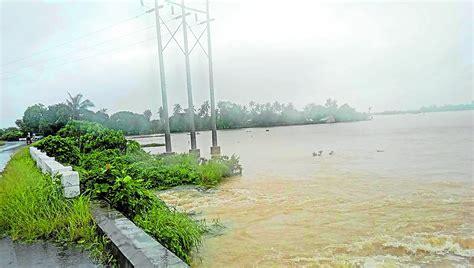
As of July 27, 2025, the National Disaster Risk Reduction and Management Council (NDRRMC) has reported a tragic increase in casualties resulting from the convergence of the southwest monsoon, known as Habagat, alongside devastating cyclones, including Crising, Dante, and Emong. This unfortunate tally reveals a total of 31 individuals confirmed or suspected dead, with 13 confirmed fatalities and 18 others still under investigation. The impact has been particularly severe in the National Capital Region (NCR), where nine deaths have been recorded, reflecting the widespread devastation that these weather events have wrought across the nation.
Efforts to locate missing persons are ongoing, with local authorities conducting extensive search and retrieval operations, especially in regions severely impacted by landslides, such as the Silang-Tagaytay boundary in Cavite. The scale of the disaster is staggering, affecting over 5.8 million individuals across 1.6 million families in 17 regions and 70 provinces. The NDRRMC estimates that infrastructure damages could reach approximately 5.65 billion, while losses in the agricultural sector have surpassed 766 million. In light of this overwhelming destruction, a state of calamity has been declared in 186 towns and cities throughout the country.
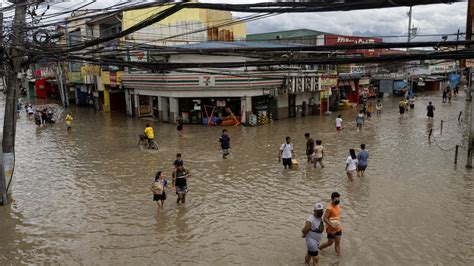
Although Tropical Storm Emong has departed, the southwest monsoon continues to bring heavy rains and severe weather to various parts of the Philippines. The government’s weather bureau has issued alerts regarding the persistent risk of flooding, and there is close monitoring of an emerging tropical storm, Krosa. Travelers are urged to stay informed about potential disruptions due to these extreme weather conditions, which are likely to continue affecting daily life in the affected areas.
In response to the ongoing crisis, the government has enacted a temporary suspension of classes and work in government offices across Luzon. This decisive action aims to safeguard citizens from the dangers posed by heavy rains and prevent further casualties. President Ferdinand Marcos Jr. addressed the nation, underscoring the urgent need to adapt to what he termed the new normal of climate change-induced natural disasters. He cautioned that such catastrophic events are expected to persist for years, necessitating long-term planning and preparedness. Drawing parallels to the devastating floods in Texas, USA, he highlighted the increasingly unpredictable weather patterns that are emerging as a consequence of global climate change.
For travelers in the Philippines, the heavy rainfall and ongoing storms present significant obstacles. Flight cancellations, delays, and transportation disruptions are becoming increasingly common due to unsafe conditions in affected regions. Travelers planning to visit or depart from areas impacted by the monsoon and cyclones should prepare for longer-than-usual delays, as airports and roads are temporarily closed to ensure safety. The NDRRMC has advised individuals to closely monitor local advisories and updates regarding travel restrictions, road conditions, and flight schedules. With ongoing landslides and flooding complicating travel plans, affected individuals may need to make alternative arrangements for their journeys.
The tourism sector is facing unprecedented challenges as the ramifications of these natural disasters unfold. The Philippines, renowned for its beautiful beaches, vibrant culture, and rich history, may see a decline in tourist arrivals as safety concerns mount and travel advisories are issued. Many potential visitors are likely to reconsider their travel plans due to the heightened risks associated with extreme weather events. Furthermore, the economic impact on local businesses that rely heavily on tourism cannot be overstated, as reduced foot traffic translates into diminished revenues and job losses.
Experts suggest that both individuals and the government must proactively brace for future storms. The NDRRMC and local governments are working diligently to improve evacuation planning, strengthen disaster management capabilities, and enhance infrastructure to mitigate damage from extreme weather. In an era where climate change is altering weather patterns and causing chaos on a global scale, it is crucial for tourists, locals, and government officials alike to recognize and accept the increasing likelihood of such events. Preparing for and responding to these challenges is essential to mitigate their impact and ensure the safety and well-being of all.
In conclusion, the recent cyclones and the ongoing effects of the Habagat have left an indelible mark on the Philippines, both in terms of human tragedy and economic disruption. The tourism industry, a vital component of the country’s economy, must navigate these turbulent waters with resilience and adaptability. As the nation strives to recover from this crisis, the lessons learned will undoubtedly shape future strategies for disaster preparedness and response, ensuring that the Philippines remains a safe and welcoming destination for travelers in the years to come.