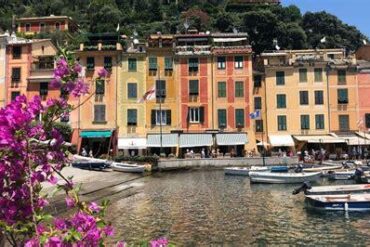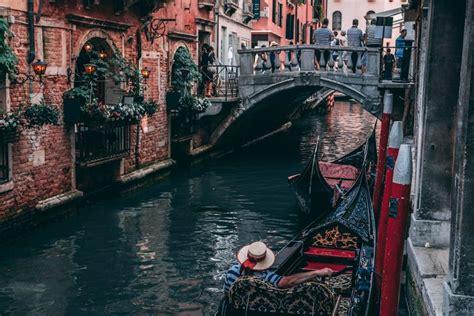
The French Riviera, a sun-soaked stretch of coastline famous for its glamorous resorts, breathtaking views, and Mediterranean charm, is taking a new step in regulating tourism. A town on this iconic French coastline has recently announced a set of restrictions on visitors, marking the latest in Europe’s growing trend of imposing curbs on tourism. The new measures are designed to balance the preservation of the town’s environment and local culture with the ever-increasing demand from tourists seeking to experience the Riviera’s beauty.
Growing Pressure on Tourism in the French Riviera
The French Riviera has long been one of Europe’s most sought-after destinations. With its shimmering coastline, luxurious lifestyle, and historical landmarks, the region attracts millions of visitors every year. However, this influx of tourists has placed significant pressure on local communities, resources, and the environment. In response, authorities in one of the region’s towns have introduced measures to control the number of tourists, ensuring the area’s delicate balance between economic growth and cultural preservation.
The town’s local authorities announced the restrictions in light of growing concerns over overcrowding, environmental degradation, and the challenges posed by mass tourism. As visitors flood the area, local infrastructure has been stretched thin, with roads, waste management systems, and even beaches often overwhelmed. This move to curb tourism is a proactive step to ensure the town can continue to thrive while preserving its charm and natural beauty for future generations.
The Rise of Overtourism in Europe
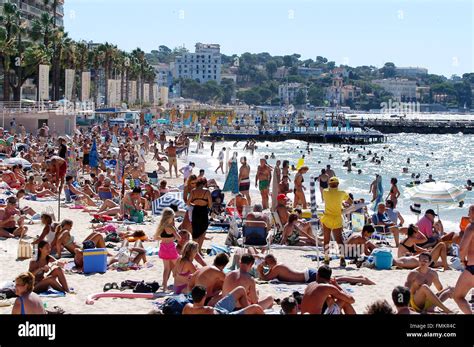
The announcement of the restrictions comes at a time when many European destinations are reevaluating how tourism impacts their communities. Over the last decade, the phenomenon of overtourism has become a significant issue in major cities across Europe, including Venice, Barcelona, and Amsterdam. These cities, once celebrated for their cultural heritage and picturesque landscapes, have faced the downsides of unchecked tourism: overcrowding, rising costs of living, environmental degradation, and a loss of local character.
The French Riviera town’s decision reflects a broader European movement that seeks to strike a balance between preserving cultural heritage and accommodating the global demand for travel. As tourism continues to grow, many regions are exploring how to manage the number of visitors, with some opting for entry permits, limited access to key attractions, and other measures aimed at reducing the burden on local communities.
The New Restrictions: What Tourists Need to Know
The newly introduced restrictions in the French Riviera town will impact the flow of visitors, particularly during peak tourist seasons. Local authorities have implemented several measures aimed at limiting the number of tourists in certain high-demand areas, such as popular beaches, historical sites, and cultural landmarks. One key aspect of the restrictions includes the introduction of a booking system for specific attractions. This move is designed to control the flow of visitors to prevent overcrowding at popular destinations. Visitors will need to reserve tickets in advance to access certain sites, ensuring a smoother and more enjoyable experience for tourists while safeguarding the town’s infrastructure and environment.
Additionally, the town is limiting the number of tourists allowed in certain areas during peak seasons. This restriction aims to reduce congestion, allowing both residents and visitors to enjoy the town’s charm without being overwhelmed by large crowds. The local government is also exploring options to encourage tourists to visit during off-peak seasons, spreading out the demand for accommodations and services throughout the year.
Local Residents React to the Changes
Local residents have largely welcomed the introduction of the new measures, with many acknowledging the pressures that tourism has placed on the town in recent years. In a statement, the mayor expressed that while tourism is crucial for the local economy, the town must preserve its character, charm, and quality of life for its residents. The restrictions are seen as a necessary step to protect the town’s environment, history, and cultural integrity.
In addition to the booking systems and visitor caps, the town has also rolled out measures to improve waste management, reduce water consumption, and promote environmentally friendly practices. These initiatives are designed to complement the tourism restrictions and ensure that the region remains an attractive destination for future travelers.
Environmental Concerns and the Need for Sustainability
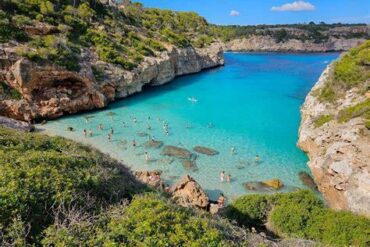
One of the driving factors behind the new restrictions is the increasing pressure on the local environment. The French Riviera’s stunning coastline, crystal-clear waters, and lush landscapes are its most valuable assets. However, the surge in tourism has led to environmental degradation, with increased pollution, waste, and resource depletion becoming significant concerns. The introduction of tourist restrictions is intended to safeguard the region’s natural beauty. By controlling the number of visitors in certain areas, authorities hope to reduce the environmental impact of mass tourism. Local beaches, forests, and marine life have been particularly affected, and sustainable tourism practices are being prioritized to protect these precious resources.
A Model for Sustainable Tourism
The French Riviera town’s move to limit tourism is part of a broader push across Europe to develop more sustainable tourism practices. In response to the negative impacts of overtourism, many destinations are now focused on promoting responsible travel, encouraging visitors to respect local cultures, reduce waste, and support local businesses. This shift toward sustainability is not just about restricting the number of tourists but also about encouraging more responsible travel. The town is working with local tour operators, hotels, and restaurants to promote eco-friendly practices and educate visitors about the importance of preserving the region’s cultural and natural heritage.
Looking Ahead: The Future of Tourism in the French Riviera
While the new restrictions may initially feel like a limitation for tourists, they are ultimately an investment in the long-term health of both the town and the tourism industry. The goal is to ensure that the French Riviera remains an attractive destination for years to come, not just for travelers but for the local community as well. The town plans to monitor the impact of these measures closely, adjusting them as necessary to ensure they meet the needs of both residents and visitors. Tourists will still have the opportunity to explore the beauty of the French Riviera, but now with the assurance that their visit is contributing to a sustainable and responsible tourism model. By managing visitor numbers and encouraging more eco-conscious travel, the region hopes to strike the right balance between welcoming visitors and protecting the resources that make the French Riviera so special.
Conclusion: A Sustainable Future for the French Riviera
In conclusion, the French Riviera town’s new restrictions represent a significant shift in how tourism is managed, not just in this town, but across Europe. As more destinations adopt similar measures, the future of travel could look very different, with a greater emphasis on sustainability, cultural preservation, and responsible tourism practices. While some may see these restrictions as a limitation, they are ultimately an investment in the long-term health of both the community and the tourism industry itself. By ensuring that the beauty of the French Riviera is preserved, the town is safeguarding its future as a top destination for generations to come.