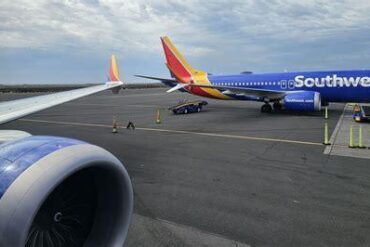
Southwest Airlines, a name long synonymous with budget-friendly domestic travel, is undertaking a transformation that could reshape the U.S. airline industry. Known for its no-frills service and open seating policy, the Dallas-based airline is now planning to enter the realm traditionally dominated by full-service carriers. With the introduction of premium class seating, airport lounges, and a bold push into long-haul international routes, Southwest is preparing to redefine its value proposition—without abandoning its core identity of affordable air travel.
Premium Class Seating and Assigned Seating: A Radical Departure from Tradition
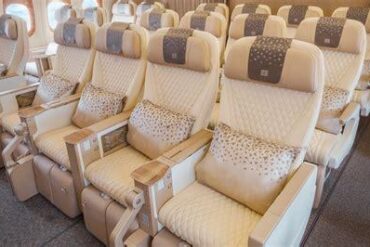
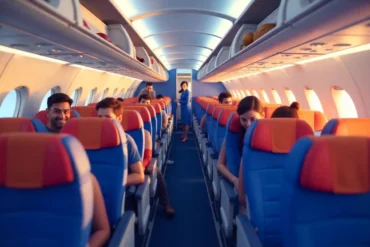
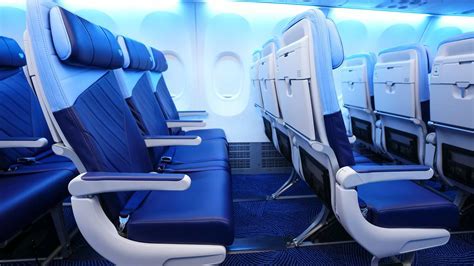
For decades, Southwest’s open-seating model has been a cornerstone of its brand. Boarding groups, rather than assigned seats, have governed how passengers choose where to sit. But that’s about to change. Starting in 2026, Southwest will introduce premium class seats strategically placed at the front and middle of aircraft cabins. These extra-legroom, more spacious seats will be available to Business Select travelers, elite frequent flyers, or at an added fee.
This shift isn’t just a logistical update—it’s a philosophical one. Bob Jordan, CEO of Southwest, has acknowledged that today’s travelers, especially those in the premium and corporate segments, are demanding more comfort, predictability, and perks. While maintaining its legendary affordability, Southwest’s move to assigned premium seating caters directly to this growing demand. For the first time, the airline will offer a tiered seating model, aligning itself closer to legacy carriers like Delta and United while still preserving its budget traveler base.
Airport Lounges on the Horizon: The Value Traveler’s New Comfort Zone
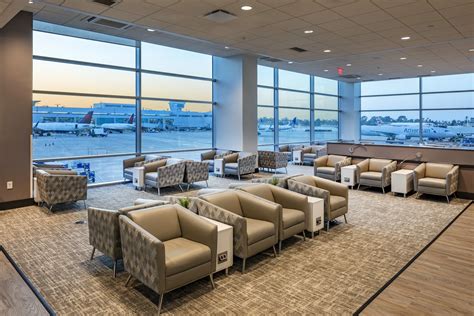
In tandem with premium seating, Southwest plans to open dedicated airport lounges, giving its higher-tier customers access to enhanced pre-flight experiences. While specifics regarding the lounge locations and partnerships remain under wraps, the airline has made its intentions clear—lounges are coming.
These lounges will likely include complimentary Wi-Fi, refreshments, business zones, and comfortable seating. The strategic goal is not just luxury but retention and conversion. By adding this amenity, Southwest is closing the service gap between itself and its larger, full-service rivals. The decision is also a nod to frequent business travelers who may have overlooked the airline in the past due to its lack of premium offerings.
Crossing Oceans: Southwest’s Ambitious Global Expansion Plan
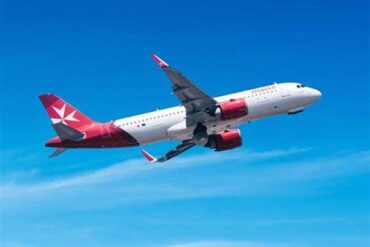
Perhaps the most industry-shaking announcement is Southwest’s intention to launch long-haul international flights. Currently operating with a fleet dominated by Boeing 737s optimized for short- to medium-haul flights, the airline will have to acquire or lease long-range aircraft to support global routes. Destinations in Europe, Asia, and South America are now being seriously considered.
CEO Bob Jordan confirmed that the airline is open to investing in wide-body aircraft or entering into strategic global alliances. Already, partnerships with Icelandair and China Airlines are setting the groundwork for code-sharing, joint services, and shared loyalty benefits. If executed properly, Southwest could gain a strong foothold in international markets while maintaining price competitiveness that disrupts legacy carrier pricing structures.
This ambitious leap signals a clear departure from Southwest’s previous reluctance to compete internationally. Now, it’s not just about cross-country trips at low fares—it’s about cross-continental journeys with high value.
Challenging Industry Giants: Aligning with Evolving Consumer Preferences
The evolution of Southwest’s services isn’t happening in a vacuum. Major U.S. carriers like Delta, American, and United have all significantly expanded their premium services in recent years. These include larger business class suites, chef-curated in-flight dining, and upgraded loyalty programs. To remain competitive, Southwest is adapting, but on its own terms.
The sweet spot for the airline lies in combining affordability with upgraded experiences. For travelers, especially those burned out by high prices and inconsistent service elsewhere, Southwest’s hybrid approach could prove irresistible. Business travelers could finally consider the airline for long-haul work trips, while leisure travelers gain access to international destinations without the sticker shock.
Balancing Innovation With Core Values: The Affordability Factor
What makes this transformation so compelling is Southwest’s unwavering commitment to affordable pricing. Even with the rollout of premium services, the airline’s fundamental promise—to make flying accessible to all—remains intact. Executives have emphasized that premium seating will not cannibalize economy value, and lounges will be priced competitively for accessibility.
In fact, Southwest’s strategic thinking hinges on increasing the volume of bookings across all market tiers. By offering international routes and premium services at a lower price than traditional carriers, the airline can drive more people into the skies—an outcome that supports not just Southwest’s growth, but the health of the broader travel economy.
The pricing approach, according to internal sources, will likely use dynamic, tiered models with optional add-ons. This lets travelers self-select their ideal balance of value and luxury, reinforcing Southwest’s positioning as the most democratic of major U.S. carriers.
Fleet Expansion and Infrastructure Upgrades: Making the Vision a Reality
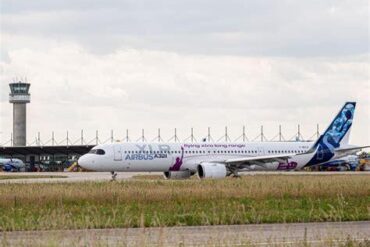
To make this strategy viable, Southwest will need to overhaul its infrastructure and fleet. The transition into international markets will require either the purchase or lease of long-haul aircraft capable of transatlantic and intercontinental routes. Rumors suggest the airline is evaluating aircraft models such as the Airbus A330neo or Boeing 787 Dreamliner, though nothing is confirmed.
Beyond aircraft, ground operations must evolve. Expect investments in international terminals, check-in facilities, and maintenance hangars that support global flight operations. The rollout will be gradual, likely starting with major coastal hubs such as Los Angeles, Dallas, and Miami, before scaling to other U.S. cities.
Customer Response and Loyalty Program Enhancements
Initial customer feedback to these announcements has been overwhelmingly positive, especially among Southwest’s Rapid Rewards elite members. Many have long requested more flexibility, tiered seating, and international options, particularly for business travel. The airline is now examining how to integrate these premium offerings into its loyalty framework.
Possible enhancements may include:
- Tier-based access to lounges
- Bonus points for premium seat purchases
- Free international checked bags for elite members
- Priority boarding for international flights
These changes are designed to reward loyal passengers while also enticing new clientele accustomed to global service standards.
Strategic Implications: Southwest’s New Competitive Posture
From a competitive standpoint, Southwest is positioning itself in a new middle tier of airline classification. No longer strictly a low-cost carrier, but not yet a legacy airline, the company is creating a value-luxury hybrid model. This space has seen immense consumer interest in recent years, particularly among travelers who demand more than barebones economy but can’t justify the cost of full-service business class.
In this new posture, Southwest competes not just with Spirit or Frontier, but now American, Delta, and even JetBlue Mint. By maintaining low operational costs, the airline can undercut these competitors on price while delivering many of the same comfort features.
Conclusion: The Future of Affordable Luxury in Air Travel
Southwest Airlines is no longer just the quirky, low-cost U.S. airline offering peanuts and open seating. It is emerging as a serious player in premium aviation, with plans that include assigned seating, exclusive airport lounges, and even international long-haul flights. All this while preserving its hallmark of affordability.
This evolution isn’t just about modernization—it’s about market expansion. The airline is boldly stepping into a space that few budget carriers have dared to tread. And it’s doing so with strategic focus, customer insight, and operational discipline.
If Southwest executes this shift successfully, the airline may very well become the first global budget carrier to also offer luxury perks, rewriting the rules of modern aviation—and inviting the world to fly further, better, and more affordably than ever before.