Ruben D. Sanchez Jr., a veteran United Airlines flight attendant with nearly three decades of service, has filed a federal lawsuit alleging wrongful termination after being fired for expressing Catholic beliefs and conservative opinions. The lawsuit, filed on June 30, 2025, in the U.S. District Court, targets both United Airlines and the Association of Flight Attendants-CWA (AFA-CWA), accusing them of discrimination, contract breaches, and failure to protect employee rights.
Longtime United Employee Fired After Faith-Based Conversation
The controversy began aboard United Airlines Flight 1786 from Los Angeles (LAX) to Cleveland (CLE) in May 2023. According to Sanchez, what started as a private theological discussion during the red-eye flight quickly spiraled into a career-altering investigation. Shortly afterward, a complaint surfaced on social media accusing him of discriminatory speech.
However, Sanchez claims the complainant was not even aboard the flight. Three of his co-workers interviewed during the investigation reportedly refuted the allegations. Despite this, United placed Sanchez on paid leave and launched a full review of his X (formerly Twitter) account.

The resulting disciplinary action led to his eventual termination. Sanchez insists the airline’s response was disproportionate and based more on ideological bias than legitimate policy concerns. He maintains that the social media posts in question, though political and religious in nature, were personal expressions unrelated to his employer.
Targeted Over Political and Religious Beliefs?
In the original and amended legal filings from January and February 2025, Sanchez details a range of grievances:
- Wrongful termination under California Labor Code §§ 1101 and 98.6
- Religious and age discrimination in violation of the California Fair Employment and Housing Act (FEHA)
- Breach of contract by United Airlines
- Failure of fair representation by the AFA-CWA
- Disparate treatment compared to similarly situated employees
He argues that his conservative and Catholic views—expressed on a personal account that explicitly stated no affiliation with United—were scrutinized unfairly. According to his suit, only 0.02% of his posts were flagged, and none explicitly referenced or defamed the airline. Still, United concluded they violated its branding and content standards.
Among the posts under review were shares concerning obesity, criticism of transgender activism, and political commentary. Sanchez defends these as personal, constitutionally protected views rather than hate speech or harassment.
Disparity in Enforcement Raises Red Flags
Sanchez highlights what he considers a clear pattern of inconsistent disciplinary enforcement. According to his claims, other United employees who made inflammatory or policy-violating posts were either warned, asked to remove content, or faced minimal discipline. In contrast, Sanchez received no opportunity to explain or amend his posts.
This discrepancy forms the core of his disparate treatment allegation. He asserts that United’s HR and compliance departments used the internal investigation as a pretext to silence religious conservatives while offering leniency to others who violated the same rules, or worse.
He also claims age discrimination played a role, noting that younger employees in similar situations retained their positions or received lighter consequences.
The Role of the Union: Abandonment or Justified Retraction?
While the initial investigation progressed, the AFA-CWA union initially stepped in, representing Sanchez through two grievance stages. However, it later refused arbitration, citing cost considerations and referencing a separate but somewhat similar case that was ongoing.
This decision, Sanchez argues, amounted to an abdication of duty. He accuses the union of arbitrary and bad faith behavior, asserting it failed to evaluate his case independently and pressured him to secure legal representation out-of-pocket.
The lawsuit also points to a pattern of neglect by the union toward members with religious or conservative leanings. Sanchez cites past examples of flight attendants in similar ideological positions receiving minimal support.
United’s Social Media Policy: Ambiguity or Abuse?
Central to the case is United’s employee social media policy, which encourages staff to share experiences but cautions against anything that might tarnish the brand. Sanchez insists he followed the rules: his account was marked personal, contained no employer tags, and avoided naming United in controversial posts.
The company’s rationale for his dismissal focused on the public perception his account might generate due to his identity as a flight attendant, regardless of disclaimers. Sanchez contends this logic is not only flawed but selectively enforced.
If employees can be punished for content that the airline neither owns nor officially links to its brand, he argues, it opens the door for ideological censorship and undermines legitimate expressions of personal belief—especially when no actual workplace conflict arose from those views.
Legal Proceedings Underway: District Court Weighs Allegations
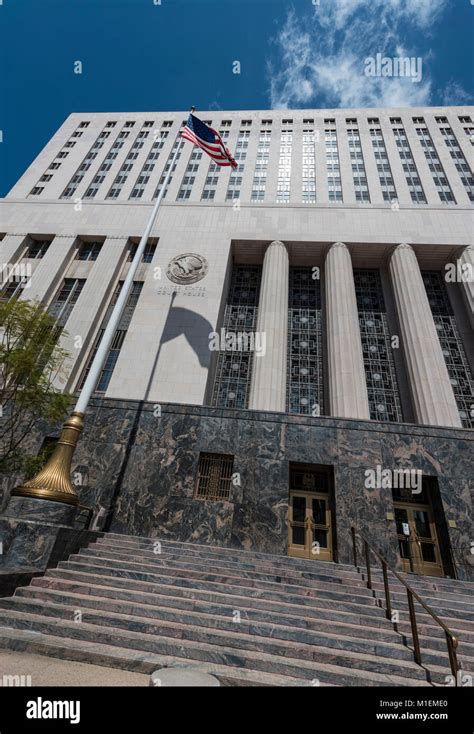
The case, 2:25-cv-00489-CAS-JPR, is currently under review in the U.S. District Court. The judge is considering the defendants’ motion to dismiss under Rule 12(b)(6), which tests the legal adequacy of Sanchez’s claims.
For the case to proceed, Sanchez must show plausible and non-conclusory grounds for relief, meaning his allegations must present a reasonable basis for believing his rights were violated.
Should the court reject the motion to dismiss, the case could enter discovery—a phase that may expose internal communications, emails, or records that further illuminate United’s and the union’s motivations.
Broader Implications: Workplace Speech and Religious Freedom
Sanchez’s lawsuit arrives at a time when freedom of speech and religious liberty in the workplace are increasingly under national scrutiny. As corporations walk a fine line between brand protection and employee rights, cases like this test how far employers can go in disciplining off-duty behavior.
Legal scholars and employment rights advocates are watching closely. If Sanchez prevails, it could set precedent concerning social media governance, employee belief systems, and union accountability. Conversely, a dismissal or United victory might signal broader corporate authority over personal expression—even when that expression occurs outside work hours and off company channels.
This case could also affect how unions handle grievances, especially when representation decisions are influenced by resource concerns or ideological differences. If courts rule that the AFA-CWA had a non-negotiable duty to support Sanchez, it could compel unions nationwide to rethink internal arbitration standards.
The Stakes Moving Forward
For Sanchez, the stakes are more than just personal vindication. His lawsuit challenges the norms around employee speech, religious identity, and institutional accountability. It confronts the powerful dual structure of airline management and union representation, both of which, he claims, failed to uphold their respective duties.
United Airlines, a global aviation leader, faces reputational risk as the story unfolds. Though the company insists its decision was based on policy and professionalism, critics argue that ideological discrimination has no place in corporate discipline.
Whether this becomes a landmark case or a procedural dismissal will likely depend on what emerges during the next phase. But for now, Ruben D. Sanchez Jr. has launched a legal battle that could resonate far beyond the corridors of United Airlines.