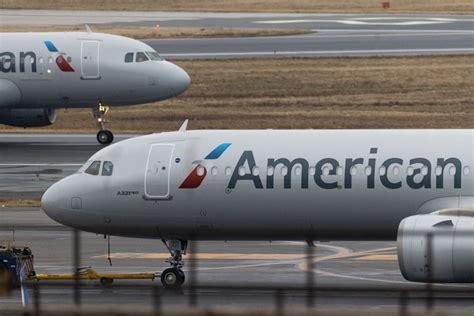
The United States Supreme Court has decisively refused to hear an appeal involving the Department of Justice (DOJ) and the now-defunct Northeast Alliance between American Airlines and JetBlue Airways, effectively closing the door on a significant chapter in the evolving landscape of domestic aviation partnerships. This move upholds a lower court’s ruling that dismantled the alliance on grounds of antitrust violations, a ruling that has already reshaped competition along the East Coast corridor.
Origins and Strategic Rationale Behind the Northeast Alliance
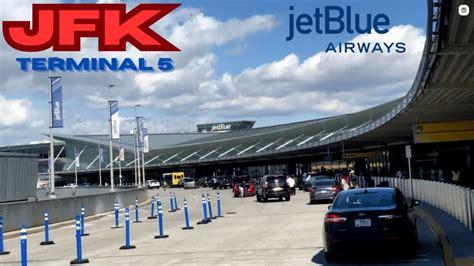
Formed in 2021, the Northeast Alliance was conceived as a bold maneuver to counter the dominance of Delta Air Lines at John F. Kennedy International Airport (JFK) and United Airlines at Newark Liberty International Airport. American Airlines had seen a steady erosion of its influence in the New York region, with its JFK market share dipping to just 12.37%. In contrast, JetBlue controlled over 32%, largely thanks to its extensive gate slots and operational infrastructure.
By aligning their resources, American and JetBlue intended to create a formidable cooperative platform without merging operations. JetBlue brought agility, frequency, and established terminals, while American contributed global connectivity, premium service offerings, and international route strength. The synergy aimed to provide consumers with more choices, reduce layovers, and enhance connectivity on transcontinental and transatlantic routes.
Regulatory Backlash and Legal Challenges
The Department of Justice viewed the alliance differently. Arguing that the partnership reduced competitive pressure and effectively allowed two major airlines to coordinate pricing and scheduling in one of the most competitive markets in the country, the DOJ launched a legal challenge. According to the government, this was especially concerning given the limited availability of takeoff and landing slots in key New York airports, which already limit the entry of new competitors.
In a 2023 federal ruling, the courts sided with the DOJ, declaring that the alliance violated federal antitrust law. American Airlines challenged the verdict, appealing all the way to the Supreme Court. But the Court, without comment, declined to review the case. The decision marks a final legal blow to the Northeast Alliance and underscores the Biden administration’s increasingly aggressive stance on consolidation in the airline industry.
JetBlue’s Tumultuous Path After the Alliance Collapse
With the Northeast Alliance terminated, JetBlue’s next move was to pursue an acquisition of Spirit Airlines, a strategy to bolster its market share and scale quickly. But this too faced the wrath of antitrust regulators. The DOJ again intervened, and the courts blocked the merger, citing similar concerns of diminished competition, particularly in markets where the two carriers overlapped.
The back-to-back failures—first the Northeast Alliance, then the Spirit merger—left JetBlue navigating turbulent skies. Financially strained and under competitive pressure from both legacy and low-cost rivals, JetBlue’s leadership has had to revisit its strategic assumptions.
American Airlines: Stability Amid Setback
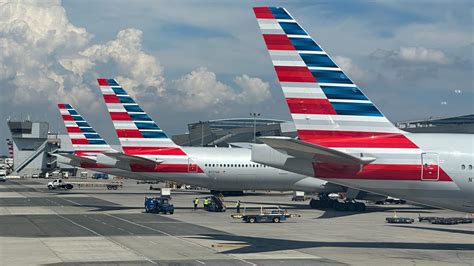
While American Airlines was also dealt a legal defeat, its diversified global network has allowed it to weather the regulatory storm with more resilience than JetBlue. Still, the collapse of the alliance leaves American in a weakened position in the Northeast. With just 12.37% of JFK’s market share, the carrier faces steep challenges from Delta’s 33.40% dominance and JetBlue’s own still-substantial presence at 32.28%.
The loss of shared slots, codeshare agreements, and joint scheduling advantages means that American must now compete more independently in a region where slots are scarce and consumer expectations are high. The strategic advantage the alliance once offered—especially in a constrained post-pandemic operating environment—is now gone.
JetBlue’s New Hope: The Blue Sky Partnership with United
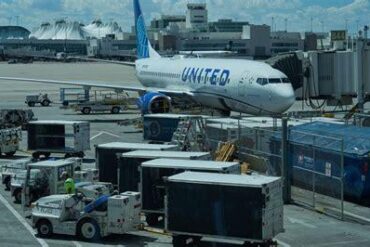
In a bid to regain strategic momentum, JetBlue has forged a new alliance with United Airlines, called the “Blue Sky” partnership. The agreement focuses on reciprocal loyalty perks rather than full-fledged codeshare integration. Elite travelers on both airlines can now enjoy benefits such as priority boarding, lounge access, and status matching. Crucially, the absence of codeshares and capacity coordination—unlike the Northeast Alliance—may allow the new partnership to avoid triggering regulatory scrutiny.
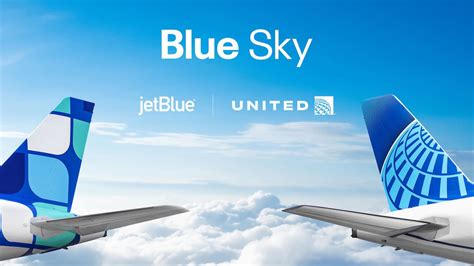
The deal will also facilitate JetBlue’s continued access to JFK slots while allowing United to return to JFK after years of concentrating operations at Newark. In exchange, JetBlue will get improved flight timings and route access at Newark, giving both airlines a better foothold against Delta in the Northeast market.
Notably, Spirit Airlines has already raised concerns about the Blue Sky agreement, stating that it could still harm competition. However, regulators have not yet intervened, possibly seeing this looser collaboration as falling short of the structural integration that made the Northeast Alliance problematic.
The Bigger Picture: Airline Alliances in a Regulatory Minefield
The fate of the Northeast Alliance and the aborted JetBlue-Spirit merger underscores a new era of aggressive antitrust enforcement in the U.S. aviation industry. Under current DOJ leadership, deals that may have passed in previous decades are now being closely scrutinized, especially in regions where airport gate capacity is limited and barriers to entry are high.
Airlines are increasingly turning to non-merger partnerships, loyalty integrations, and selective route cooperation as alternative strategies to expand their market presence. These arrangements—often more flexible and less visible—may allow carriers to sidestep regulatory red flags while still extracting some of the network synergies traditionally gained from mergers or joint ventures.
Consumer Impact and Market Dynamics
The dissolution of the Northeast Alliance has led to increased fragmentation in route offerings and pricing strategies in the Northeast corridor. Travelers may now find fewer one-stop booking options between American and JetBlue, more variable fare structures, and reduced loyalty integration. For business travelers who relied on the alliance’s streamlined connectivity, the change represents a step backward.
However, from a competition standpoint, the DOJ argues that the dismantling of the partnership opens the market to more genuine rivalry, not less. Independent competition among American, JetBlue, Delta, and United—without coordination—means that pricing and scheduling decisions are now more likely to reflect market pressures than collaborative compromise.
What Comes Next for JetBlue and American Airlines?
Both carriers are at a crossroads. JetBlue, despite its agility and customer satisfaction scores, needs to secure long-term scale and profitability. Partnerships like Blue Sky may buy time, but unless regulatory paths open for deeper integrations or acquisitions, the airline could face ongoing margin pressure.
American Airlines must address its relative weakness in the Northeast. Whether through organic slot acquisition, service improvements, or targeted market expansion, it must now compete without a strategic partner to lean on in New York. The carrier’s broader international reach may help offset domestic gaps, but growth in key coastal regions remains a challenge.
Conclusion: Legal Closure, Strategic Uncertainty
With the Supreme Court’s refusal to intervene, the legal fight over the Northeast Alliance has ended, but the competitive consequences are far from settled. JetBlue and American Airlines now operate in a more constrained regulatory environment, where strategic agility and regulatory awareness are more critical than ever. The ruling not only ends a chapter in their partnership but also signals a broader shift in how U.S. regulators view airline alliances—particularly in congested markets with high consumer stakes.
In the wake of this decision, the aviation industry must reconsider how to balance strategic growth with compliance, and how to innovate within the ever-tightening boundaries of antitrust law.