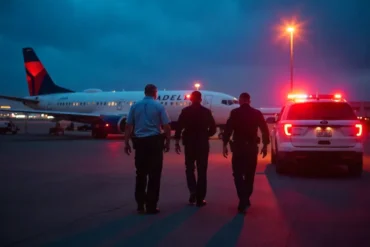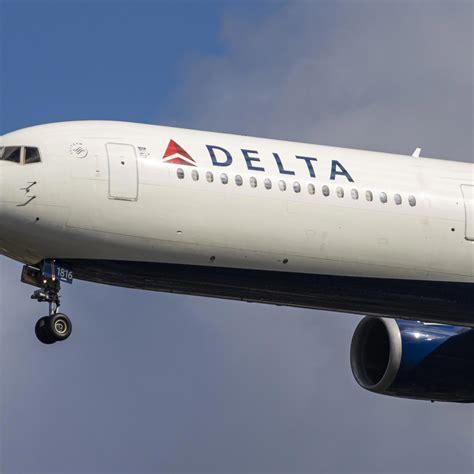
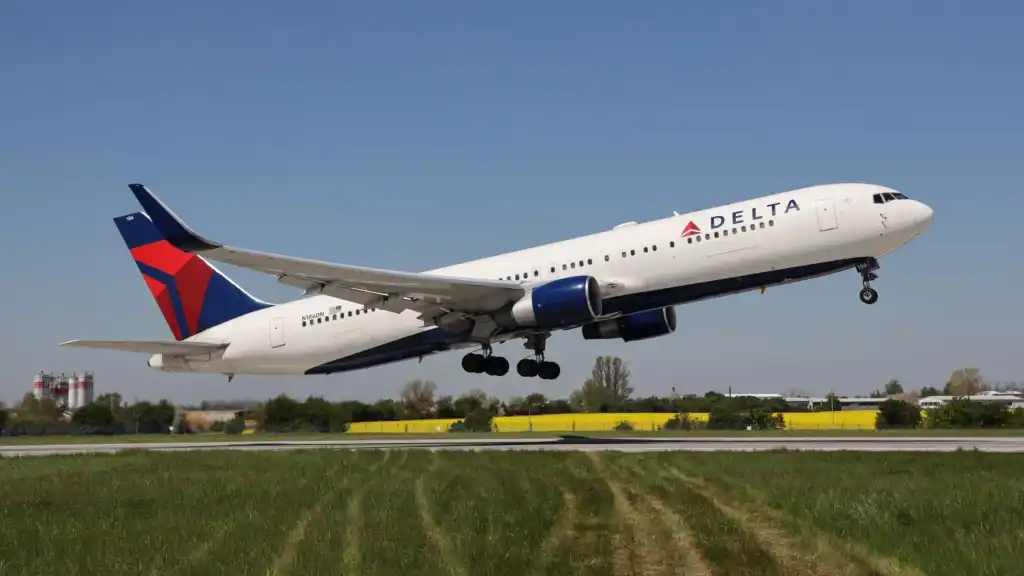
A Delta Air Lines pilot was arrested at Stockholm Arlanda Airport (ARN) on Tuesday morning after failing a mandatory pre-flight breathalyzer test, halting the departure of Flight 205 bound for New York’s John F. Kennedy International Airport (JFK). Swedish authorities confirmed that the pilot, a female U.S. citizen, was found to have a blood alcohol content (BAC) above the legal limit. The flight, scheduled to be operated by a Boeing 767-300 (B763) widebody aircraft with 198 passengers on board, was immediately canceled.
Swedish Authorities Intervene Moments Before Takeoff
According to Swedish Police reports, the arrest occurred at 09:15 local time during a standard pre-departure procedure. The timing was critical—the pilot was onboard the aircraft and preparing for takeoff when she was pulled aside. The arrest was carried out in accordance with EU Regulation 2018/1042, which mandates random alcohol testing for both flight and cabin crew.
This incident was not the result of an ongoing investigation or intelligence tip-off. It was triggered by routine procedures enforced by the European Union Aviation Safety Agency (EASA). The pilot was taken into custody immediately, preventing what could have become a catastrophic breach of aviation safety protocols.
Flight Cancellation Costs Delta Over $130,000
The grounding of Delta Flight 205 represents more than just an operational hiccup. Under EU passenger rights law, specifically EC 261/2004, the airline is obligated to compensate each affected passenger. With 198 passengers onboard and compensation set at €600 (approx. $705 USD) per person, Delta faces an immediate payout of approximately $139,590.
In addition to compensation, Delta is expected to incur further losses related to rebooking fees, hotel accommodations, and potential reputational damage. For a major international carrier, these costs underscore the serious financial implications of crew misconduct.
FAA Alcohol Guidelines: 8 Hours Bottle to Throttle
According to the Federal Aviation Administration (FAA), the legal limit for alcohol concentration in pilots is 0.04% BAC. Additionally, pilots must refrain from alcohol consumption for a minimum of eight hours before flight duty, colloquially referred to as “bottle to throttle.” The FAA, however, urges pilots to observe a more conservative window of 12 to 24 hours to ensure zero impairment.
Violating these regulations typically results in license revocation, termination of employment, and potential criminal charges, especially when incidents occur in foreign jurisdictions. In this case, the pilot’s future as an aviator appears grim. Legal proceedings in Sweden could result in jail time, while the FAA may impose additional sanctions on her Airman Certificate.
Delta’s Official Response and Industry Repercussions
In a brief statement, Delta Air Lines confirmed the arrest and emphasized its commitment to “the highest standards of safety and professionalism.” The airline stated:
“Delta is cooperating fully with the authorities. We take this matter very seriously and are conducting our own internal investigation.”
This case could prompt airlines to re-examine their internal crew monitoring protocols, particularly for long-haul international flights. Many carriers already implement pre-flight health checks, but the reliance on external random testing—such as that mandated by the EU—plays a vital role in ensuring systemic accountability.
Prior Incidents Involving Alcohol and Pilots
This is not the first time a Delta pilot has come under scrutiny for alcohol-related offenses. In 2024, Lawrence Russell Jr., also a Delta pilot, pleaded guilty in Scotland after being found with twice the legal limit of alcohol in his system. The case garnered significant media attention and culminated in a temporary flight ban for the pilot, followed by a suspension of his FAA credentials.
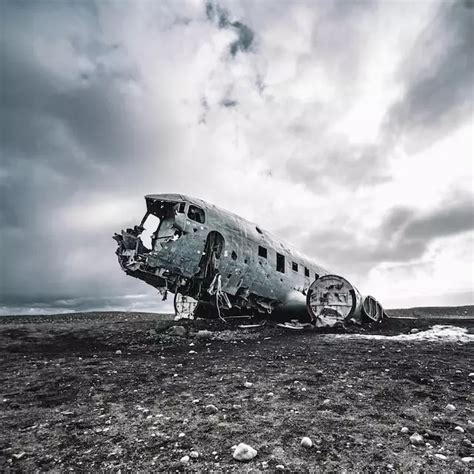
Globally, pilot intoxication remains rare but alarming. The deadliest aviation disaster tied to pilot alcohol use was Aeroflot Flight 311 in 1961. The Douglas DC-3 crashed during final approach in Finland, killing all 25 people on board. The captain and first officer had been drinking beer, gin, and cognac prior to takeoff. Their blood alcohol levels were found to be 0.20 and 0.156, respectively.
Legal Jurisdiction: Who Holds the Gavel?
Although the incident occurred in Sweden, the pilot’s nationality and Delta’s U.S. base complicate jurisdiction. Under international law, Sweden retains primary jurisdiction due to the incident happening within its territory. However, U.S. authorities—especially the FAA and Department of Transportation (DOT)—may become involved if violations of U.S. aviation law are confirmed.
Delta’s internal investigation will determine whether employee policies were violated. Depending on the outcome, the pilot may face additional penalties, such as permanent blacklisting from all U.S. commercial carriers and loss of FAA certification.
Regulatory Framework: EASA and FAA Enforcement
The EASA requires that all airlines operating within the EU conduct random alcohol and drug tests on crew members. These are typically unannounced and can occur at any stage—before boarding, at the gate, or even onboard.
Meanwhile, in the United States, the FAA’s Drug Abatement Division enforces 49 CFR Part 40 rules, which govern alcohol and drug testing. U.S.-based airlines must conduct:
- Pre-employment testing
- Random testing
- Post-accident testing
- Reasonable suspicion testing
- Return-to-duty and follow-up testing
This dual oversight from both EASA and FAA ensures that pilots operating in transatlantic routes are held to the highest safety standards on both sides of the ocean.
Public Safety and Industry Confidence
While this incident raises eyebrows, it also serves as a testament to the robust safety mechanisms in place across the global aviation industry. Passengers should find reassurance in the fact that the Swedish authorities acted swiftly, and that EASA policies functioned precisely as intended.
Moreover, Delta’s proactive engagement and the transparency of the arrest process suggest a zero-tolerance culture toward pilot misconduct. This vigilance is why flying remains statistically the safest form of transportation today.
Delta Air Lines: A Legacy Carrier with Global Reach
Founded in 1929, Delta Air Lines is a full-service U.S. carrier headquartered in Atlanta, Georgia. It operates an extensive domestic and international network and is a founding member of the SkyTeam Alliance. Delta’s major hubs include:
- Atlanta (ATL)
- New York JFK and LGA
- Los Angeles (LAX)
- Detroit (DTW)
- Salt Lake City (SLC)
- Seattle (SEA)
Despite its storied reputation and commitment to customer service and safety, incidents like this highlight the human factor risks inherent in aviation. However, the systems and structures built over decades have ensured these remain isolated anomalies rather than patterns.
Conclusion: A Sobering Reminder of Responsibility in the Skies
The arrest of a Delta Air Lines pilot in Stockholm sends a clear message: regardless of seniority, location, or circumstance, the rules governing aviation safety are unwavering. This incident not only resulted in a flight cancellation, but also highlighted the importance of stringent oversight by both European and American regulators.
Passengers inconvenienced by Flight 205’s cancellation are entitled to compensation, but more importantly, they were spared from potential danger. This outcome reinforces the crucial role that random checks, regulatory enforcement, and swift inter-agency cooperation play in maintaining global aviation safety.
As the legal proceedings unfold, Delta and the broader aviation industry will no doubt be watching closely—reviewing policies, auditing compliance, and ensuring that this remains an exceptional breach rather than a recurring flaw in an otherwise exceptionally safe system.