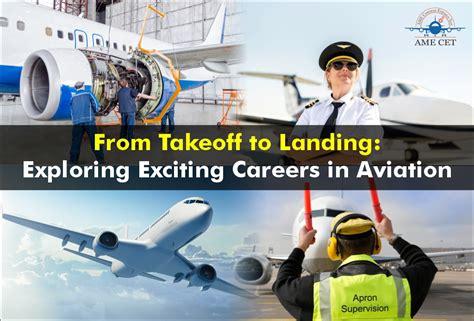
Aviation Careers remain some of the most dynamic, challenging, and rewarding professions across the global workforce. As the aviation industry evolves to meet growing passenger demands, technological advancements, and stringent safety standards, the diversity of roles within it has never been more evident. From piloting commercial jets to engineering high-performance aircraft systems, aviation professionals play essential roles in maintaining the seamless operation of air transportation systems worldwide.
At its core, the aviation sector is a meticulously organized ecosystem. Each component—whether it’s operations, safety, engineering, or customer service—is tied to a broader framework built on precision, regulation, and human expertise. Individuals drawn to this field often exhibit a deep appreciation for mechanical systems, spatial awareness, and international connectivity.
What Makes Aviation Careers Appealing?
For aspirants looking to break into aviation, the attraction often stems from the excitement of flight, the prestige of working in a high-skill environment, and the opportunity to travel or influence global logistics. But there’s more beneath the surface. Aviation careers offer exceptional growth trajectories, often backed by specialized training, strong union support, and above-average salary benchmarks.
Professionals in this field are required to adapt quickly, stay up-to-date with emerging technologies, and comply with global aviation standards set by organizations like the FAA, EASA, and ICAO.
Commercial Pilots and Flight Instructors
Perhaps the most iconic figure in aviation is the commercial pilot. Commanding a commercial airliner requires not only impeccable flying skills but also real-time decision-making under pressure. Pilots monitor instruments, weather data, and air traffic control communications, executing every maneuver with precision. Their path usually begins with flight school, obtaining a Commercial Pilot License (CPL), and accruing hours toward an Airline Transport Pilot License (ATPL).
Flight instructors, on the other hand, play an indispensable role in shaping the next generation of pilots. Their responsibilities extend beyond mere simulation or co-piloting; they instill foundational skills and aviation discipline. Their combination of in-flight training, simulator instruction, and academic guidance creates a comprehensive learning environment.
Aviation Maintenance and Mechanics
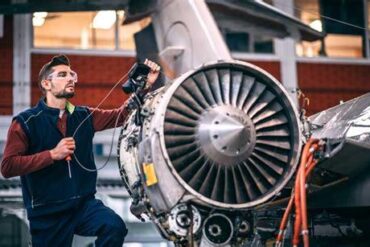
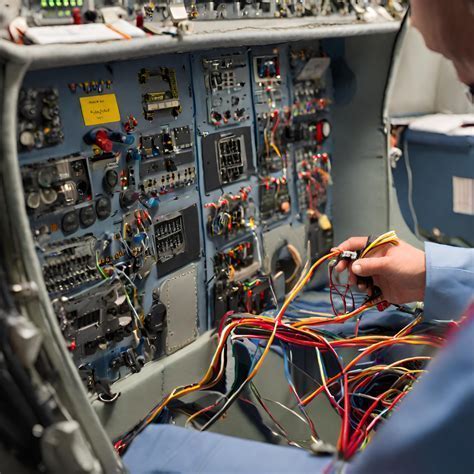
Behind every safe flight is a team of certified technicians and aircraft maintenance engineers (AMEs). These professionals inspect, troubleshoot, and repair complex systems ranging from engines to avionics.
Key roles include:
-
Aircraft mechanics, who focus on structural repairs and mechanical components.
-
Avionics technicians, who specialize in electronic systems like navigation, radar, and communication.
The Federal Aviation Administration (FAA) mandates that all commercial aircraft undergo routine maintenance checks—A, B, C, and D checks—each varying in depth and frequency. Maintenance professionals must log every inspection and repair detail to ensure compliance.
Air Traffic Controllers: Masters of the Skies
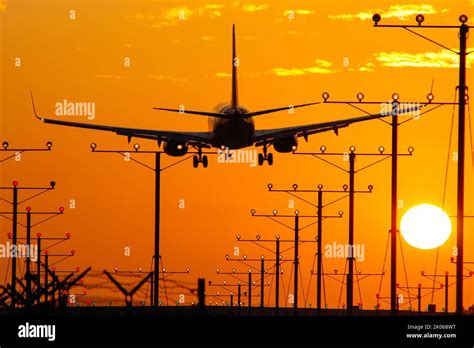
Aviation’s unsung heroes are the air traffic controllers (ATCs). Stationed in towers, approach facilities, and en-route centers, they ensure that aircraft maintain safe distances from one another during takeoff, flight, and landing. Using radar systems and voice communication, ATCs manage a symphony of air traffic, all while accounting for weather conditions, emergencies, and route adjustments.
Becoming an ATC is no small feat. In the U.S., candidates typically undergo rigorous training through the FAA Academy. Their split-second decisions are pivotal in preventing mid-air collisions and reducing delays in heavily trafficked airspace.
Aviation Law and Compliance
As aviation operations intersect with national borders and international law, aviation lawyers have become vital to the industry. These professionals advise airlines, manufacturers, and passengers on compliance issues, liability claims, and contractual negotiations.
Their work encompasses areas such as:
-
Airspace and airport regulation
-
Safety standard enforcement
-
Accident investigation representation
-
Environmental impact legislation
Legal experts in this niche must possess in-depth knowledge of international conventions like the Chicago Convention and be adept in handling complex jurisdictional matters.

Flight Attendants and Passenger Safety
Flight attendants are more than customer service personnel—they’re trained safety professionals capable of responding to in-flight medical emergencies, security threats, and evacuation procedures. Their training includes CPR, firefighting, and conflict de-escalation, conducted under strict airline and regulatory guidelines.
They’re also instrumental in enhancing passenger experience, balancing their safety responsibilities with high-quality service delivery on short-haul and long-haul flights alike. In many international airlines, multilingual proficiency and cultural sensitivity are highly valued skills.
Support Roles: Refueling, Cargo, and Cleaning
While pilots and ATCs may draw more attention, ground support staff are equally crucial to operational continuity.
-
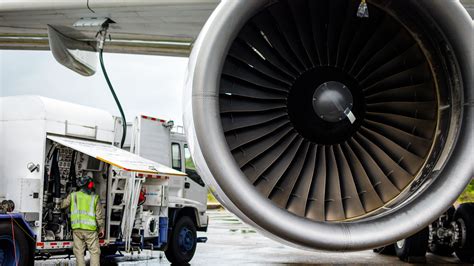
Aircraft refuelers ensure planes are loaded with the correct fuel type and volume, often under harsh weather conditions.
-
Cargo agents coordinate logistics for freight shipments, managing manifests and customs documentation.
-
Aircraft cleaners maintain hygiene standards, ensuring each plane is turned around swiftly for the next flight cycle.
These professionals work in high-pressure environments and are frequently tasked with turnaround times measured in minutes, not hours.
Aeronautical and Flight Test Engineering
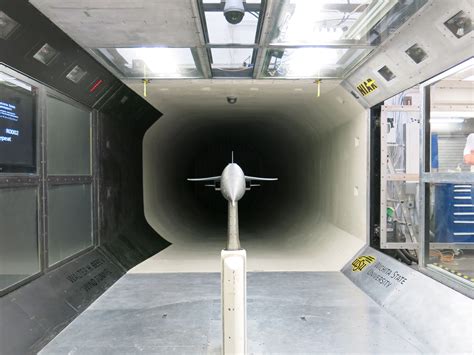
Aeronautical engineers are the creative minds behind aircraft design. From fuselage structures to engine aerodynamics, they develop and test components that meet regulatory and performance benchmarks. Their work often overlaps with material science, structural analysis, and computational fluid dynamics (CFD).
Flight test engineers, meanwhile, bridge the gap between design and deployment. Working with prototype aircraft, they plan and analyze test flights, collaborating with test pilots and instrumentation teams to validate safety and performance metrics.
Aviation Management and Leadership
The backbone of airline and airport operations lies in aviation management. These professionals coordinate departments, allocate budgets, and ensure regulatory compliance across the board. Whether managing personnel logistics, fleet operations, or vendor contracts, their work enables airlines to maintain profit margins while adhering to safety and service expectations.
Effective managers often come from technical or flight backgrounds, allowing them to make informed decisions that balance operational feasibility with strategic objectives.
The Future of Aviation Careers
Technological trends are rapidly reshaping the aviation workforce. From sustainable aviation fuel (SAF) initiatives to AI-powered air traffic systems and electric propulsion aircraft, the industry is transitioning into a greener, smarter phase.
These advancements will create new career paths:
-
Drone operators and UAV engineers
-
Sustainability officers for airlines
-
Cybersecurity analysts for avionics systems
As these fields evolve, upskilling and continuous education will become vital. Institutions and certification programs must align with these trends to produce graduates ready for future-ready aviation roles.
FAQs
What qualifications are needed for a career in aviation?
Aviation careers vary widely in their requirements. Pilots need flight school and licensing (CPL, ATPL), while engineers typically require degrees in aerospace or mechanical engineering. Ground staff may begin with technical diplomas or on-the-job training, while management and legal roles often require university degrees and specialized certifications.
Are aviation careers high-paying?
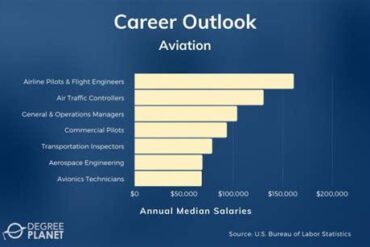
Yes, many aviation roles offer above-average salaries. Pilots, flight engineers, and aviation lawyers often earn six-figure incomes with experience. However, roles like baggage handlers or ticket agents typically offer moderate pay, although they can lead to higher-level positions through internal mobility.
Is the aviation industry stable for long-term employment?
Despite economic fluctuations, aviation has shown strong recovery trends post-pandemic. Technological growth and global travel demands continue to drive hiring in areas like maintenance, cargo logistics, and air traffic control. Long-term employment is promising, particularly for those in technical or regulatory roles.