Lighting control systems give air traffic controllers the tools they need to manage all lighting across an aerodrome. These systems play an important role in keeping runways, taxiways, and approach paths visible and safe for pilots—especially during changing visibility conditions. Let’s take a closer look at what these systems offer and how they work in different situations.
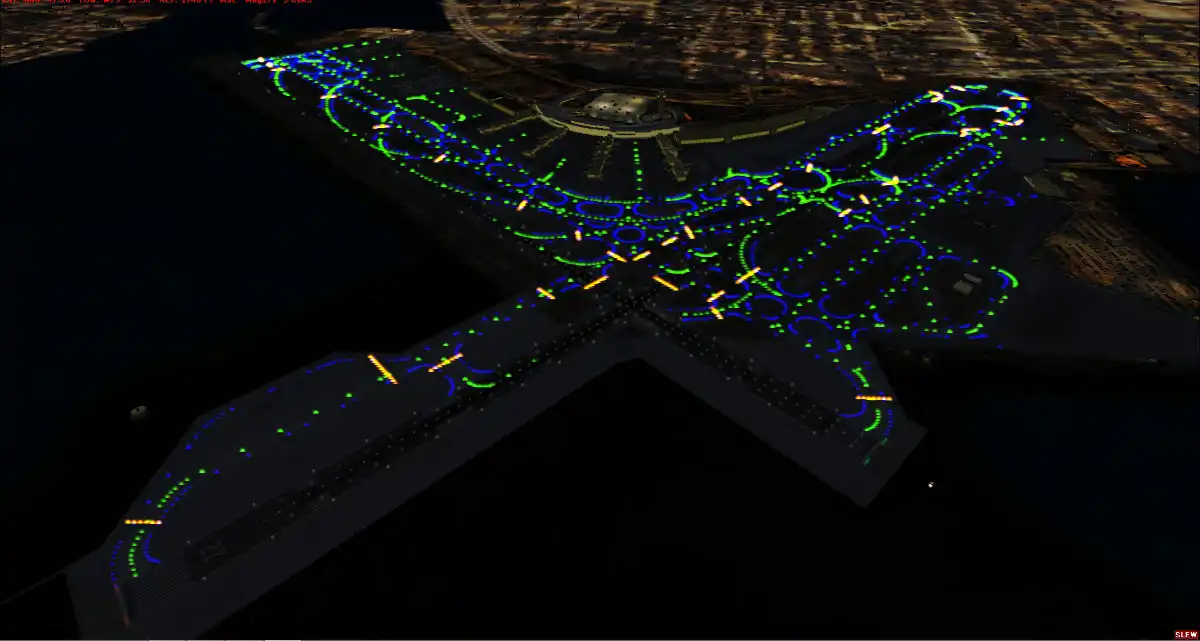
One of the most useful features is standard configurations. These allow the controller to select a lighting setup that fits a specific condition—like “daytime,” “nighttime with good visibility,” or “reduced visibility below 300 meters”—with just one button. This saves time and ensures that the correct lights are activated for the current scenario.
A similar feature is runway switching. If operations shift to a different runway, often in the opposite direction, the system can quickly adjust the lights to match the new setup. This is especially helpful when wind changes or operational demands require a fast switch.
Controllers can also adjust the intensity of individual lights, such as approach lights, touchdown zone (TDZ) lights, or visual approach slope indicator systems (VASIS). This might be done when a pilot asks for dimmer lights, especially at night or in low-visibility settings. The system allows full manual control of each light type too, which is useful for troubleshooting or if the automated configurations aren’t available.
Stop bar management is another key part of lighting control. It helps manage traffic flow on the ground and ensures that aircraft don’t move onto runways without clearance. This feature can be handled manually or automatically, depending on how the system is set up.
In some cases, controllers need to release control of the system. This might happen during maintenance or testing, when technical staff need access. When this feature is activated, it temporarily locks the controller out to avoid any overlap in commands.
Lighting control systems can also be used to send emergency signals. For example, flashing runway or taxiway lights tell pilots to vacate the runway immediately and look to the tower for visual instructions. This feature is especially useful if a radio failure occurs or a pilot doesn’t respond to voice communication.
If a problem comes up, the system usually offers troubleshooting details, such as identifying which specific light set has failed. This helps technicians respond quickly and keeps the airfield operating safely.
The design of the control panel varies between airports. Smaller aerodromes often use simple toggle or rotary switches with clear labels. These are affordable and easy to maintain. Some systems use facsimile panels, which display a layout of the airfield with buttons located where the lights are placed. These panels offer a more visual way to operate the system. The most advanced setup is the touchscreen interface, which works like a computer monitor. These allow for high levels of customization and are generally easier to update or expand.
In short, lighting control systems are designed to give air traffic controllers precise, reliable control over airfield lighting. From preset configurations to manual adjustments, they ensure pilots always have the visibility they need for safe operations.