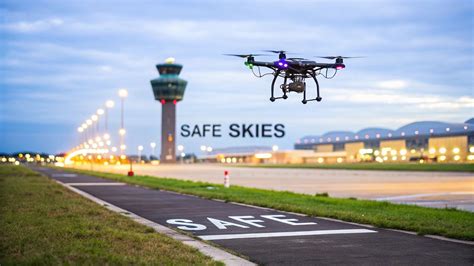
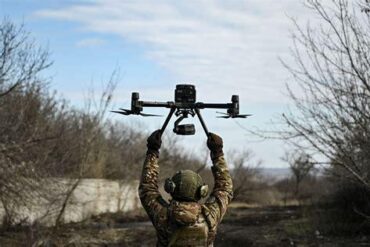
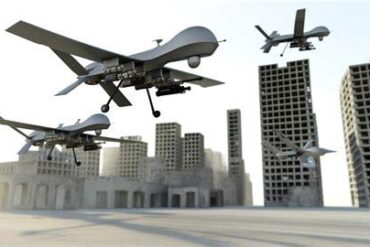
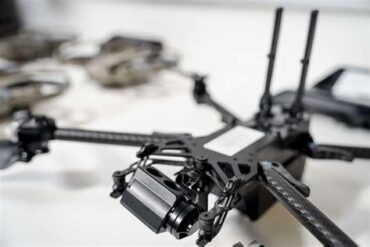
As drones soar into the airspace of modern life—monitoring battlefields, surveilling nuclear facilities, and even interrupting the tranquility of public events—their presence has escalated from curiosity to a real, often dangerous concern. Unmanned aerial vehicles (UAVs), once reserved for military reconnaissance, have become tools of sabotage, terrorism, and intrusion. In response, the global security sector has shifted its attention toward anti-drone systems, a new frontier in technology designed to counter these skyborne threats.
The proliferation of consumer and commercial drones, often purchased for under $1,000, has outpaced regulation and enforcement. Their agility, affordability, and growing capabilities make them attractive not only to hobbyists but also to malicious actors. From airports to correctional facilities, and nuclear plants to parade routes, drone incidents have multiplied, forcing urgent innovation in countermeasures.
Kinetic Defenses and the Cost of Collateral Risk
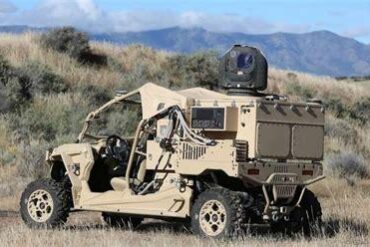
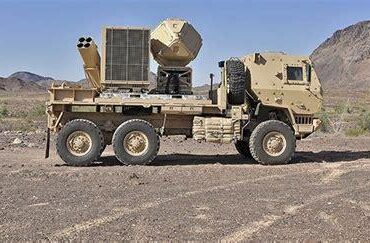
The most primitive line of drone defense—kinetic systems—remains widely used in certain regions. These involve physical projectiles: bullets, nets, missiles, or intercepting drones designed to disable or destroy unauthorized UAVs. Despite their brute effectiveness, they carry significant drawbacks. Not only can projectiles miss their targets, but they can also cause collateral damage. In a striking case in 2022, 12 civilians were injured in Saudi Arabia after counter-drone projectiles used against a Houthi drone exploded near populated areas, raining down debris.
Such events highlight the inherent dangers of relying solely on force to control the skies. The prospect of debris falling on homes, cars, or event-goers renders kinetic defenses ill-suited for urban environments or public gatherings. Nevertheless, they remain an important fallback in high-threat zones where collateral damage is a calculated risk.
The Double-Edged Sword of RF Jamming
A more technically sophisticated solution involves jamming the radio frequencies (RF) that control drones. By scrambling the signal between drone and operator, these systems can cause the UAV to land abruptly or return to its launch point. It’s a relatively simple and effective mechanism—but it comes with consequences. RF jamming isn’t precise; it often interferes with broader communication systems like emergency response radios, internet networks, and aviation channels.
This broad disruption makes jamming a high-risk tool, particularly near critical infrastructure or densely populated zones. Emergency services and aviation authorities, whose communications cannot afford a second of downtime, are especially vulnerable. Therefore, despite their efficacy, jamming solutions must be deployed with caution and in highly controlled environments.
EnforceAir and the Rise of Drone Hacking Technologies
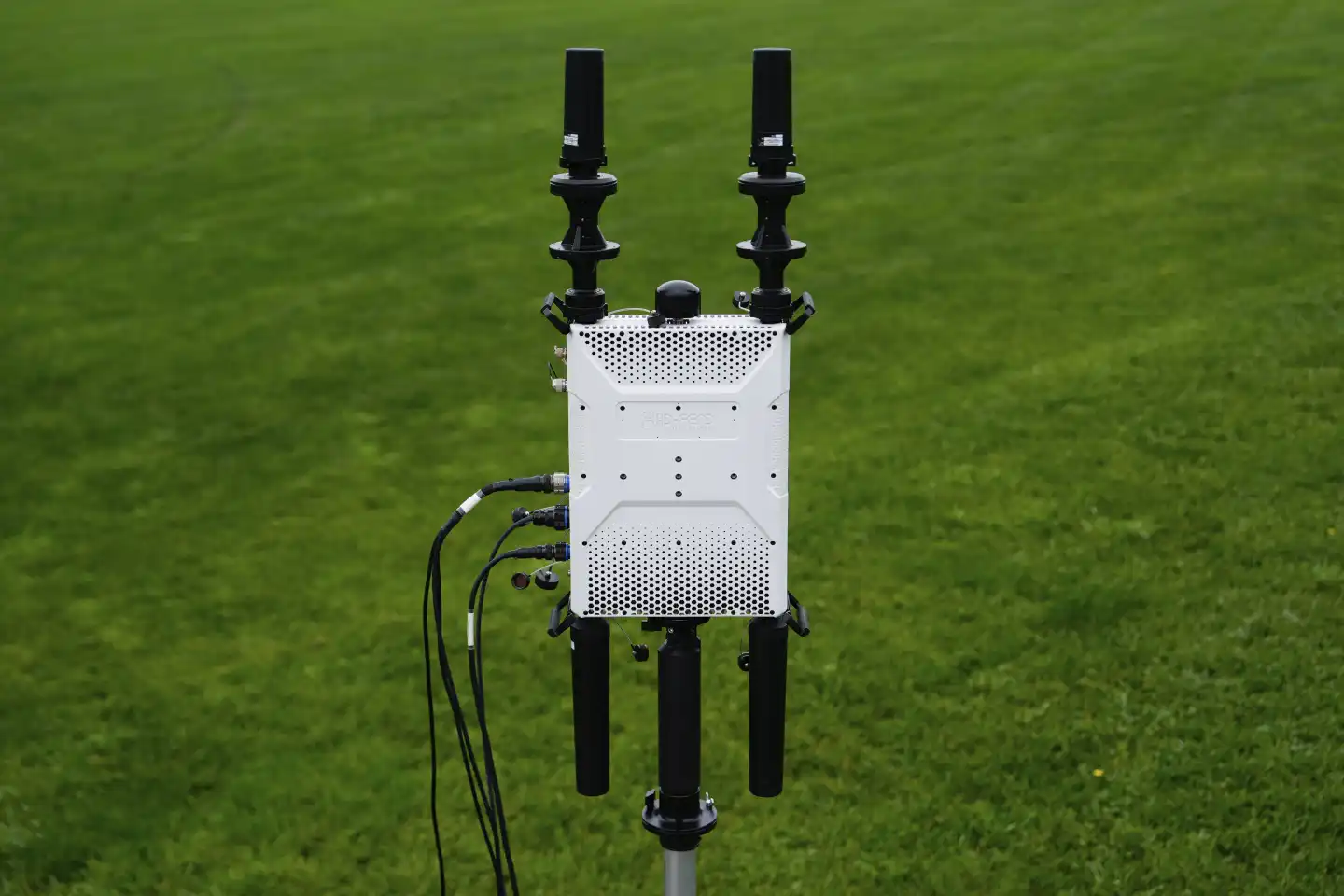
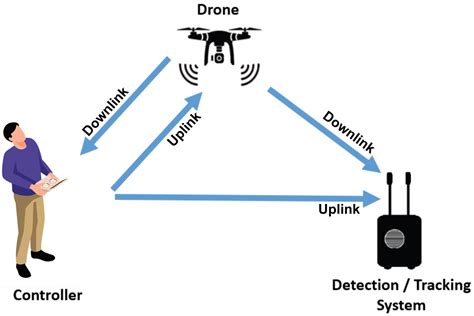
Among the most revolutionary advancements in the anti-drone arsenal is the emergence of cyber takeover systems. Israeli tech firm D-Fend Solutions has pioneered this approach with their signature platform, EnforceAir. Rather than destroy or jam, EnforceAir hijacks enemy drones mid-flight, taking command of the UAV’s navigational systems.
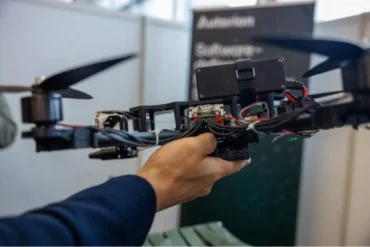
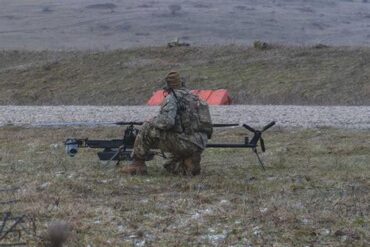
This sleek piece of hardware, often mounted on tripods, vehicles, or even carried in backpacks, utilizes software-defined radio to intercept and gain full control over rogue drones. In a recent demonstration in suburban Washington, the system detected an incoming drone, intercepted its command link, and safely landed it within a secure perimeter.
“We detect the drone, we take control and we land it,” explained Jeffrey Starr, Chief Marketing Officer of D-Fend Solutions. The advantages are profound. Not only is no damage inflicted, but authorities can study the intercepted drone, analyze its data, and determine the motive behind its intrusion. For hobbyists who accidentally violate no-fly zones, this also avoids criminal penalties and equipment loss.
The Battlefield Comes Home: Civilian Targets and Expanding Threat Zones
What was once a battlefield tactic has now crept into everyday life. Drones have flown over prisons, dropping contraband. They’ve interrupted commercial flights, caused evacuations at sports arenas, and attempted espionage at national defense facilities. Their misuse has outpaced civilian enforcement capabilities, and the need for real-time, location-aware detection and response systems has never been more urgent.
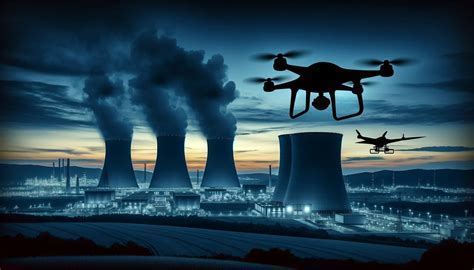
Zachary Kallenborn, a national security analyst and expert in drone warfare, emphasized the gravity of the situation. “An adversary can use an off-the-shelf drone they bought for $500 and find out what’s going on at U.S. nuclear weapons bases,” he said. “China, Russia, Iran—if they’re not doing it, they’re stupid.”
Federal Regulation: Playing Catch-Up in an Unmanned World
Yet even as the technology races forward, legislation remains woefully behind. Current U.S. federal laws treat drone threats as aviation incidents—policies shaped in an era dominated by manned aircraft. Local and state law enforcement, bound by federal restrictions, often lack the authority to deploy counter-drone systems, even when faced with immediate and credible threats.
DJ Smith, senior technical surveillance agent at the Virginia State Police, acknowledged this disparity. “We want to detect, we want to track, we want to identify,” he noted. But without updated legislation, his department remains hamstrung, unable to legally neutralize suspicious drones even when their risk is clear.
To address this, Rep. Cory Mills, a Florida Republican, introduced a bill that would empower local law enforcement to use DHS- and FAA-approved anti-drone tools at large events. The legislation aims to create a more nimble and responsive framework—bridging the legal gap between rising drone threats and the agencies tasked with public safety.

Toward a Drone-Safe Future: From Airports to Pipelines
The use cases for anti-drone systems are expanding rapidly. Airports, among the most sensitive civilian infrastructures, have reported drone intrusions that grounded flights and disrupted operations. Water treatment plants, natural gas pipelines, and shipping ports—all critical to national stability—are now considered vulnerable to aerial surveillance or sabotage.
With the growth of smart cities and critical IoT ecosystems, drone intrusions represent not just physical threats but data security vulnerabilities. A drone flying over a 5G tower or electrical substation might be collecting metadata, conducting facial recognition, or even preparing for an electromagnetic interference (EMI) attack.
Emerging anti-drone platforms are now being developed with AI-driven detection, pattern analysis, and automated neutralization protocols that operate with minimal human intervention. Some are being integrated directly into the security infrastructure of buildings and campuses—acting like CCTV cameras in the sky.
A Hybrid Defense: The Future of Drone Countermeasures
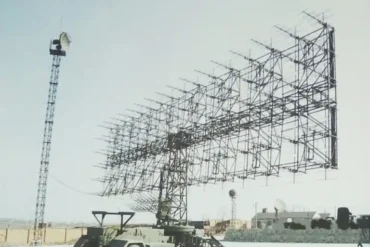
The direction of anti-drone technology is clear: no single solution is enough. Instead, experts anticipate a hybrid model blending kinetic, jamming, and hacking systems tailored to each context. Critical installations might use layered defense perimeters, starting with detection radars, followed by RF disruption, and concluding with cyber hijack solutions like EnforceAir.
With federal policy modernization and public-private cooperation, this ecosystem could evolve rapidly. D-Fend Solutions and others like it are working closely with defense agencies and civil aviation authorities to certify and deploy these systems in wider environments.
The skies, once empty and untouchable, have become the next great frontier of law enforcement, military defense, and cyber warfare. And with drones occupying the air above us more each day, countermeasures must not only keep up—they must lead the way.