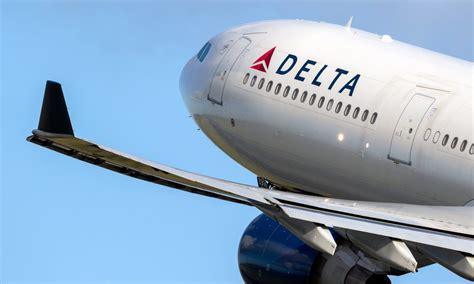
In an unprecedented collaboration set to reshape the skies, Delta Air Lines has officially partnered with DraftKings, launching what could be the first phase of in-flight gambling in the aviation industry. Though initially limited to non-monetary, simulated gaming, this strategic move hints at a future where travelers could wager real money at 35,000 feet. As regulatory landscapes evolve and technology advances, this partnership could have far-reaching implications for airline business models, passenger engagement, and global tourism economies.
A Strategic Alliance That Changes the Game
Announced in July 2025, the Delta–DraftKings partnership will begin with the rollout of interactive sports and casino-style games on Delta’s Delta Sync Wi-Fi platform by year-end. While users won’t be able to gamble with real money due to strict FAA restrictions and the enduring Gorton Amendment, this collaboration still represents the first major step toward legitimizing gaming in the skies.
Delta’s decision to launch these games free for SkyMiles members is as much a data-gathering exercise as it is a customer experience upgrade. By allowing passengers to engage in fantasy sports contests, simulated blackjack, roulette, and other betting-themed games, Delta will collect valuable behavioral data that could guide future monetized versions, should legislation shift.
The Legal Headwinds: Why Real Betting is Still Grounded
Despite widespread legalization of sports betting in the U.S. since the 2018 Supreme Court ruling overturning PASPA, the federal aviation framework continues to obstruct real-money wagering on flights. The Gorton Amendment, still in force, prohibits gambling devices aboard aircraft operating in U.S. airspace. Even if individual states welcome sports betting, jurisdictional complexities in the air—crossing borders, flying over international waters—make regulatory clarity elusive.
This complex legal tapestry forces airlines like Delta to innovate within current boundaries. As noted by analyst Ryan Butler of Covers.com, the move is “strategic positioning” rather than immediate monetization. Airlines know that regulatory reform is slow, but they are eager to be first movers in what could become a lucrative frontier.
In-Flight Gaming as a Revenue and Loyalty Tool
For Delta, the value proposition is twofold: deepen passenger engagement and open new revenue channels. The free, brand-associated DraftKings games serve as more than entertainment—they’re a gateway into building emotional and brand loyalty with frequent fliers.
By gamifying the flight experience and providing a fresh interactive component, Delta stands to elevate the perceived value of long-haul flights. Travelers on transcontinental or international routes—where boredom often sets in—will now have the chance to immerse themselves in sports-themed trivia, predictive games tied to real-time matches, or casino simulations that bring a dash of Vegas to the cabin.

Transforming the Tourism Experience at 35,000 Feet
This shift in the in-flight entertainment paradigm could have tangible effects on tourism patterns and consumer behavior. With airlines now positioning themselves as extensions of destination experiences, flights could become the first touchpoint of a trip, offering a preview of local attractions or hosting games tied to the traveler’s endpoint.
Imagine boarding a flight to Las Vegas, and as soon as the seatbelt sign turns off, being offered a taste of the city’s casino culture via gamified simulations. Or flying to London during a major football match week and playing in predictive fantasy tournaments while en route. These experiences not only entertain but also act as immersive marketing campaigns for local tourism boards, hotels, and events.
In this scenario, airlines don’t just transport passengers—they prime them psychologically for the experiences ahead. That shift could mean more engaged travelers, higher tourist spend, and increased satisfaction, especially if real incentives (such as discounts, loyalty points, or VIP access) are eventually tied to in-flight game performance.
DraftKings’ Positioning and Long-Term Play
For DraftKings, this partnership with Delta offers a channel into a largely untapped vertical. While mobile sports betting has exploded on land, the sky has remained legally inaccessible. By aligning with Delta early, DraftKings is positioning itself to be the default in-flight gaming brand if and when regulation catches up.
The company stands to gain enormous first-mover advantages, building brand familiarity among millions of fliers. As the gaming interface is integrated into Delta’s digital ecosystem, it enables cross-platform engagement: passengers who try games in the sky may later become land-based DraftKings customers once they land, creating 360-degree engagement loops.
Data: The Quiet Backbone of the Strategy
While much attention focuses on the legal and entertainment facets, another critical piece of this puzzle is data. Through this initiative, Delta will gain unprecedented insight into passenger preferences, engagement duration, genre interest, and even seasonal trends in travel behavior.
Such data becomes a priceless asset for not only personalizing future in-flight offerings but also segmenting high-value customers. Are business travelers more likely to engage in sports trivia? Do leisure fliers enjoy roulette simulations? These micro-insights could fuel AI-driven content curation, onboard advertising, and even partnerships with travel destinations that tailor messaging en route.
A Catalyst for Regulatory Reform?
Though real-money in-flight gambling remains technically illegal, there’s a growing belief that public interest and technological feasibility will eventually force a legal reappraisal. As more states adopt online betting laws, and as airlines demonstrate secure, location-aware software systems capable of geo-fencing gameplay, it may become harder for federal authorities to maintain an outright ban.
A gradual, tiered approach to legal gambling—perhaps starting with international flights or on aircraft registered in countries with liberal gaming laws—might be the first path forward. Alternatively, the industry could see a relaxation of restrictions for loyalty point wagering, virtual currencies, or sweepstakes models that mimic the gambling experience without triggering legal thresholds.
Challenges Ahead: From Ethics to Tech
Despite the excitement, obstacles abound. Technical hurdles include maintaining secure, low-latency connections at altitude and ensuring fraud-proof systems. Ethically, critics may question the promotion of gambling behaviors in a closed environment where passengers cannot opt out of exposure. Regulatory clarity must also be achieved on consumer protections, age restrictions, and responsible gaming protocols.
Airlines will need to be transparent and proactive in addressing these concerns if they hope to expand gaming offerings beyond the novelty phase. Clear opt-in policies, screen time limits, parental controls, and educational pop-ups about responsible gaming may become part of this evolving in-flight ecosystem.
The Sky’s Not the Limit—It’s the Launchpad
Delta’s alliance with DraftKings is more than a tech upgrade—it’s a visionary play that redefines how air travel intersects with entertainment, technology, and tourism. It signals that the future of flight is not just about speed or destination, but about experience, immersion, and engagement.
As legislation shifts and public acceptance grows, we may soon witness a golden age of aerial gaming, where airlines compete not just on ticket prices and legroom, but on how entertaining the journey is itself. The skies of tomorrow may look very different—buzzing with predictive gaming, destination-themed casino games, and real-time digital leagues.
And while real-money gambling remains beyond the clouds for now, the foundation being laid today is undeniable. For Delta, DraftKings, and the broader aviation industry, the flight toward the future of in-flight gambling has already begun.