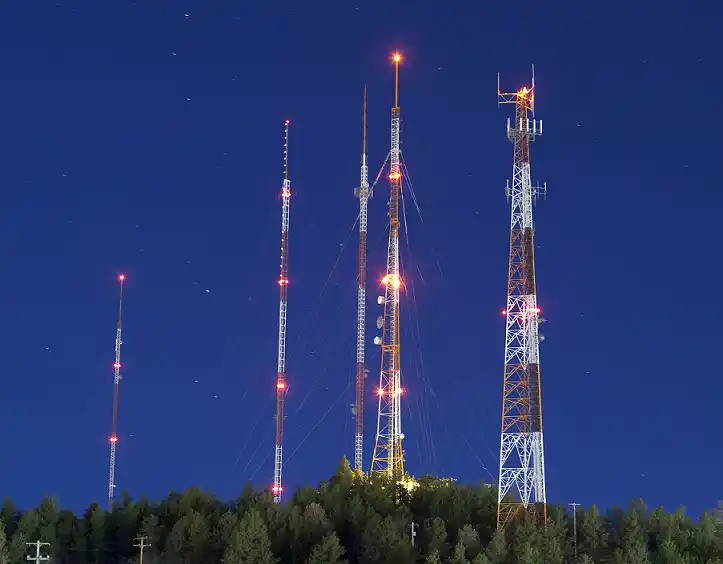
Aviation obstruction lighting is a critical component of modern airspace infrastructure. As aviation becomes increasingly integrated into urban and rural environments alike, the need to safeguard aircraft from collisions with tall structures—from telecommunications towers to wind turbines—has never been more pressing. These lighting systems are designed to make obstructions visible to pilots under various atmospheric and lighting conditions, reducing the risk of midair accidents, especially during low-altitude operations, adverse weather, or nighttime flight.
Purpose and Functionality of Aviation Obstruction Lighting
At its core, aviation obstruction lighting serves one mission: to ensure obstacles are visible and distinguishable at all times. This visibility is vital in both controlled and uncontrolled airspace where aircraft might operate closer to ground level due to takeoffs, landings, or route deviations. National and international aviation authorities—including the Federal Aviation Administration (FAA) in the United States and the International Civil Aviation Organization (ICAO)—mandate specific regulations governing the use, placement, and characteristics of obstruction lights.
The most common applications include:
- Broadcast masts and telecommunications towers
- High-rise buildings and skyscrapers
- Cranes used in construction zones
- Power transmission pylons and overhead lines
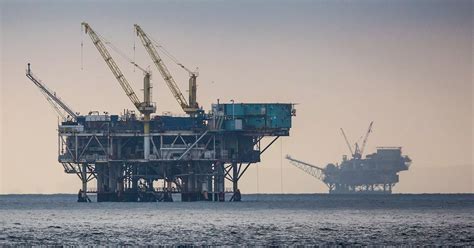
- Wind turbines and offshore platforms
These systems are not optional. Structures exceeding certain heights or located near airports are required to implement obstruction lighting according to strict standards.
Types of Aviation Obstruction Lights and Their Specifications
Modern aviation lighting systems fall into two primary categories based on color and illumination style: red obstruction lights and white strobe lights. Each serves a specific operational purpose and is subject to geographic, environmental, and regulatory considerations.
Red Obstruction Lighting
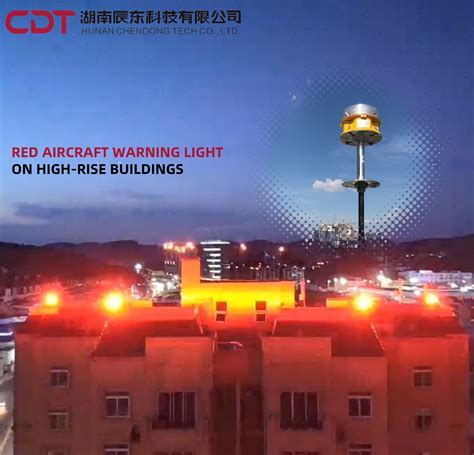
Red lights are either steady-burning or slowly flashing. Traditionally powered by incandescent bulbs, they have evolved significantly with the advent of high-powered LEDs, which offer increased lifespan and energy efficiency. Red lights are preferred in urban environments due to their reduced light pollution and high visibility against city skylines.
In recent years, regulatory updates in the UK and elsewhere have led to restrictions on xenon lights, especially during nighttime operations, further boosting the shift to LED-based red beacons.
White Strobe Lighting
White strobes are primarily used for daytime marking and are visible from miles away. These come in two intensity classes:
- Medium-intensity strobes (used for structures 200–500 feet tall) flash 40 times per minute and output 20,000 candelas during the day, dropping to 2,000 candelas at night.
- High-intensity strobes (used for structures above 700 feet) emit up to 270,000 candelas in daylight and must be deployed in triplets to provide 360-degree visibility. These are often used to reduce the need for costly paint maintenance.
The Rise of Dual Lighting Systems
To address both daytime and nighttime visibility needs, dual lighting systems combine white strobes for daytime with red beacons for night. These systems are increasingly popular in areas near populated zones, as they reduce visual discomfort to residents and meet regulatory standards without requiring painted markings.
One of the key advantages is the built-in redundancy. When the red light fails, the white strobe can automatically shift to its night mode, ensuring uninterrupted visibility for approaching aircraft.
Lighting for Power Transmission Infrastructure
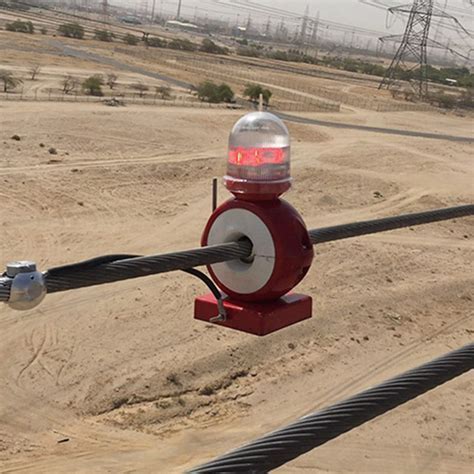
Lighting for electric transmission towers presents unique challenges. Traditional wiring methods may not be viable due to the high-voltage environment. Two power extraction methods have emerged:
- Capacitive coupling: Uses the electric field around conductors to energize lights. Requires suspended parallel conductors and long insulator strings.
- Magnetic induction: Relies on Faraday’s law to draw power from the current-carrying conductor using devices like Rogowski coils. This technique supports up to 440 kV and is effective across a wide frequency range (50–60 Hz).
These systems are especially valuable for marking long catenary spans, which pose a grave risk to low-flying aircraft and helicopters.
Strategic Light Positioning and Installation Standards
Installation practices are guided by ICAO and national aviation authorities. Lights are typically arranged in clusters around the structure’s top and equidistant intermediate levels to provide visibility from all approach angles.
A notable example is the Belmont transmitting station in the UK, which features nine clusters of red lamps evenly spaced along its height. Structures with antennas over 40 feet above the main structure must have strobes placed above the antenna tip for full visibility.
For suspension wires, special flash patterns are mandated. FAA regulations require high-tension line strobes to flash in sequence: middle, top, then bottom—providing a visual cue that wires are present.
Non-Standard and Historical Lighting Solutions
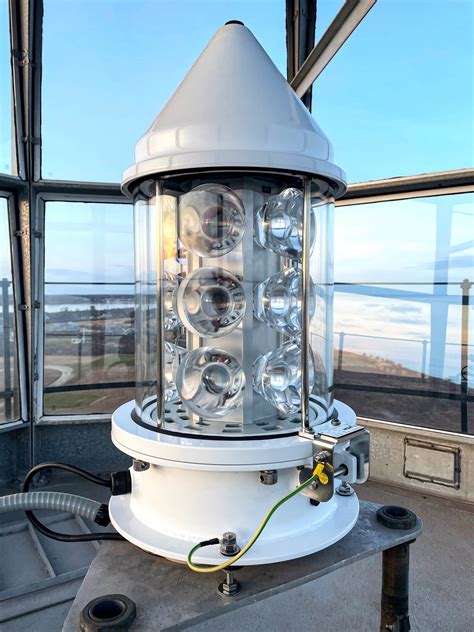
Before modern obstruction lights, certain landmarks used aerial lighthouses—rotating beacons similar to maritime lighthouses. These were common in early aviation navigation and were installed on towers like the Stuttgart TV Tower, the Eiffel Tower (1947–1970), and mountain peaks across Europe and North America.
Some examples still in operation include:
- The rotating light atop RAF Cranwell in the UK
- Several Spanish military airbases with functional aerial lighthouses
- The Suomenlinna Church in Helsinki, Finland, with a beacon installed in 1929
The Role of Aircraft Warning Paint in Daytime Visibility
In addition to lighting, aviation safety regulations require structures above 200 feet to be painted with alternating bands of international orange and white. This color scheme improves visibility during the day and is particularly useful when combined with lighting systems.
However, painting is expensive and labor-intensive. Consequently, many modern structures utilize lighting systems that meet visibility standards without requiring paint. This is particularly true for dual lighting systems, which are designed to offer sufficient visibility to offset the absence of color markings.
Environmental Considerations and Light Pollution Mitigation
While essential for safety, aviation obstruction lighting can contribute to light pollution and avian mortality, particularly where red or white strobes operate continuously. Migratory birds are disoriented by artificial lights, often resulting in fatal collisions with lit structures.
To address these challenges, modern lighting designs include programmable strobes, motion-triggered systems, and the Obstacle Collision Avoidance System (OCAS), which activates lights only when aircraft enter a defined proximity. OCAS also integrates auditory alerts to further reduce the reliance on 24/7 illumination.
Such technologies significantly reduce the environmental footprint while maintaining safety, especially in remote or ecologically sensitive regions.
Conclusion: Future-Proofing Airspace Safety
The evolution of aviation obstruction lighting represents a synergy of engineering, regulatory foresight, and environmental consciousness. As structures grow taller and air traffic becomes denser, ensuring visibility for pilots through reliable, intelligent lighting systems is more important than ever.
With the integration of high-efficiency LEDs, automated monitoring systems, and smart activation technologies, the industry is poised for further innovation. At the same time, adherence to international standards and adaptation to local environmental constraints will remain critical.
Aviation obstruction lighting is not just a compliance requirement—it is a vital safeguard for human life, property, and sustainable aviation growth.