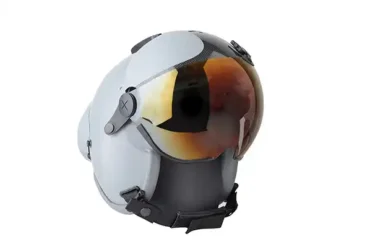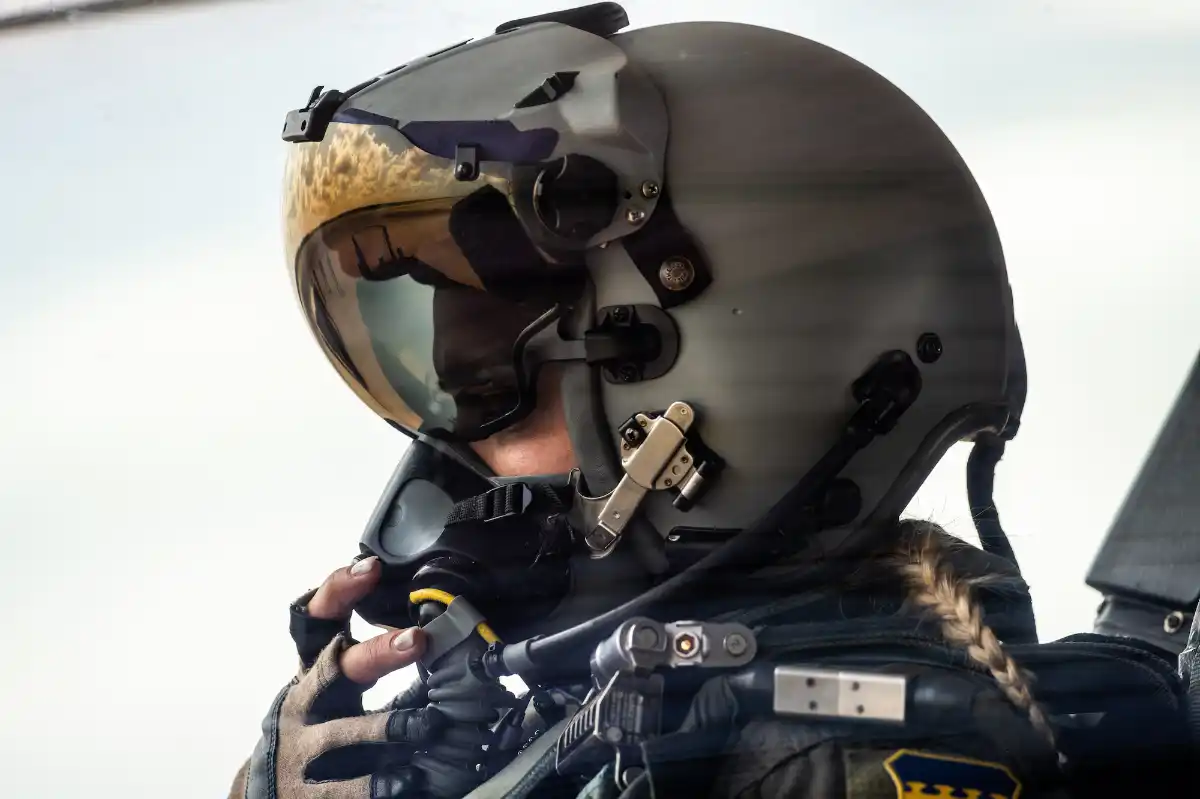
The F-16 Fighting Falcon, one of the most widely used multirole fighter aircraft in the world, requires specialized flight equipment to ensure pilot safety and operational efficiency. A crucial component of this gear is the HGU-55/P helmet, specifically designed for high-G combat environments. Understanding the cost of this helmet and its associated components, such as the MBU-20/P oxygen mask, provides insight into the financial considerations of military aviation equipment.
Cost Overview of the F-16 Helmet
The price of an F-16 helmet varies depending on its configuration, seller, and whether additional accessories are included. Based on recent listings from military surplus and aviation equipment sellers, the cost typically falls within the range of $2,500 to $3,000. This estimate accounts for the helmet shell, oxygen mask, and essential communication components.
The breakdown of costs for a standard HGU-55/P helmet setup includes:
- HGU-55/P Helmet: $1,550 (base price)
- MBU-20/P Oxygen Mask: $995
- Total Estimated Cost: $2,545
These prices align with seller listings from reputable sources such as FlightHelmet.com and Jade Tactical, which offer both new and surplus military-grade helmets.
Breakdown of Cost Components
HGU-55/P Helmet
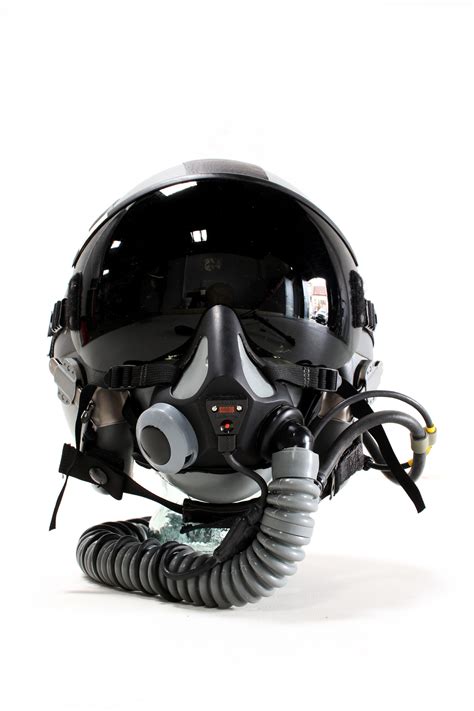
The HGU-55/P, manufactured by Gentex, is the primary helmet used in F-16 and F-15 fighter jets. It is designed for high-G maneuvers, providing impact protection and compatibility with oxygen systems.
Key features include:
- Kevlar-reinforced shell for durability
- Lightweight design to reduce pilot fatigue
- Integrated communication system for real-time coordination
The base cost of the HGU-55/P helmet ranges from $1,200 to $1,550, depending on whether it includes additional features such as a visor assembly or a custom fit.
MBU-20/P Oxygen Mask
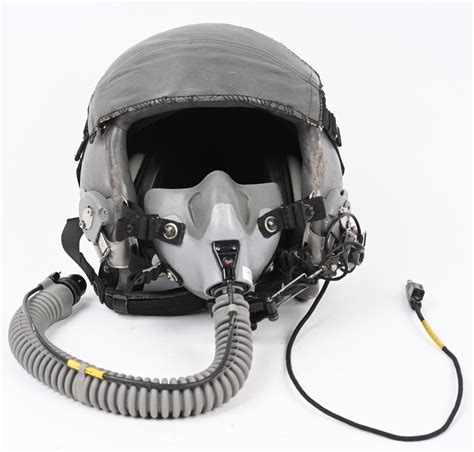
Pilots operating at high altitudes require a reliable oxygen delivery system, which is where the MBU-20/P oxygen mask comes into play. This mask is designed to integrate seamlessly with the HGU-55/P helmet, ensuring sufficient oxygen supply and reducing the risk of hypoxia.
Cost factors for the MBU-20/P include:
- Base price of $995 for a standard model
- Additional $100 to $300 for communication enhancements or protective coatings
The oxygen mask alone constitutes nearly 40% of the total cost of the F-16 helmet setup.
Market Price Variations and Military Procurement
Commercial Listings vs. Military Contracts
While civilian sellers list F-16 helmets within the $2,500 to $3,000 range, actual military procurement costs may differ significantly. Large-scale government contracts often negotiate lower prices due to bulk purchasing and government supplier agreements.
However, specific price details for U.S. Air Force procurement remain undisclosed in publicly available documents. This lack of transparency makes it difficult to determine whether the military pays significantly less per unit compared to private buyers.
Comparison with the F-35 Helmet
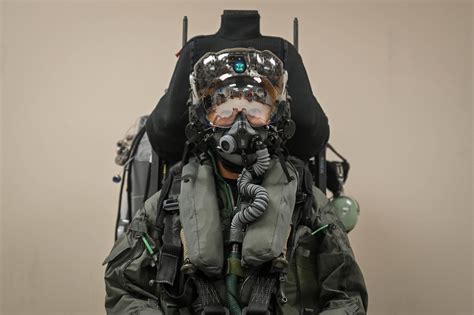
To contextualize the cost of the F-16 helmet, it’s useful to compare it with the helmet used in the more advanced F-35 Lightning II. The F-35 helmet, known as the HMDS (Helmet-Mounted Display System), costs approximately $400,000 due to its advanced technology, including:
- Integrated augmented reality (AR) display
- Six external cameras for a full 360-degree view
- Custom-molded fit for each pilot
In contrast, the F-16 helmet is a more cost-effective solution focused on durability and high-G protection rather than cutting-edge display technology. This explains the significantly lower price tag.
Factors Affecting the Cost of an F-16 Helmet
Several variables influence the pricing of an F-16 helmet, including:
1. Additional Features and Upgrades
Some pilots or collectors opt for custom modifications, such as:
- Advanced communication systems ($200–$500)
- Dual visor assemblies ($300–$400)
- Custom paint finishes or squadron markings ($100–$200)
2. Condition (New vs. Surplus)
- Brand-new helmets command higher prices due to certified materials and full warranty coverage.
- Surplus military helmets may be available at a discount but could have cosmetic wear or missing components.
3. Seller and Supply Chain Factors
Prices vary based on the source—whether the helmet is acquired from government auctions, specialized military suppliers, or online aviation gear retailers. Some sellers offer complete packages, while others sell individual components separately, affecting overall pricing.
Final Cost Estimates from Various Sources
| Source | Helmet Cost (HGU-55/P) | Oxygen Mask Cost (MBU-20/P) | Total Cost | Notes |
|---|---|---|---|---|
| FlightHelmet.com | $1,550 | $995 | $2,545 | Base prices, options for additional features |
| Jade Tactical | Included in $2,699 | Included in $2,699 | $2,699 | Complete package, new condition |
| ClearanceJobs | $1,200–$1,300 | $1,600–$1,700 | $2,800–$3,000 | Historical estimate, may include extras |
Conclusion
The cost of an F-16 helmet, including the HGU-55/P helmet and MBU-20/P oxygen mask, generally falls between $2,500 and $3,000. Market prices from sellers like FlightHelmet.com and Jade Tactical confirm this range, with some variation based on additional features, condition, and procurement practices.
While the F-16 helmet is significantly more affordable than the F-35 helmet, it remains an essential piece of equipment designed for combat readiness, pilot safety, and operational efficiency.
Frequently Asked Questions (FAQ)
1. Why is the F-16 helmet cheaper than the F-35 helmet?
The F-16 helmet lacks the high-tech features of the F-35’s HMDS system, such as integrated augmented reality displays and external cameras. Its design focuses on durability, communication, and oxygen supply, making it a more cost-effective solution.
2. Can civilians purchase an F-16 helmet?
Yes, F-16 helmets are available through military surplus stores and aviation gear retailers. However, some components, such as military-grade communication systems, may be restricted or require special licensing.
3. How often do F-16 helmets need replacement?
Military-grade helmets undergo regular maintenance and periodic replacement based on wear, impact exposure, and technological upgrades. The standard lifespan of an HGU-55/P helmet is approximately 5–10 years before requiring refurbishment or replacement.