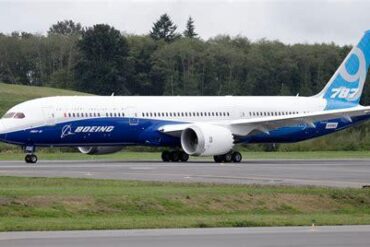
The Boeing 787 Dreamliner represents one of the most advanced commercial aircraft ever built. Introduced as a revolutionary long-haul airliner, the aircraft reshaped expectations around fuel efficiency, passenger comfort, and composite aircraft construction. Yet beneath its sleek carbon-fiber fuselage and technologically sophisticated cabin lies one of the most complex and expensive components in aviation—the engines.
Understanding how much a Boeing 787 Dreamliner engine costs requires more than a simple price tag. These massive turbofan engines represent a combination of cutting-edge materials, advanced thermodynamics, and decades of engineering expertise. Airlines evaluating the Dreamliner often discover that the engines are not only essential for flight performance but also a critical financial decision affecting operating costs for decades.
The propulsion system of the 787 is often the single most influential factor in determining the aircraft’s lifecycle cost. Airlines analyze not only the purchase price but also maintenance structures, reliability history, and service agreements that extend across the aircraft’s operational lifespan.
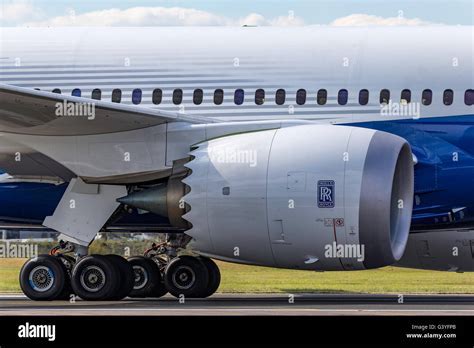
In practice, the real price of a Dreamliner engine emerges through a combination of list pricing, negotiated discounts, maintenance contracts, and operational reliability. These factors together define the true financial impact of powering one of the world’s most sophisticated commercial aircraft.
The Typical Cost of a Boeing 787 Dreamliner Engine
A single engine for the Boeing 787 Dreamliner generally carries a list price between $25 million and $30 million. Since every Dreamliner operates with two engines, airlines purchasing the aircraft typically invest $50 million to $60 million purely for propulsion hardware.
When compared with the aircraft itself, this investment represents a substantial portion of the total value. A Boeing 787-9, one of the most popular Dreamliner variants, lists at roughly $292 million. Engines alone therefore account for 15% to 20% of the aircraft’s total list price, making them one of the largest capital expenditures within the entire aircraft system.
Historical purchase data confirms these figures. For example, in 2018 Air Lease Corporation placed an order for engines powering three Dreamliners valued at more than $170 million at list prices. This placed the approximate cost of each engine at nearly $28 million, aligning closely with industry estimates still used today.
However, the aviation industry rarely pays the full list price. Aircraft and engine purchases are usually negotiated in bulk contracts involving dozens or hundreds of units. As a result, the actual transaction price airlines pay is often dramatically lower than advertised.
Even with discounts, engines remain an enormous investment because they incorporate some of the most advanced engineering in aviation.
Why Dreamliner Engines Are So Expensive
The high cost of a Boeing 787 engine stems from the extraordinary complexity of modern turbofan design. These engines must deliver immense thrust while maintaining fuel efficiency, reliability, and safety over thousands of flights across many years.

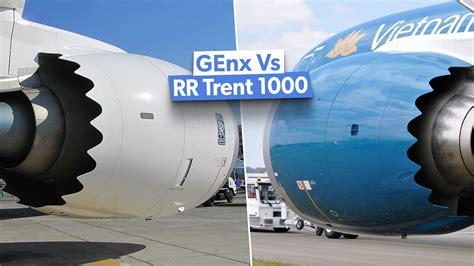
Both engine options available for the Dreamliner—the General Electric GEnx-1B and the Rolls-Royce Trent 1000—represent the pinnacle of modern turbofan engineering. Each engine contains thousands of precisely engineered components built to withstand extreme conditions.
Several factors contribute to the high cost:
• Advanced composite fan blades constructed from carbon fiber to reduce weight while maintaining strength
• 3D-printed metal components that improve cooling and durability
• High-temperature alloys capable of operating above the melting point of traditional metals
• Sophisticated digital engine controls that continuously optimize performance
The Dreamliner also introduced an innovative bleed-less architecture, which dramatically changed how engines interact with the aircraft. Traditional aircraft engines divert pressurized air to operate systems such as cabin pressurization and anti-icing. The 787 instead relies on large electrical generators attached to the engines.
These starter-generator systems produce up to 500 kilowatts of electrical power, enabling the aircraft to run environmental control systems and onboard electronics without bleed air. While this architecture improves fuel efficiency by several percent, it also increases mechanical complexity inside the engines.
The result is a propulsion system that is more efficient but also more expensive to design, manufacture, and maintain.
Engine Options for the Boeing 787
The Boeing 787 is unusual among modern widebody aircraft because it offers airlines a choice between two competing engine manufacturers.
The two available engines are:
• General Electric GEnx-1B
• Rolls-Royce Trent 1000
Each engine delivers similar thrust levels required for the Dreamliner’s various models, including the 787-8, 787-9, and 787-10. However, differences in reliability, maintenance requirements, and long-term operating costs have shaped airline preferences over time.
GE GEnx-1B Engine
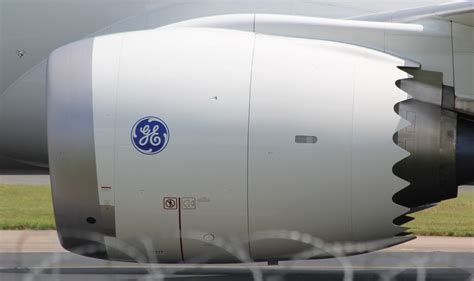
The General Electric GEnx-1B has become the dominant engine powering Dreamliners worldwide. Introduced specifically for the 787 and 747-8, this engine was designed to prioritize durability, fuel efficiency, and simplified maintenance.
Its key characteristics include:
• Thrust rating between 64,000 and 76,000 pounds
• Composite fan blades for weight reduction
• Advanced combustor design reducing emissions
• Long time-on-wing intervals before major overhaul
The GEnx has gained a strong reputation among airlines for consistent reliability, which has helped it capture the majority of the Dreamliner market.
Rolls-Royce Trent 1000 Engine
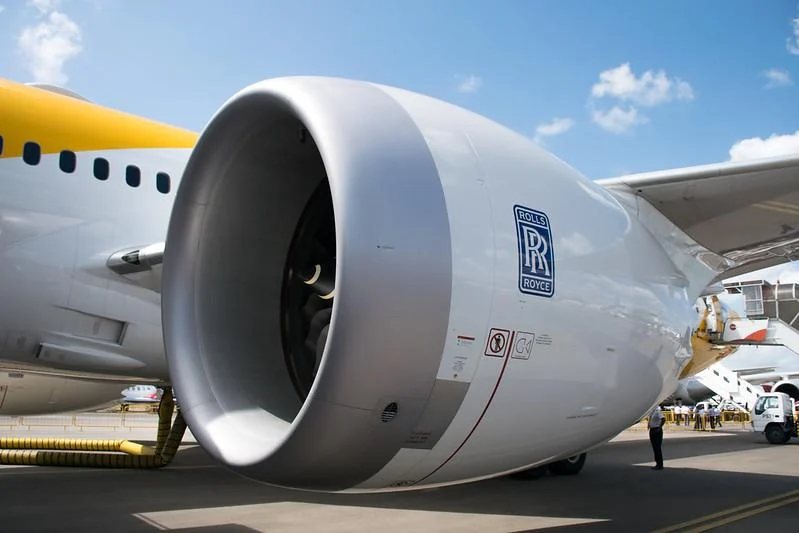
The Rolls-Royce Trent 1000 was the alternative engine developed specifically for the 787 program. Initially praised for promising excellent fuel efficiency, the engine later encountered reliability challenges involving turbine blade durability.
These issues led to premature wear in intermediate pressure turbine components, forcing several airlines to ground aircraft for extended inspections and repairs.
Although Rolls-Royce has introduced improved versions such as the Trent 1000 TEN and Trent 1000 XE, the engine’s earlier reliability problems significantly affected airline confidence.
Actual Transaction Prices and Industry Discounts
While list prices for Dreamliner engines range between $25 million and $30 million, airlines rarely pay those figures in practice. Large fleet purchases involve extensive negotiations where manufacturers offer substantial discounts.
Typical transaction estimates look like this:
| Engine Model | List Price | Estimated Bulk Price | Typical Discount |
|---|---|---|---|
| GE GEnx-1B | $29.5 million | $16.2 million | ~45% |
| Rolls-Royce Trent 1000 | $25.1 million | $15.1 million | ~40% |
These discounts reflect the competitive duopoly between General Electric and Rolls-Royce, which pushes each manufacturer to offer favorable pricing to secure large airline contracts.
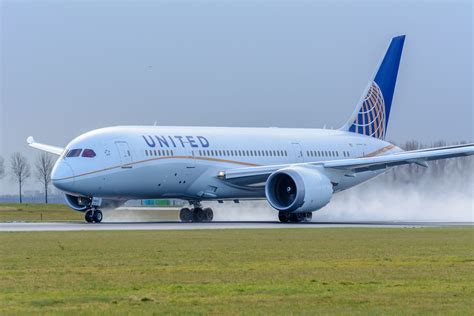
A notable example occurred in 2026 when United Airlines ordered approximately 300 engines to support the expansion of its Dreamliner fleet. By leveraging such a massive order volume, United negotiated pricing significantly below the nominal list values.
Bulk purchases also include spare engines, which airlines maintain to ensure operational reliability. The typical industry rule is roughly one spare engine for every ten installed units. For large Dreamliner operators such as All Nippon Airways, maintaining this spare inventory represents an investment worth billions of dollars.
Power-by-the-Hour Agreements: The Modern Engine Business Model
Modern airlines increasingly avoid purchasing engines outright. Instead, they rely on service agreements known as Power-by-the-Hour (PBH) or TotalCare contracts.
Under these arrangements, the airline pays a fixed fee to the manufacturer based on the number of hours the engine operates in flight.
This model changes the financial structure of engine ownership in several important ways.
First, the initial purchase price is often reduced because the manufacturer expects to earn revenue through long-term maintenance services. Second, the airline gains predictable maintenance costs rather than facing large unexpected overhaul expenses.
Engine manufacturers strongly favor this model because aftermarket maintenance generates far greater profit than initial hardware sales. Over a typical 20-year engine lifecycle, the value of service contracts can exceed the original engine purchase price several times over.
For airlines, these agreements provide financial stability while ensuring that engines remain properly maintained by the original manufacturer.
Market Dominance: GE vs Rolls-Royce
By 2026 the General Electric GEnx-1B has established a commanding position in the Dreamliner engine market.
Industry data indicates that approximately 78% of Boeing 787 aircraft operate with GEnx engines, leaving the remainder powered by Rolls-Royce.
Several factors explain this dominance.
The most influential factor is reliability reputation. Airlines operating long-haul flights depend on predictable engine performance to avoid costly delays and schedule disruptions.
Even small reliability differences can have massive financial implications when aircraft operate thousands of flights annually.
Major carriers including United Airlines and Delta Air Lines have publicly emphasized reliability when selecting engines for their fleets. For these airlines, the priority is ensuring that aircraft remain operational during peak travel seasons when demand is highest.
The GEnx’s consistent performance record has therefore become a major advantage in the competitive engine market.
Comparing Dreamliner Engine Costs with Other Aircraft
While the price of a Dreamliner engine may appear extremely high, it sits roughly in the middle of the widebody aircraft engine market.
Smaller narrowbody aircraft engines cost significantly less. For instance, the CFM LEAP-1B engine used on the Boeing 737 MAX typically lists around $15 million per unit.
On the opposite end of the spectrum are engines designed for much larger aircraft.
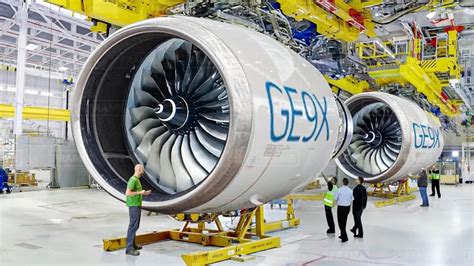
The General Electric GE9X, developed for the Boeing 777X, carries a list price approaching $50 million per engine. This makes it one of the most expensive commercial aircraft engines ever produced.
The Dreamliner’s engines occupy a middle tier because the aircraft itself is smaller than ultra-large widebody jets but still capable of long-haul operations.
The pricing structure reflects this balance between size, thrust requirements, and fuel efficiency goals.
Reliability and Maintenance: The True Cost of Ownership
The purchase price of a Boeing 787 engine represents only the beginning of a long financial relationship. Over the course of its operational life, an engine may require multiple inspections, repairs, and overhauls.
Airlines therefore evaluate engines based on a critical metric known as Time on Wing (TOW). This measurement represents the number of hours an engine can operate before needing removal for major maintenance.
For modern Dreamliner engines, the goal is often 20,000 hours or more before the first heavy shop visit. Achieving such durability allows airlines to spread maintenance costs over a longer period.
However, when engines fall short of these targets, the financial consequences can be severe.
Unscheduled maintenance events can cost $5 million or more per engine once labor, replacement parts, and operational disruptions are considered. Even worse, grounded aircraft cannot generate revenue while awaiting repairs.
The most well-known example involves the earlier Rolls-Royce Trent 1000 reliability crisis, which forced airlines such as Air New Zealand and British Airways to temporarily ground multiple Dreamliners. In several cases, airlines had to lease older aircraft to maintain their schedules, dramatically increasing operational costs.
This situation reinforced a crucial lesson within the airline industry: engine reliability is often more valuable than marginal improvements in fuel efficiency.
How Engine Choice Influences Aircraft Resale Value
Engine selection can also influence the long-term resale value of a Boeing 787. Aircraft leasing companies and secondary market buyers carefully evaluate engine performance history when determining lease rates.
Dreamliners powered by GE GEnx engines currently command slightly higher lease rates in many markets due to their reliability track record.
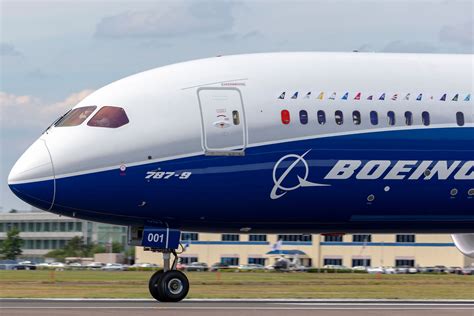
This difference may appear small on a per-aircraft basis, but across fleets of dozens of aircraft the financial impact becomes significant. Leasing companies often prefer engines with predictable maintenance histories because they reduce risk when placing aircraft with new operators.
Consequently, engine selection affects not only operational costs but also long-term asset value.
The Future of Dreamliner Engine Technology
The financial equation surrounding Dreamliner engines will likely evolve as aviation moves toward more sustainable operations.
One of the most important developments involves Sustainable Aviation Fuel (SAF). Both the GEnx and Trent 1000 engines are already capable of operating with increasing SAF blends, and manufacturers continue to test compatibility with 100% sustainable fuel formulations.
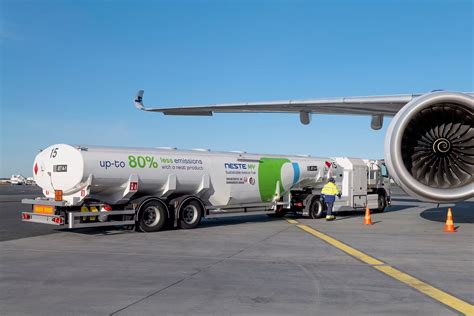
Future regulations in regions such as Europe and North America may require airlines to use higher percentages of sustainable fuel, potentially affecting engine performance and maintenance requirements.
Engine manufacturers are therefore investing heavily in technologies that improve efficiency while reducing emissions. Advances in materials science, digital monitoring systems, and combustion design will likely influence the next generation of aircraft engines.
These innovations may eventually change the pricing landscape for engines, particularly as environmental regulations reshape the economics of long-haul aviation.
Conclusion
The cost of a Boeing 787 Dreamliner engine reflects the extraordinary engineering required to power one of the world’s most advanced commercial aircraft. With list prices ranging from $25 million to $30 million per engine, the propulsion system represents a substantial share of the aircraft’s overall value.
However, the true financial story extends far beyond the initial purchase price. Airlines negotiate major discounts, structure long-term maintenance agreements, and carefully analyze reliability data when selecting engines for their fleets.
Ultimately, the real cost of a Dreamliner engine is measured across decades of service, thousands of flights, and millions of passengers transported around the globe. For airlines seeking efficiency, reliability, and long-term operational stability, the choice of engine remains one of the most critical decisions in modern aviation.
FAQs
What is the average price of a Boeing 787 engine?
The typical list price of a Boeing 787 Dreamliner engine ranges between $25 million and $30 million per unit, although airlines often negotiate discounts that reduce the final purchase price.
Which engines power the Boeing 787 Dreamliner?
The aircraft can be equipped with either the General Electric GEnx-1B or the Rolls-Royce Trent 1000, both specifically designed for the Dreamliner platform.
Why are aircraft engines so expensive?
Aircraft engines incorporate advanced materials, extreme temperature resistance, complex aerodynamics, and precision manufacturing, making them some of the most sophisticated machines ever built. These factors significantly increase their development and production costs.