At first glance, the Boeing 777-300ER and the Boeing 787 Dreamliner may appear to share similar roles in the long-haul aviation landscape. Both aircraft are twin-engine widebodies designed for efficiency and range, deployed on transcontinental routes by major airlines across the globe. However, despite these surface-level similarities, they differ substantially in physical scale, capacity, performance, and operational purpose. The 777-300ER holds a commanding position as Boeing’s largest twin-engine aircraft, while the 787 was crafted for fuel efficiency, innovative materials, and point-to-point route flexibility. This comprehensive analysis reveals just how much larger and more powerful the 777-300ER truly is.
Overall Size & Dimensions: A Physical Giant
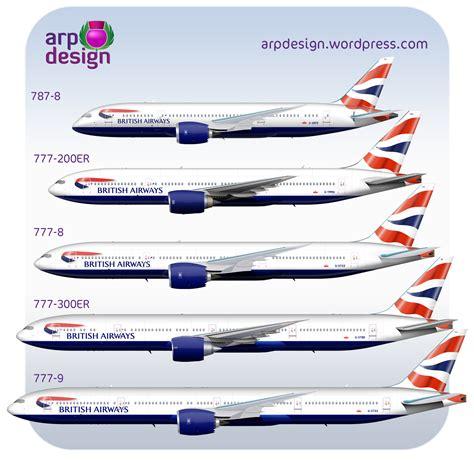
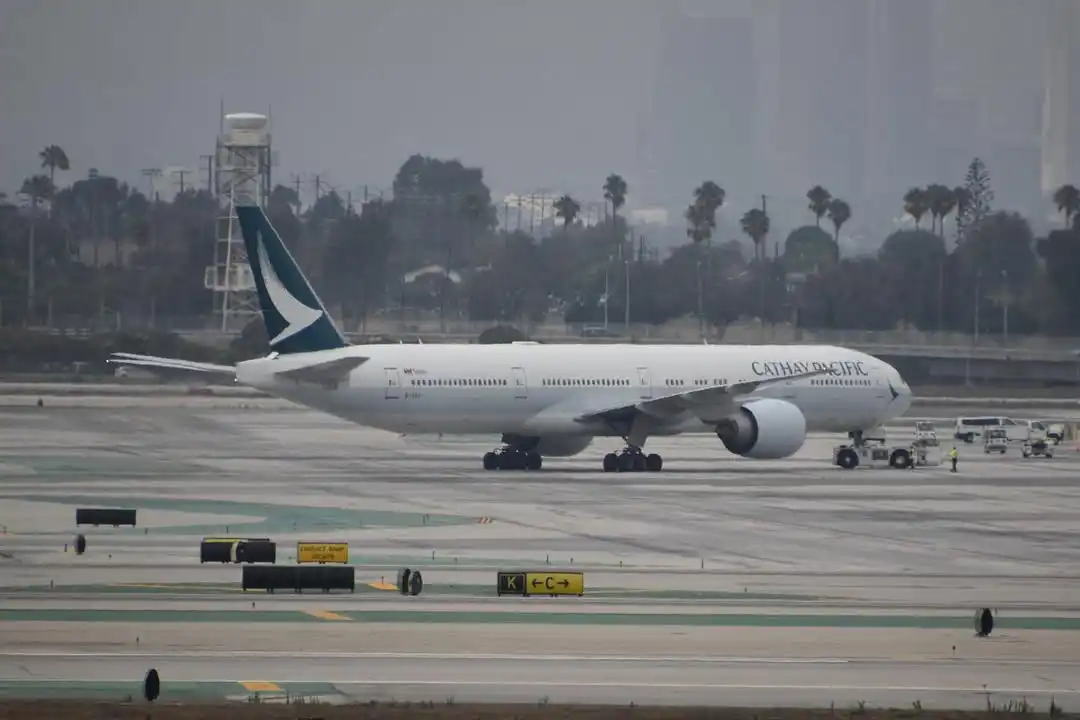
The Boeing 777-300ER is a monument to scale in the widebody category. Measuring an impressive 242 feet (73.9 meters) in length, it eclipses the entire Dreamliner family. The 787-10, the largest Dreamliner, stands at 224 feet (68.3 meters)—a notable shortfall. At the other end, the 787-8 is just 186 feet (56.7 meters) long, placing it in a completely different size class.
In terms of wingspan, the 777-300ER also dominates, extending 212 feet (64.8 meters) across, while the Dreamliner spans approximately 197 feet (60.1 meters). Although the 787’s wings are lauded for their carbon-composite construction and raked tips, they are not longer than the 777’s broader wings—necessary to lift its greater mass.
Even height is telling: the 777-300ER towers at 61 feet (18.5 meters), whereas the tallest 787 variant reaches just 56 feet (17 meters). When parked side-by-side at an airport gate, the scale difference is both striking and undeniable.
Passenger Capacity: Designed for More Travelers
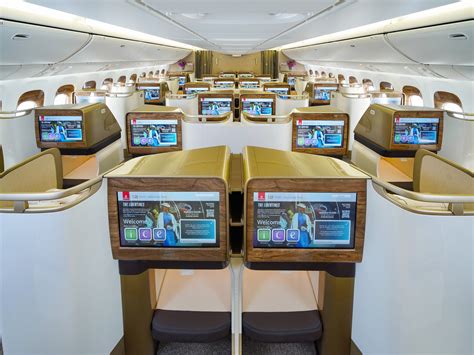
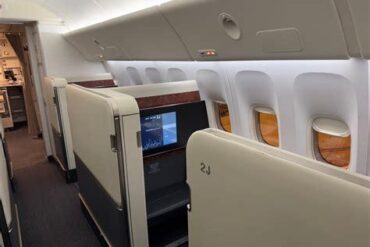
Passenger count remains one of the most practical indicators of aircraft size. The Boeing 777-300ER offers a typical capacity of 350–370 passengers in a two-class layout, with high-density versions accommodating over 400 passengers. Emirates, the largest 777-300ER operator, operates six cabin configurations with seat counts ranging from 324 to 421. This flexibility allows the aircraft to serve a range of mission profiles, from luxury-heavy premium configurations to high-demand economy-focused deployments.
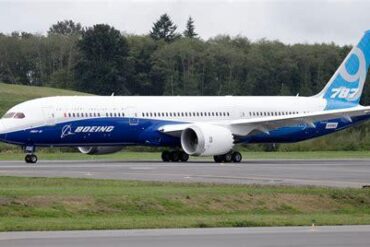
In contrast, the Boeing 787 family is built for smaller load profiles. The 787-8 typically carries 230–250 passengers, the 787-9 around 260–290, and the stretched 787-10 can reach 300–330 passengers. Even in its most optimized layout, the 787-10 falls short of the 777-300ER’s capacity ceiling. These numbers reflect their respective missions: the 777-300ER is a high-volume flagship, while the 787s target thinner, long-range city pairs.
Maximum Takeoff Weight and Engine Power: Muscle and Might
The 777-300ER’s Maximum Takeoff Weight (MTOW) is a staggering 775,000 pounds (351 metric tonnes). This massive capability supports full cabins, ample cargo, and extensive fuel—ideal for ultra-long-haul travel. The 787-10, by comparison, lifts around 560,000 pounds (254 metric tonnes) at MTOW. The 787-9 and 787-8 trail even further behind.
A robust airframe like the 777-300ER demands reinforced landing gear: each main gear supports six wheels. The 787’s four-wheel configuration is sufficient for its lighter weight but highlights the stark engineering gap between the two designs.
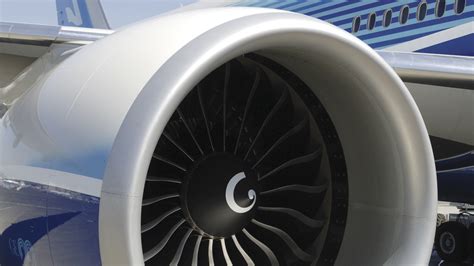
Powering this giant are two General Electric GE90-115B engines, producing up to 115,000 pounds of thrust each. These are the most powerful jet engines ever fitted to a commercial airliner, with fan diameters exceeding many regional jet fuselages. Meanwhile, the 787’s engines—either the Rolls-Royce Trent 1000 or GE GEnx—generate between 64,000 and 76,000 pounds of thrust, prioritizing fuel economy over raw power.
Cargo Capacity: Freight-Friendly by Design
Cargo is a crucial revenue stream on long-haul flights, and the 777-300ER delivers unmatched versatility in this area. Its wide, long fuselage provides expansive underfloor cargo holds that comfortably house standard containers, even when fully booked with passengers. This capacity allows airlines to simultaneously optimize both passenger and freight loads, a major financial advantage.
By comparison, the 787 Dreamliner has a more constrained cargo profile. Its fuselage diameter and lower MTOW limit freight volume, making it less ideal for routes with high cargo demand. While it remains a capable cargo mover, the Dreamliner sometimes forces operators to prioritize passenger baggage over commercial freight.
Airlines operating from cargo-heavy hubs, such as Hong Kong, Frankfurt, or Chicago, find the 777-300ER an essential tool for maintaining yield without sacrificing load factor.
Market Position and Role in Airline Fleets
The Boeing 777-300ER is intentionally positioned as a high-capacity workhorse, replacing aging quadjets like the 747-400 and Airbus A340 on trunk routes. It serves heavily traveled city pairs such as Dubai–London, Los Angeles–Tokyo, and Frankfurt–Hong Kong, where consistent demand justifies its size. The 777-300ER functions as a flagship for airlines seeking long-range, high-density lift.
The 787, on the other hand, was built to complement rather than compete with the 777. Its design enables airlines to connect secondary cities and new international markets, using lower capacity and longer range with excellent fuel efficiency. It’s a tool of expansion and route experimentation, not mass transit.
Boeing’s strategy clearly split the roles: the 787 innovates in efficiency and flexibility, while the 777-300ER delivers scale and capability at the top end of the market.
Global Operators: Who Flies the Giants
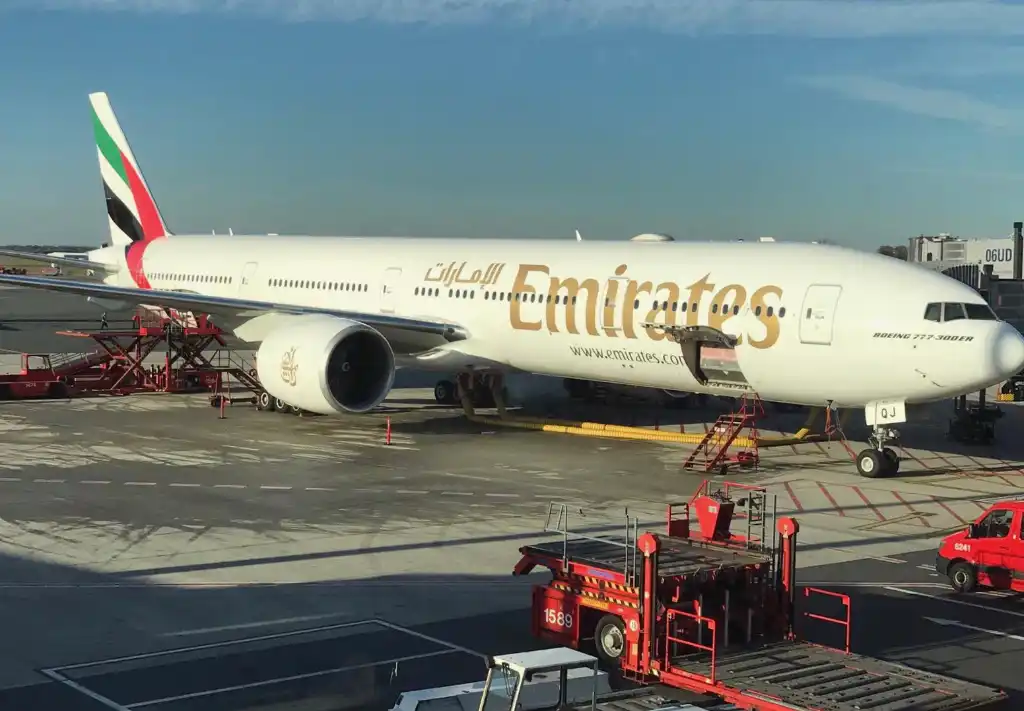
Emirates leads the world in 777-300ER operations, boasting a fleet of 124 aircraft, followed by Qatar Airways (57) and Air France (43). These carriers rely on the 777-300ER for high-volume, long-haul connections between major global hubs. The aircraft’s longevity and capacity have made it a mainstay on intercontinental corridors.
Meanwhile, All Nippon Airways (ANA) is the largest 787 operator, with a balanced fleet of 34 787-8s, 44 787-9s, and 8 787-10s—a total of 86 aircraft. United Airlines (78) and American Airlines (63) also maintain significant Dreamliner fleets, primarily for long-haul expansion and route flexibility.
The fact that Emirates does not fly the 787, and ANA does not operate the 777-300ER in equal numbers, underlines the strategic segmentation of these aircraft in airline operations.

Engineering Intent: Purpose Defines Size
Boeing never set out to make the 787 a replacement for the 777-300ER. Rather, each aircraft was engineered with a distinct purpose. The 777-300ER excels where volume and payload are paramount. Its range, size, and reliability make it a natural successor to the jumbo jets of the past. Its enduring presence on high-demand routes is a testament to its success.
Conversely, the 787 Dreamliner is a disruptor in efficiency, unlocking new international routes with lower overhead and advanced aerodynamics. It’s smaller because it needs to be—serving routes where the 777 would be overkill.
The dramatic difference in engine power, structural strength, and passenger load between the two aircraft reinforces the truth: the 777-300ER is not just a little bigger than the 787—it is categorically larger in every dimension.
Conclusion: The Clear Size King
While the Boeing 787 Dreamliner is an outstanding marvel of aviation engineering, it is not a peer to the 777-300ER in terms of size, scale, or brute force. From its immense fuselage length and wingspan, to its record-setting engines and exceptional payload, the 777-300ER remains the largest twin-engine aircraft in the Boeing fleet.
Its capacity to move large volumes of people and cargo over ultra-long distances makes it a vital tool for global connectivity. Whether seen taxiing beside a 787 or boarding hundreds of passengers at a hub airport, the sheer presence of the 777-300ER leaves no doubt about which aircraft rules in scale.