Understanding the True Cost of Private Jet Ownership
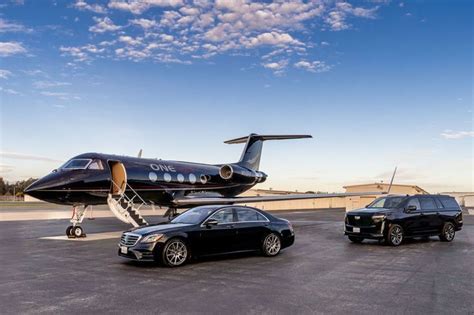
When evaluating how much it is to buy a private jet, it’s not just the sticker price that matters. Private jet ownership is a complex investment involving upfront capital, ongoing operational expenses, and opportunity cost. Depending on the make, model, range, and luxury features, a new private jet may cost anywhere between $2 million and $110 million, while pre-owned models can start as low as $250,000. But those figures only tell part of the story.
Owning a private aircraft introduces an entirely different class of financial responsibility. Unlike cars or yachts, private jets depreciate rapidly and require constant maintenance and professional oversight. We must consider not just the aircraft’s purchase price but also its hourly operational costs, crew salaries, insurance premiums, hangar fees, and ongoing maintenance.
Initial Investment: How Much Does It Cost to Buy a Private Jet?
The initial cost of a private jet depends heavily on whether you are purchasing brand-new or pre-owned, and on what class of jet you select:
-
Light Jets (Entry-Level): These include jets like the Embraer Phenom 100 or HondaJet, and generally cost between $2 million to $11 million new. Their limited range (typically under 1,500 nautical miles) makes them suitable for regional flights.
-
Midsize Jets: Models such as the Cessna Citation XLS+ or Learjet 75 fall in this range, with prices between $9 million and $20 million. These aircraft provide more cabin space and can manage cross-country journeys.
-
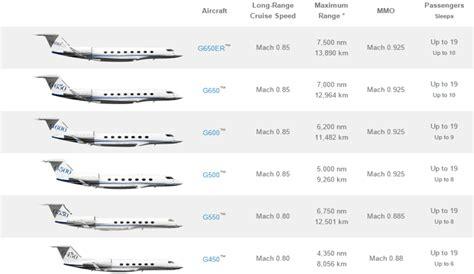
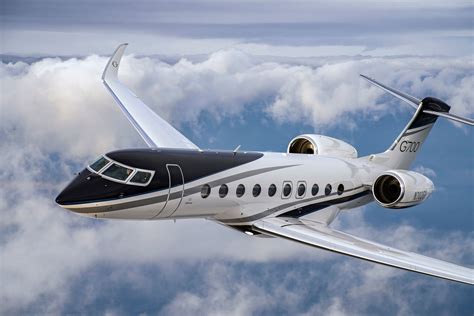
Heavy and Long-Range Jets: Think Bombardier Global 7500, Gulfstream G700, or Dassault Falcon 8X—some of the world’s most luxurious jets. These can cost $50 million to over $110 million. They are outfitted with full beds, dining areas, showers, and ultra-long range capabilities.
-
Very Light Jets (VLJs) and Used Aircraft: The cheapest private jet you can buy brand new is the Cirrus Vision Jet, priced around $2 million. However, used aircraft, depending on age, maintenance history, and hours flown, can drop to as little as $250,000.
Operational Costs: What You Pay Beyond the Purchase Price
Jet ownership doesn’t stop with acquisition. Owners are also responsible for the day-to-day and annual expenses of keeping the aircraft flight-ready. These include:
-
Crew Salaries: Pilots and flight attendants must be salaried or contracted. Annual crew costs may range from $200,000 to $400,000.
-
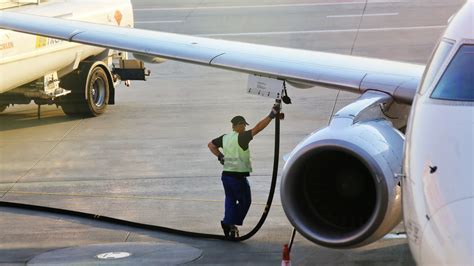
Fuel and Lubricants: Depending on your route, fuel costs can amount to $3,000 to $5,000 per flight hour for long-range jets.
-
Maintenance and Repairs: Aircraft require regular A-checks, B-checks, unscheduled repairs, and parts replacement. Yearly costs can range between $200,000 to $500,000, with individual repairs like tire replacements costing up to $3,000 each.
-
Insurance: Aviation liability and hull insurance will set you back $10,000 to $500,000 per year depending on jet value and usage.
-
Hangar Fees: Parking your jet in a major city like Los Angeles or New York? Expect to pay anywhere from $30,000 to $100,000 per year in hangar rental fees.
-
Miscellaneous: Navigation fees, international taxes, cleaning, de-icing, and in-flight catering can quietly escalate your budget.
In total, annual operating costs typically fall between $500,000 to $1 million, depending on flight frequency, aircraft size, and location.
Hourly Flight Costs: A Benchmark for Value
A key metric to assess value is cost per flight hour, particularly if you’re comparing ownership to alternatives like chartering or fractional ownership.
-
Light Jets: $2,000 – $3,500/hour
-
Midsize Jets: $3,500 – $5,000/hour
-
Heavy Jets: $7,000 – $12,000/hour
Flying fewer than 200 hours per year? It may be more financially prudent to explore alternatives.
Who Should Consider Buying a Private Jet?
The general consensus among aviation consultants is that private jet ownership becomes worthwhile when an individual or corporation flies more than 200 to 400 hours per year. But even this metric depends on flight patterns.
For example, if your schedule includes frequent one-way flights, you will often need to reposition the aircraft—doubling the flight hours and associated costs. Similarly, long ground stays mean extra expenses for crew lodging, or empty return legs if you choose to fly them back.
Fractional Ownership and Jet Cards: A Viable Middle Ground
If full ownership seems excessive, fractional ownership allows you to buy a share (e.g., 1/8 or 1/16) of a jet through companies like NetJets or Flexjet. These services offer 50–400 hours per year of flight time. You pay a capital acquisition fee and monthly management costs, but you avoid the burden of hiring crew or handling maintenance directly.
Another option is a jet card—essentially a prepaid membership that guarantees access to aircraft at fixed hourly rates. These are ideal for those who fly 25 to 100 hours annually.
Chartering a Jet: Premium Flexibility Without Ownership Headaches
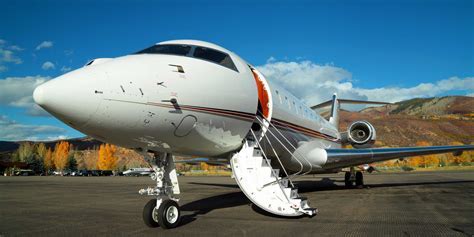
For those who want all the perks of private flight without the long-term financial burden, chartering remains the most accessible solution. Chartering allows users to book flights à la carte, with pricing determined by the aircraft, route, and service provider.
Charter pricing varies widely:
-
Turboprops and Very Light Jets: $1,200 – $3,000/hour
-
Midsize Jets: $4,000 – $6,500/hour
-
Large and Ultra-Long-Range Jets: $8,000 – $12,000/hour or more
Leading brokers include XO, Wheels Up, and VistaJet, each offering tailored services for occasional travelers.
Used Private Jets: A Budget-Conscious Alternative
For buyers open to second-hand assets, the pre-owned market offers significant discounts. A well-maintained 10- to 20-year-old jet can be a fraction of the cost of a new one. For instance:
-
A 2006 Gulfstream G450 might be available for around $10–15 million, compared to $40+ million new.
-
A 2010 Citation Mustang may cost just $1 million or less.
However, due diligence is critical. Maintenance records, airframe hours, refurbishment status, and compliance with current avionics regulations all impact the real value.
Final Thoughts: Is Buying a Jet Worth It?
A private jet represents the pinnacle of personal and corporate mobility—but also one of the most capital-intensive forms of transportation. The financial logic hinges on how often you fly, how far you travel, and what value you place on time and flexibility.
If your flight hours exceed 400 per year, or your business requires on-demand global mobility, ownership may be a strategic investment. If not, alternatives like fractional ownership, jet cards, or on-demand charters offer a near-identical luxury experience without the operational complexity.

FAQs
What is the cheapest private jet I can buy?
The most affordable brand-new jet on the market is the Cirrus Vision Jet, priced at approximately $2 million. For even more savings, used models like older Cessna Citations or Learjets can be purchased for as low as $250,000, although they may require more extensive maintenance.
How much does it cost to maintain a private jet annually?
Annual operational costs—including maintenance, insurance, crew salaries, hangar fees, and fuel—can range between $500,000 to $1 million, depending on the type of jet and how frequently it’s used.
Is owning a private jet a good investment?
While not typically a cash-generating investment, private jets can provide a high return on time and productivity for frequent fliers. The decision hinges on whether the value of saved hours, flexibility, and privacy justifies the substantial outlay and ongoing costs.