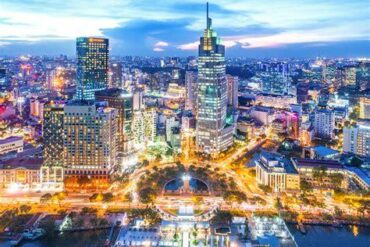
Vietnam is making significant strides in enhancing its tourism appeal by promoting Ho Chi Minh City (HCM City) as a unique destination that seamlessly blends sports, culture, and natural beauty. This strategy is designed to attract a diverse range of tourists, ultimately boosting the local economy and placing HCM City firmly on the global tourism map. With an impressive array of landscapes that include mountains, rivers, and extensive coastlines, HCM City is well-positioned to capitalize on the growing interest in sports tourism. By creating experiences that intertwine heart-pounding sports events with serene cultural activities and stunning natural surroundings, the city is crafting a compelling narrative that beckons travelers from around the world.
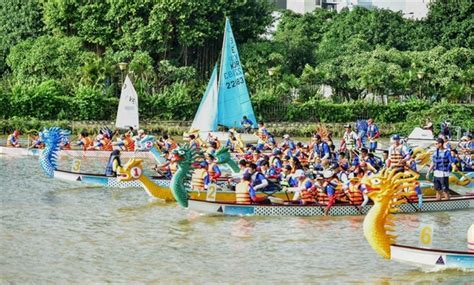
The unique geography of Vietnam offers an ideal backdrop for developing sports tourism, with opportunities that cater to both adventure enthusiasts and those looking for leisurely pursuits. HCM City, as the largest urban center in Vietnam, is tapping into this potential by hosting events that creatively combine sports, culture, and nature into unforgettable tourism experiences. A prime example of this initiative is the HCM City River Festival, which took place in early June 2024. The festival attracted over 1.3 million visitors during its ten-day run, demonstrating the city’s capability to host large-scale tourism events. Visitors were treated to an array of thrilling activities, including river swimming, stand-up paddleboarding, sailing, jet skiing, and paragliding. These exhilarating water-based activities not only allowed locals and tourists to experience the city’s rivers in exciting new ways but also significantly boosted the tourism sector, with hotel occupancy rates surging by 25-30%.
The success of the River Festival illustrates the increasing demand for events that merge sports with cultural and natural experiences. Experts have noted that this trend is gaining traction among tourists, who seek opportunities to engage in physical activities while simultaneously immersing themselves in the destination’s rich culture and history. When executed effectively, sports tourism not only promotes fitness but also fosters a deeper understanding of local traditions and environments.
To fully harness the potential of sports tourism, HCM City must continue to invest in its infrastructure. This includes the development of multi-purpose sports centers, the construction of versatile event venues, and the enhancement of transportation networks to accommodate the influx of visitors. Improving infrastructure will ensure that HCM City has the capacity to host a wide range of events, from large international sports competitions to smaller, more intimate festivals that cater to niche markets.
Local authorities are also prioritizing the attraction of private investment to fund the development of sports tourism. Such investment is crucial for the city to establish high-quality facilities and bring world-class events to the region that appeal to tourists globally. Additionally, promoting Vietnam and HCM City through international sports organizations and media outlets will help position the city as a premier destination for sports tourism. By highlighting its unique combination of cultural, natural, and sporting experiences, HCM City can draw in visitors from diverse markets worldwide.
Specialized training programs in sports tourism, event management, and adventure sports are vital components of the city’s strategy. These programs will equip local tourism professionals, event organizers, and adventure sports guides with the skills necessary to deliver high-quality, safe, and enjoyable experiences for tourists. Furthermore, implementing sustainable tourism management programs is essential to ensure that developments in sports tourism are environmentally responsible, preserving HCM City’s natural beauty for future generations.
Moreover, the tourism sector must focus on creating attractive, well-coordinated events that connect sports with sightseeing and cultural activities. Many regions of Vietnam exhibit strong potential for sports tourism, but without proper coordination and thoughtful planning, the full benefits of these activities may remain unrealized. HCM City’s urban districts, such as Sài Gòn, Khánh Hội, and Nhiêu Lộc, present perfect locations for sports events that highlight the city’s rivers and canals, such as river races or kayaking competitions. Coastal areas like Vũng Tàu Ward, Tam Thắng Ward, and Cần Giờ Commune offer ideal settings for marine sports and festivals that showcase the country’s stunning beaches and islands. These districts, along with the island destination of Côn Đảo, are uniquely positioned to host events that blend the thrill of marine sports with the opportunity to explore Vietnam’s coastal and island attractions.
By organizing events tailored to the specific strengths of each region, HCM City can create a diverse array of tourism experiences that appeal to various travelers, from sports enthusiasts to cultural tourists. Local tourism professionals also recognize the importance of developing tour packages that integrate sports, culture, and nature. These comprehensive packages will encourage tourists to explore the diverse landscapes of Vietnam while providing them with a deeper understanding of local culture and traditions. Through well-rounded itineraries, the city can attract both adventure seekers and those looking to relax and immerse themselves in Vietnam’s rich heritage.
The vision for sports tourism in HCM City aligns with broader national goals for sustainable tourism development. By investing in infrastructure, attracting international events, and promoting the unique cultural and natural heritage of the region, HCM City can establish itself as a leader in sports tourism. This strategy will not only draw more visitors but also contribute to the long-term growth and sustainability of the tourism industry in the area.
In summary, Vietnam is enhancing its tourism appeal by integrating sports, culture, and nature-based activities, offering tourists a unique experience that melds adventure with local heritage. This initiative, spearheaded by HCM City, aims to attract a diverse range of visitors and stimulate the country’s tourism growth. Ultimately, HCM City is positioning itself as a top destination for sports tourism combined with cultural and eco-tourism. With an ambitious agenda focused on infrastructure development, private investment, and the execution of major events, the city is set to solidify its identity as one of the newest players in the international sports tourism market. The natural beauty, unique culture, and sustainable development plans will undoubtedly capture the attention of travelers worldwide, providing them with extraordinary experiences that linger long after their visit.