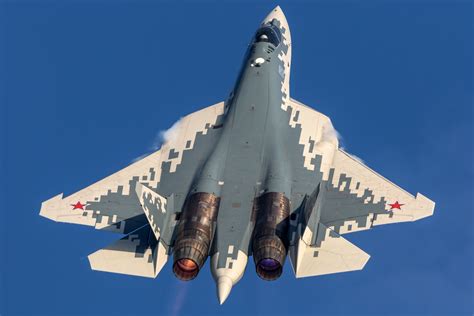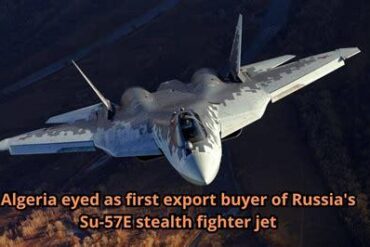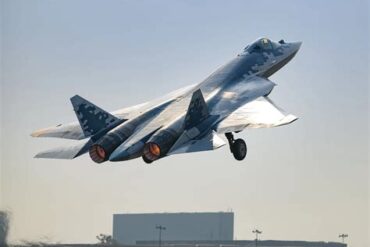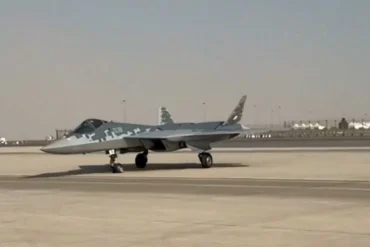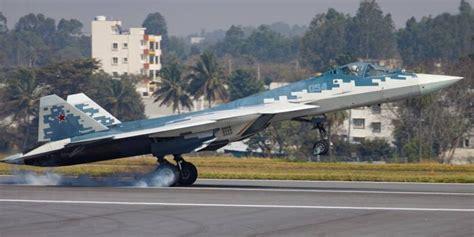
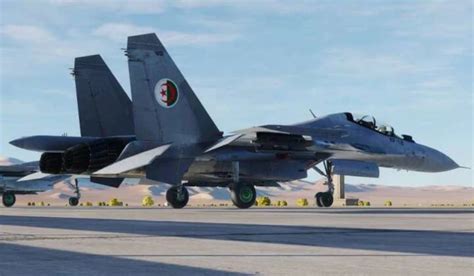
In a move poised to redefine North African airpower, Algeria has officially become the first foreign operator of Russia’s Su-57E fifth-generation multirole fighter jet, with the first batch of aircraft scheduled for delivery by the end of 2025. The development was confirmed by multiple independent sources, including Algerian state television and corroborating statements from Russian defense officials, following a cryptic announcement by the Russian Federal Service for Military-Technical Cooperation (FSVTS) at the MILEX 2025 exhibition in Minsk.
Strategic Breakthrough in North African Air Dominance
Algeria’s procurement of the Su-57E is not merely an acquisition—it is a strategic shift. This purchase elevates Algeria to the exclusive club of nations fielding stealth-capable fifth-generation aircraft, joining the likes of the United States, China, and Russia. With deliveries expected to begin with an initial batch of six aircraft, the announcement underscores Algeria’s continued commitment to high-end Russian aerospace technology. Algerian pilots are already undergoing specialized training in Russia, preparing them for operational integration into Algeria’s advanced air force infrastructure.
This move consolidates Algeria’s regional aerial supremacy, complementing its existing fleet of Su-30MKA, MiG-29, and MiG-25 fighters. Furthermore, the acquisition adds a critical stealth and network-centric component to Algeria’s existing S-300PMU-2 and Pantsir-S1 air defense architecture, signaling a long-term doctrinal shift toward multi-domain warfare capabilities.
Technical Prowess of the Su-57E: A Fifth-Generation War Machine
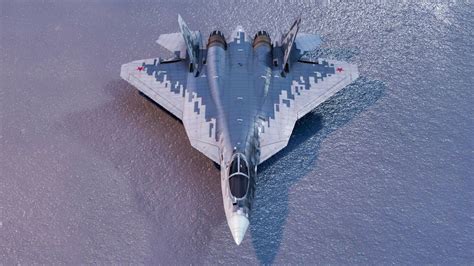
The Su-57E, the export variant of Russia’s cutting-edge Su-57 fighter, embodies the latest in fifth-generation fighter technology. Developed under the PAK FA (Prospective Airborne Complex of Frontline Aviation) program by Sukhoi, a division of the United Aircraft Corporation (UAC), the aircraft combines low radar observability, high agility, and multi-role versatility in a single integrated platform. First flown in 2010 and entering serial production in 2019, the Su-57’s development has followed an arduous yet ambitious path.
At its core, the Su-57E is equipped with:
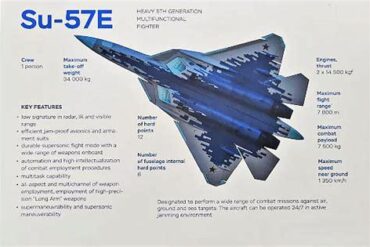
- N036 Belka AESA radar system, with X-band radar in the nose and L-band radars embedded in the wings
- Thrust-vectoring engines enabling extreme maneuverability
- Supercruise capability, allowing sustained supersonic flight without afterburners
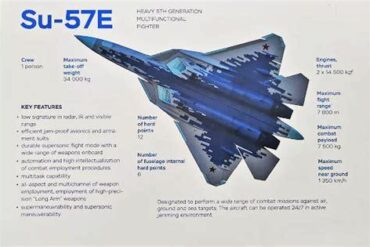
- A combat radius of 2,800 km without refueling, extendable to 7,800 km with two in-flight refuels
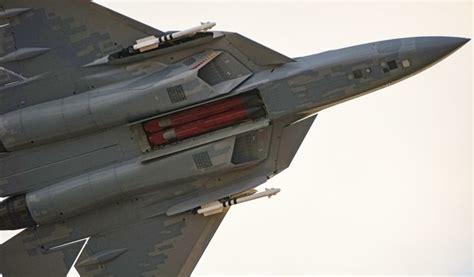
- Internal weapons bays for low-observable missions
Multirole Combat and Stealth Flexibility
With a maximum takeoff weight of 35,500 kg and an internal fuel capacity of 11,100 kg, the Su-57E can remain airborne for up to 10 hours, offering both strategic reach and loiter capability. Its single-seat cockpit is equipped with a digital glass cockpit interface, helmet-mounted display systems, and an advanced ejection seat from NPP Zvezda, tailored to optimize pilot survivability under high-G combat conditions.
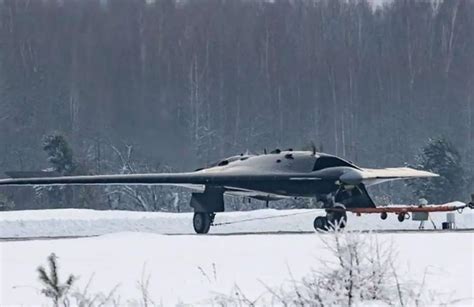
The fighter is capable of network-centric operations, functioning in tandem with unmanned platforms such as the S-70 Okhotnik-B, with which it has undergone extensive joint testing. This cooperation enables force-multiplying effects across the battlespace, linking surveillance, strike, and defense capabilities into one coherent web.
Advanced Weapons Integration and Combat Readiness
The Su-57E carries up to 7,500 kg of weaponry, distributed across six internal and twelve external hardpoints, depending on mission demands. Its weapons suite includes:
- R-77M and R-74M2 air-to-air missiles
- Kh-69 and Grom-E1 precision ground-attack munitions
- Kh-58USHKE anti-radiation missiles
- KAB-250, KAB-500, and UPAБ-1500Б-E guided bombs
- 30mm 9A1-4071K autocannon, derived from the GSh-30-1
These weapons enable the aircraft to conduct deep-strike missions, engage high-value aerial targets, and neutralize enemy radars, making the Su-57E a true multirole combat platform. Notably, mission planners can configure the aircraft to carry weapons internally for stealth-oriented operations or externally for maximum payload.
Algeria’s Defense Procurement Strategy Comes Full Circle
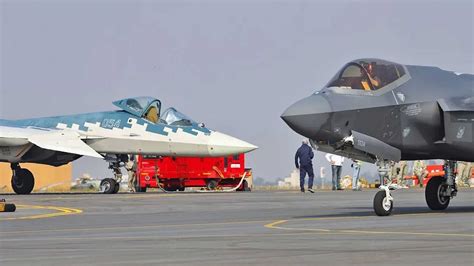
Algeria’s selection of the Su-57E is the culmination of years of deliberate defense modernization. With deep historical and technical ties to Russian military equipment, Algeria has consistently prioritized interoperability, logistics continuity, and cost-effectiveness in its procurement strategy. The Su-57E’s reported unit cost of around $50 million positions it as a competitive alternative to Western fifth-gen platforms like the F-35A, which costs over twice as much per unit.
For Algeria, this acquisition is not just about prestige or parity—it’s about deterrence. The Su-57E will offer air dominance capabilities across the Mediterranean and Sahel regions, altering strategic calculations in Western Europe, North Africa, and the Sahel.
Mixed Global Reception and the Weight of Expectation
Despite its promise, the Su-57E has not been without criticism. Observers note that its stealth profile does not match the low observability of the F-22 or F-35. This concern was notably echoed by India, which withdrew from the FGFA (Fifth Generation Fighter Aircraft) joint development project in 2018, citing dissatisfaction with radar performance and stealth metrics. Moreover, delays in integrating the Izdeliye 30 second-stage engine and concerns over production rates have clouded the Su-57’s global perception.
Nevertheless, Algeria’s purchase may prove pivotal. It provides Russia with a long-awaited export opportunity and a chance to prove the Su-57E’s combat viability in a real-world, foreign-operated context. If the aircraft performs well, it could attract interest from countries seeking capable fifth-gen fighters without the restrictions and price tags associated with Western options.
Implications for Global Military Aviation Markets
The Algerian deal will likely influence procurement strategies in the Middle East, Sub-Saharan Africa, and even Southeast Asia. Nations like Vietnam, Egypt, and Iran have previously expressed interest in Russian fifth-gen aircraft, but hesitated amid technical uncertainties. The success or failure of the Su-57E in Algerian service may determine whether Russia’s next-generation fighter becomes a viable export platform or remains largely domestic.
As the world watches, Algeria now finds itself in a rare position—not just as a buyer, but as a trailblazer in fifth-generation air combat beyond the core superpowers. The upcoming deployment and performance of the Su-57E over North African skies may redefine what it means to project airpower in the 21st century.