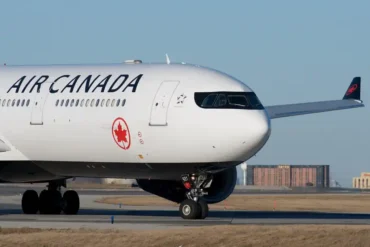
Canada and Italy have entered a new era of transatlantic connectivity as Air Canada unveils its much-anticipated nonstop seasonal service between Montréal and Naples, reinforcing its long-haul dominance and tapping into a vibrant leisure travel corridor. This bold move aligns with escalating interest in Southern Europe as a summer escape and underscores Air Canada’s strategic positioning in the global aviation landscape.
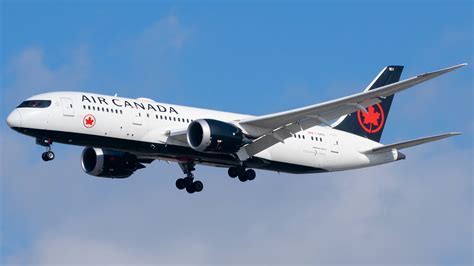
The newly launched service commenced in May 2025 and is being operated with the state-of-the-art Boeing 787-8 Dreamliner, ensuring passengers benefit from cutting-edge comfort, fuel efficiency, and premium onboard amenities. More than just another route addition, this is a signal of growing bilateral tourism, deeper commercial ties, and elevated passenger choice.
Strategic Expansion from a Rising Transatlantic Hub
Montréal-Trudeau International Airport (YUL) is playing an increasingly vital role in shaping Air Canada’s international reach. As one of the airline’s three major Canadian hubs—alongside Toronto Pearson and Vancouver International—Montréal now enjoys a direct link to Naples International Airport (NAP) four times weekly, an offering tailored to match seasonal spikes in demand for Mediterranean getaways.
Flights are scheduled to depart Montréal on Tuesdays, Wednesdays, Fridays, and Saturdays, returning from Naples on Wednesdays, Thursdays, Saturdays, and Sundays. These routes are timed to maximize connectivity and minimize layovers, arriving in Naples at 09:40 local time and returning to Montréal by 14:45.
By positioning this service as seasonal, running through October 25, 2025, Air Canada takes a flexible, demand-sensitive approach that aligns with modern leisure travel patterns, ensuring peak season optimization while avoiding off-peak inefficiencies.
Tapping Southern Italy’s Growing Appeal
Naples, a gateway to the Amalfi Coast, Pompeii, and Capri, has emerged as a rising star in Southern European travel, especially for North American travelers seeking rich culture, coastline beauty, and authentic experiences. With this route, Air Canada isn’t just adding a city—it’s unlocking a region.
This strategic decision reflects the airline’s intent to capture the sun-seeking leisure demographic and the visiting friends and relatives (VFR) segment, both of which see a dramatic uptick in the warmer months.

Fleet Excellence: The Boeing 787-8 Dreamliner in Focus
For this high-demand route, Air Canada deploys its Boeing 787-8 Dreamliner, a modern widebody aircraft tailored for transatlantic comfort and efficiency. With 255 seats across three classes—20 in Business Class, 21 in Premium Economy, and 214 in Economy—the 787-8 offers a balanced cabin configuration that caters to a broad market, from premium travelers to cost-conscious tourists.
Passenger experience is enhanced through:
- Larger windows with adjustable tinting
- Quieter cabins and smoother ride technology
- Advanced in-flight entertainment systems
Air Canada’s Dreamliner fleet includes eight 787-8s and 32 787-9s, with the larger 787-10 slated to enter service in 2026, enhancing capacity and reach further.
Canada-Italy Aviation Relationship Reaches New Heights
With 39 weekly flights between Canada and Italy across multiple routes in summer 2025, Air Canada is positioning itself as Canada’s dominant carrier in the Italian market. From Montréal alone, nonstop flights now reach Milan, Rome, Venice, and Naples—covering both northern financial centers and southern holiday destinations.
From Toronto Pearson, the airline serves Rome and Venice, maintaining robust east-west transatlantic connectivity. This network ensures that Canadian travelers can reach Italy with ease, whether flying from the east coast, west coast, or central Canada.

Star Alliance Power and Codeshare Coverage
Air Canada’s integration with the Star Alliance network and extensive codeshare agreements enhance its value proposition, allowing travelers from secondary cities in Canada and Italy to connect seamlessly. This connectivity translates into:
- Shorter total journey times
- Streamlined baggage and check-in procedures
- Frequent flyer perks across partner airlines
This strategy not only increases customer loyalty but also amplifies network efficiency.
A Hub Ascending: Montréal’s Role in the Transatlantic Equation
With 22 million passengers in 2024, Montréal-Trudeau International Airport is rapidly solidifying its role as Canada’s premier eastern transatlantic hub. Montréal is now the only Canadian city with nonstop Air Canada flights to both Milan and Naples, underscoring its strategic location and growing passenger base.
Unlike Toronto and Vancouver, which often compete with multiple carriers on European routes, Montréal benefits from less overlap and more exclusivity, particularly on secondary city pairings like Naples. This has elevated Montréal’s relevance in both leisure and business travel sectors.
Extending the Summer Network: Porto Joins the Roster
Air Canada’s seasonal strategy also includes new service to Porto, Portugal, starting June 4, 2025. This route is flown using the Boeing 737 MAX 8, which seats 169 passengers and is ideal for medium-haul Atlantic crossings.
Running three times a week through September 30, this route reflects Air Canada’s adaptive seasonal scheduling, leveraging its narrowbody fleet where widebody operations would be economically impractical.
With 47 737 MAX 8s in the fleet and five more arriving soon, the airline can offer greater flexibility in serving emerging mid-size European destinations, matching aircraft size to market realities.
Tourism and Commercial Upside
Beyond passenger convenience, the introduction of the Montréal–Naples route unlocks substantial tourism, economic, and diplomatic potential. Naples stands to benefit from increased Canadian visitor volumes, translating into greater hotel occupancy, restaurant patronage, and tour bookings.
Conversely, Canadians gain more direct access to an authentic slice of Italy—enhancing cultural exchange and economic flow. The surge in Canadian arrivals could prompt reciprocal tourism growth, as Italians explore urban and natural destinations across Canada.
Trade and business travelers also benefit. Although leisure dominates transatlantic summer routes, business opportunities in sectors such as agri-food, tourism development, and cultural ventures are expected to gain momentum.
Future-Proofing with Fleet and Frequency Enhancements
As competition in the global aviation sector intensifies, fleet modernization and flexible route planning are essential to maintaining leadership. Air Canada’s foresight in deploying the Dreamliner, planning for the 787-10, and strategically scheduling seasonal peaks demonstrates an agile and forward-thinking approach.
Airline executives recognize that today’s leisure routes are tomorrow’s permanent corridors. Should the Montréal–Naples route achieve sustained performance, it may transition from seasonal to year-round, solidifying both cities’ roles in long-term network strategy.
Conclusion: A Summer Gateway with Lasting Impact
Air Canada’s seasonal Montréal–Naples service represents far more than a convenient summer flight—it is a symbol of strengthened international ties, growing leisure travel appetite, and a bold assertion of transatlantic ambition. With a modern fleet, smart scheduling, and expanding reach, Air Canada is setting new standards for how national carriers can connect continents.
As Canada and Italy forge deeper aviation and tourism links, this new route is poised to become a hallmark of high-season travel between North America and the Mediterranean. It will not only influence where travelers go this summer but also how airlines shape their future networks, responding to the evolving patterns of global mobility.