The sudden collapse of Spirit Airlines has sent shockwaves through the U.S. aviation market, creating immediate gaps in capacity and connectivity. In response, JetBlue Airways and Breeze Airways have acted quickly, announcing a combined 15 new routes aimed at capturing displaced passengers and strengthening their competitive positions. This rapid expansion highlights how airlines capitalize on opportunity when a major low-cost player exits the scene.
JetBlue is focusing heavily on Fort Lauderdale-Hollywood International Airport, formerly Spirit’s largest hub, while Breeze Airways is targeting Atlantic City International Airport, a market that relied almost entirely on Spirit for decades. Together, these moves mark a significant reshaping of key regional travel networks.
JetBlue Expands Aggressively From Fort Lauderdale
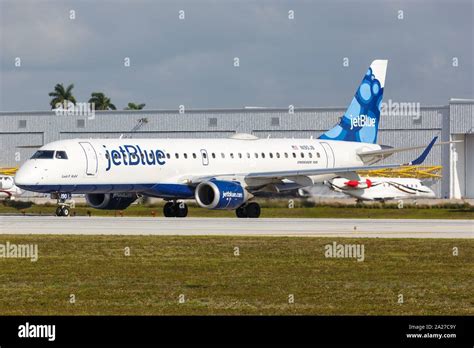
JetBlue has unveiled 11 new routes from Fort Lauderdale, reinforcing its presence in one of Florida’s most important aviation gateways. These routes span both domestic and international destinations, with launch dates staggered between June and November.
The airline will begin service to Barranquilla, Cali, Baltimore, Charlotte, Chicago O’Hare, Columbus, Detroit, Houston Intercontinental, Indianapolis, Nashville, and Ponce. Several of these routes will operate with high frequency, including up to three daily flights on major domestic corridors such as Baltimore, Charlotte, and Houston.
This expansion is a calculated move. JetBlue previously operated in many of these markets, including Detroit, Baltimore, and Nashville, allowing it to re-enter with existing market knowledge. At the same time, new destinations like Barranquilla, Cali, and Indianapolis expand the airline’s network into fresh territory.
The addition of Barranquilla and Cali signals JetBlue’s continued investment in Latin America, a region with strong travel demand tied to both tourism and family connections. Fort Lauderdale serves as an ideal launch point for these routes due to its geographic proximity and established passenger base.
High Frequencies Reflect Strong Market Confidence
JetBlue’s decision to deploy multiple daily flights on several routes indicates confidence in sustained demand. These are not experimental routes—they are largely proven markets that were previously served by Spirit Airlines.
By stepping into routes with established passenger traffic, JetBlue reduces uncertainty and increases the likelihood of strong load factors. However, the airline faces a delicate balancing act. Spirit’s ultra-low-cost model attracted highly price-sensitive travelers, and JetBlue must now compete while maintaining its own higher service standards.
This dynamic could reshape pricing strategies, particularly in leisure-heavy routes where affordability plays a critical role in demand.
Breeze Airways Builds a New Base in Atlantic City
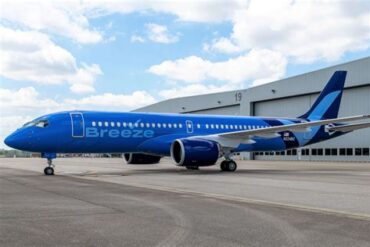
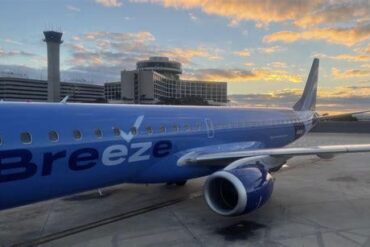
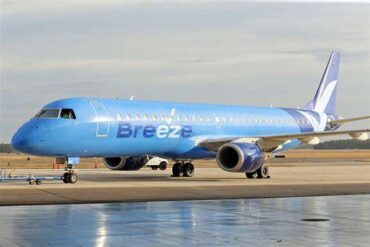
While JetBlue targets a major hub, Breeze Airways is focusing on transforming a smaller but strategically important airport. The airline has announced four new routes from Atlantic City, connecting the city to Fort Myers, Orlando, Myrtle Beach, and West Palm Beach.
Service to Orlando begins on May 8, initially operating three times per week before increasing to daily flights. The remaining routes will launch later in the year, with frequencies ranging from two to three weekly flights.
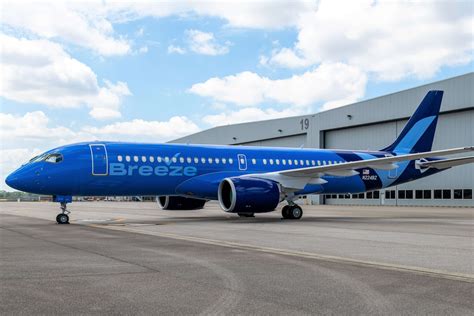
This expansion positions Breeze to become Atlantic City’s leading airline in the near future. Notably, the airline is stepping into routes that Spirit previously dominated, ensuring continuity in leisure travel options for the region.
Atlantic City Faces a Major Transition
For more than 30 years, Spirit Airlines was the backbone of Atlantic City’s air service, accounting for over 93% of total passenger traffic between 1992 and 2025. Its departure leaves a significant void that no single airline can easily replace.
In 2025 alone, Spirit carried approximately 663,000 passengers through the airport. Despite this volume, declining load factors indicated underlying challenges, which ultimately contributed to the airline’s downfall.
Breeze Airways now has the opportunity to reshape Atlantic City’s air service model. Unlike Spirit’s high-frequency, ultra-low-cost approach, Breeze focuses on targeted routes and efficient operations, potentially creating a more sustainable framework for the airport.
Full List of New Routes
JetBlue’s new routes from Fort Lauderdale:
- Barranquilla (daily from October 1)
- Cali (daily from October 15)
- Baltimore (three daily from July 9)
- Charlotte (three daily from July 9)
- Chicago O’Hare (two daily from June 9)
- Columbus (daily from November 2)
- Detroit (two daily from July 9)
- Houston Intercontinental (three daily from July 9)
- Indianapolis (daily from November 2)
- Nashville (three daily from July 9)
- Ponce (daily from July 9)
Breeze Airways’ new routes from Atlantic City:
- Fort Myers (three weekly from October 22)
- Orlando (three weekly from May 8, increasing to daily)
- Myrtle Beach (two weekly from October 22)
- West Palm Beach (three weekly from December 17)
A Rapidly Evolving Competitive Landscape
The swift action by JetBlue and Breeze Airways demonstrates how quickly the aviation industry adapts to disruption. Rather than leaving gaps in the market, airlines move aggressively to capture demand and expand their reach.
JetBlue’s high-capacity approach contrasts with Breeze’s measured, strategic growth, highlighting two distinct paths to success. One prioritizes scale and frequency, while the other focuses on efficiency and underserved markets.
For travelers, this shift brings renewed connectivity and more choices. For the airlines, the real challenge lies ahead—ensuring these new routes deliver long-term profitability in a market that is still adjusting to sudden and significant change.