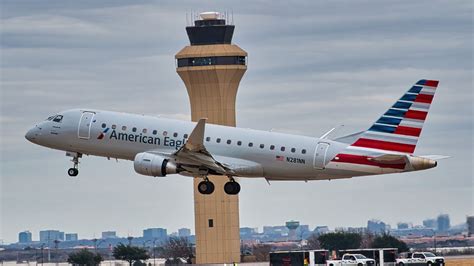
The second week of February delivers a concentrated burst of network expansion across the United States, as American Airlines, Avelo, Breeze Airways, Frontier Airlines, and Southwest Airlines collectively inaugurate 15 new routes in just five days. From small Essential Air Service markets to short-hop international links, the additions reflect a dynamic reshaping of capacity, competitive responses, and calculated bets on underserved city pairs.
Between February 10 and 14, carriers are not merely adding frequencies—they are redefining connectivity across Florida, Louisiana, the Midwest, and the Caribbean. Several routes are entirely new to the airlines operating them, and two have never previously seen scheduled service by any carrier. This concentrated rollout underscores how agile network planning has become in an era of shifting demand and opportunistic expansion.
American Airlines Strengthens Its Regional and Florida Footprint
American Airlines and its regional affiliates account for a substantial portion of the week’s launches. The carrier continues reinforcing its Charlotte Douglas International Airport (CLT) hub strategy, particularly toward Florida and smaller regional communities.
On February 10, American Eagle begins daily CRJ700 service between Charlotte and Lewisburg, West Virginia, filling the gap left by Contour Airlines. Just days later, on February 12, Charlotte gains an entirely new market: Vero Beach, Florida. Operated daily by PSA Airlines with CRJ900 aircraft, the route marks the first time any airline has connected the two cities with scheduled service. By 2026, American and American Eagle will serve 17 Florida airports from Charlotte, demonstrating a deliberate saturation strategy in the Sunshine State.
February 13 brings another Essential Air Service development, as Chicago O’Hare to Lewisburg launches with daily CRJ700 operations. That same day, American Eagle connects New York LaGuardia to Savannah with twice-weekly Embraer E170/E175 flights, targeting leisure and visiting-friends-and-relatives traffic.
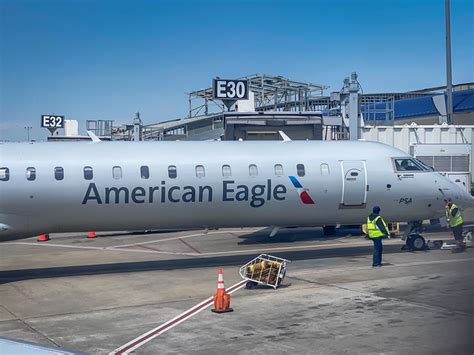
The most intriguing addition arrives on February 14: Miami to Bimini. At just 56 nautical miles (104 km) each way, it becomes American’s shortest route across its entire network. Operated three times weekly by Envoy Air’s E175, the flight reintroduces service to a market unserved since 2018. Miami’s massive connectivity amplifies the route’s potential, offering seamless onward access to dozens of domestic and international destinations.
Avelo and Breeze Target Underserved Leisure Corridors
While American reinforces hubs, Avelo Airlines and Breeze Airways pursue niche opportunities.
Avelo launches Detroit to Lakeland, Florida on February 11 with twice-weekly Boeing 737-800 flights. Lakeland’s proximity to Orlando and Tampa provides access to Central Florida’s leisure draw without the congestion of larger airports. The route represents a brand-new market—no airline has previously operated it—aligning with Avelo’s strategy of stimulating demand where none formally existed.
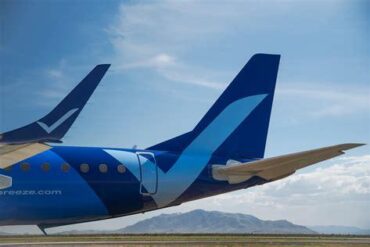
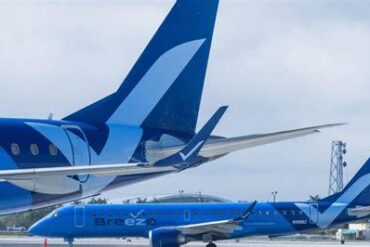
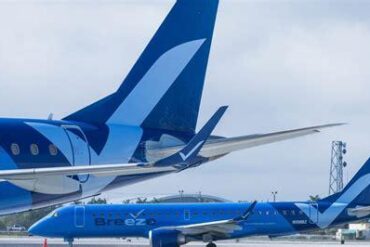
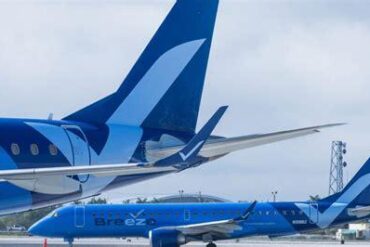
Breeze Airways introduces Providence to Cancun on February 14, operating weekly Airbus A220-300 service. This flight carries particular significance: it restores international passenger service to Rhode Island after BermudAir’s brief Bermuda link ended in 2025. For Providence travelers, Cancun becomes the sole international scheduled option, underscoring Breeze’s willingness to fill geographic gaps.
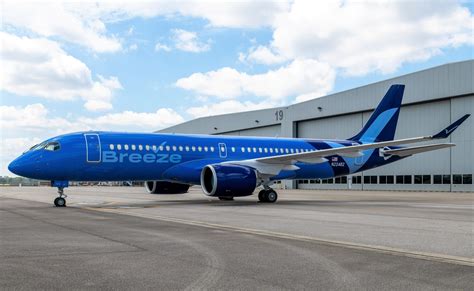
The A220’s economics—lower fuel burn, extended range, and modern cabin appeal—make it well suited for thin international leisure routes that legacy carriers may overlook.
Frontier Airlines Expands Aggressively in New Orleans
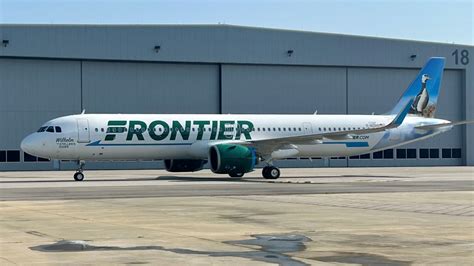
If one city defines this expansion wave, it is New Orleans. Frontier Airlines launches five routes from Louis Armstrong New Orleans International Airport (MSY) within the examined period, capitalizing on competitive shifts and demand tied to regional events.
Beginning February 12, Frontier adds New Orleans–Baltimore, New Orleans–Dallas/Fort Worth, New Orleans–Houston Intercontinental, and New Orleans–Las Vegas. Most operate two to four times weekly. On February 13, New Orleans–Detroit joins the map.
These launches appear strategically timed. Spirit Airlines’ withdrawal from certain New Orleans routes creates openings that Frontier is clearly willing to exploit. When one ultra-low-cost carrier exits, another often steps in, preserving fare-sensitive capacity while reshaping the competitive landscape.
Beyond Louisiana, Frontier also adds Chicago O’Hare to Miami, scaling from three weekly to daily service, and Orlando to Pensacola, offering up to four weekly flights. These additions reinforce Frontier’s East Coast and Florida corridor focus.
Notably excluded are short-term Mardi Gras routes lasting less than a month, signaling that this expansion reflects sustained scheduling rather than temporary event-driven capacity.
Southwest Connects Milwaukee and Miami
On February 14, Southwest Airlines launches weekly service between Milwaukee and Miami using Boeing 737-700 and 737-800 aircraft. While modest in frequency, the route strengthens Southwest’s north–south leisure connectivity and complements its broader Florida strategy.
Milwaukee passengers gain direct access to South Florida’s cruise ports and beaches, while Miami diversifies inbound Midwestern demand.
The Strategic Significance of Miami–Bimini
The Miami–Bimini route warrants particular attention. At 56 nautical miles, the flight will likely spend more time taxiing and climbing than cruising. Historically served by Bahamasair, Continental Connection, and Silver Airways, the route has remained dormant since 2018.
American’s entry leverages Miami International Airport’s global connectivity, transforming what could be a hyper-local shuttle into an international feeder link. Load factor performance will reveal whether short-haul Caribbean hops can thrive within a legacy carrier’s structure. If successful, it may signal renewed interest in micro-international markets from major U.S. airlines.
A Rapid Snapshot of Network Evolution
Fifteen routes in five days represent more than numerical growth. They reveal targeted hub reinforcement, opportunistic competitive responses, and calculated leisure expansion. American deepens Florida connectivity, Breeze restores international access to Rhode Island, Avelo stimulates a fresh Detroit–Lakeland market, and Frontier aggressively positions itself in New Orleans amid competitive retrenchment.
This concentrated rollout illustrates how U.S. airlines are balancing precision with ambition. Rather than sweeping nationwide overhauls, carriers are layering selective additions—each designed to strengthen network density, capture displaced demand, or exploit unserved corridors.
In a market defined by volatility and opportunity, five days of route launches provide a revealing cross-section of strategic intent.