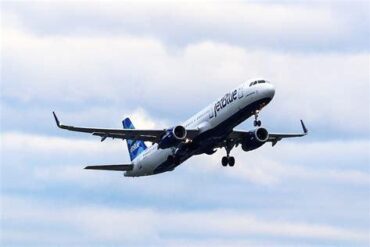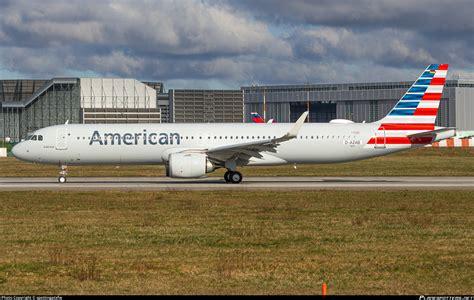
An American Airlines Airbus A321 was forced to remain airborne for more than two hours near Aruba after experiencing a hydraulic problem shortly after takeoff, prompting the flight crew to return to the island before continuing toward its intended destination in the United States. The incident unfolded on March 12, when the narrowbody jet departed Queen Beatrix International Airport in Aruba bound for Philadelphia International Airport, a route regularly served by the airline. While the situation never escalated into an emergency landing, the extended circling maneuver highlighted the strict safety procedures airlines follow when critical aircraft systems show signs of malfunction.
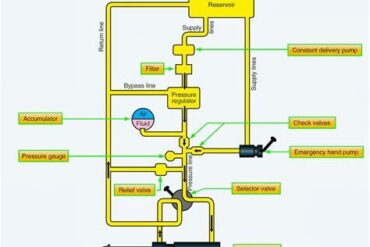
Shortly after leaving the runway in Aruba, cockpit indications alerted the crew to a potential issue within the aircraft’s hydraulic system. Modern commercial aircraft rely heavily on hydraulic pressure to operate vital components including flight control surfaces, landing gear, brakes, and other mechanical systems. Even a partial degradation can prompt pilots to carefully reassess the situation. Rather than continuing the multi-hour transcontinental flight to Philadelphia, the crew made the precautionary decision to remain close to Aruba and prepare for a controlled return.
Contrary to speculation circulating online, the airline clarified that the event was not related to a tailstrike. Early rumors suggested the aircraft’s tail might have contacted the runway during departure, but airline officials confirmed the decision to return was strictly related to the hydraulic system alert. Such clarity matters in aviation reporting because a tailstrike involves structural inspections and entirely different operational considerations compared with a hydraulic system anomaly.
Hydraulic Systems: The Hidden Backbone of Modern Aircraft
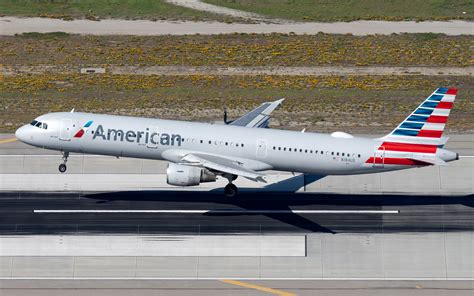
The significance of a hydraulic malfunction lies in how deeply integrated these systems are within modern jetliners. The Airbus A321, a member of the widely used A320 family, utilizes multiple independent hydraulic circuits designed with redundancy to maintain aircraft control even if one system fails. These circuits power the movement of ailerons, elevators, rudder components, spoilers, and landing gear mechanisms, allowing pilots to maneuver the aircraft with precision.
While the presence of redundant systems typically prevents immediate danger, any irregularity requires careful evaluation. Pilots must determine whether the issue is minor or whether it could escalate if the aircraft continues its journey. On a long over-water segment between Aruba and the northeastern United States, continuing forward with a potential hydraulic fault could complicate diversion options later in the flight. Returning to the departure airport offered the safest and most predictable outcome.
The crew therefore initiated standard operating procedures: stabilize the aircraft, analyze system alerts, and coordinate with air traffic control while remaining in a holding pattern. From the outside, passengers may have noticed little more than a prolonged flight path looping above the Caribbean Sea.
Circling the Island: Why the Aircraft Stayed Airborne
Flight tracking data later revealed that the aircraft remained at approximately 4,000 feet while circling to the west of Aruba. This extended flight pattern was not caused by difficulty controlling the aircraft but by a simple physical constraint: weight.
Commercial jets have a maximum landing weight, which is significantly lower than their maximum takeoff weight. Aircraft departing for long flights carry large quantities of fuel, often far exceeding the limit allowed for landing immediately after departure. In this case, the Aruba-to-Philadelphia route typically lasts more than four hours, meaning the aircraft had departed with enough fuel for the entire journey plus regulatory reserves.
Because the Airbus A321 does not include a fuel-dumping system, the only practical method to reduce weight is to burn fuel while flying. The pilots therefore remained airborne for more than two hours, gradually lowering the aircraft’s mass until it reached a safe landing threshold. During this period the jet traced wide loops over open water, maintaining a safe altitude while engineers and operations teams assessed the situation from the ground.
Airport Operations Pause for Safety Checks
While the aircraft circled offshore, ground teams at Queen Beatrix International Airport conducted precautionary checks on the runway and surrounding areas. Airport authorities inspected the surface for any signs of Foreign Object Debris (FOD), which can pose hazards to aircraft engines or landing gear.
Incoming flights reportedly experienced temporary holds while these inspections were carried out. Such measures are routine when an aircraft returns shortly after takeoff because authorities must ensure the runway environment remains clear of debris or potential damage from the initial departure.
Once the A321 reached an acceptable landing weight, the crew aligned for Runway 11 and completed a safe landing. Passengers and crew disembarked without incident, bringing the operational challenge to a calm conclusion.
Aircraft Remains Grounded Days After the Event
Data associated with the aircraft indicates the jet involved in the incident is an 11-year-old Airbus A321 registered N120EE. Nearly three days after the event, the aircraft was still positioned at the Aruba airport, suggesting maintenance teams were conducting detailed inspections or waiting for replacement components.
When technical issues occur away from a carrier’s primary base, maintenance logistics become more complex. Specialized parts, engineering teams, and diagnostic equipment may need to be flown in from other locations. Despite Aruba not serving as a formal base for the airline, American Airlines maintains a steady operational presence on the island, which helps streamline the process.
The carrier runs regular services connecting Aruba to several major U.S. hubs, including Charlotte, Miami, Chicago O’Hare, and Philadelphia. That network presence allows technicians and replacement parts to be transported quickly, ensuring grounded aircraft can be repaired without excessive delays.
The Route Between Aruba and Philadelphia
The flight involved in the incident normally operates as AA870, departing Philadelphia in the morning and returning to Aruba in the afternoon. During peak demand periods such as Saturdays, an additional service also links the two destinations, underscoring the popularity of the Caribbean route among vacation travelers.
The Airbus A321 is well suited for such medium-range routes, offering a balance of passenger capacity and efficiency. Airlines frequently deploy it on high-demand leisure markets connecting the continental United States with Caribbean destinations.
A Routine Safety Decision With a Safe Outcome
Although the sight of a commercial aircraft circling an island for hours may seem dramatic, the episode reflects how aviation safety protocols prioritize caution and redundancy. Modern aircraft are designed to handle system irregularities while flight crews undergo extensive training to respond methodically when alerts occur.
By remaining close to Aruba, burning excess fuel, and coordinating closely with ground teams, the crew ensured the aircraft landed safely under controlled conditions. The event serves as a reminder that even routine mechanical warnings trigger comprehensive safety procedures within commercial aviation.
Once maintenance teams complete their inspections and any necessary repairs, the aircraft will likely rejoin the airline’s fleet, returning to the skies on the same Caribbean routes that millions of travelers rely on each year.