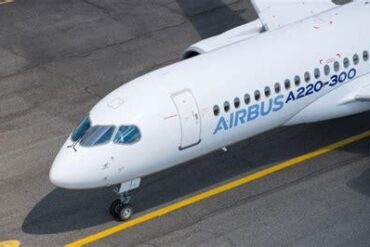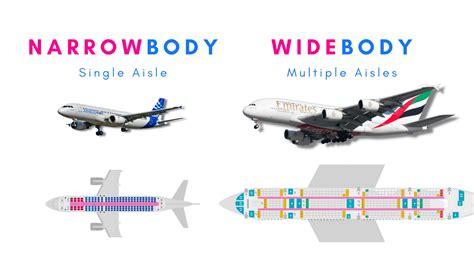
Narrow-body aircraft are rewriting the transatlantic playbook, emerging as agile contenders in long-haul commercial aviation where wide-bodies once ruled unchallenged. With superior fuel efficiency, lower operating costs, and access to underserved markets, narrow-body jets are powering a silent revolution across the skies that connect North America and Europe.
The Rise of the Narrow-Body in Long-Haul Travel
Over the past decade, the aviation industry has undergone significant restructuring. The economics of post-pandemic travel, coupled with technological advancements in aircraft design, have favored smaller, more efficient planes. The Airbus A321neoLR and its successor, the A321XLR, have spearheaded this transformation, offering transatlantic range without the overhead of wide-body maintenance and fuel consumption. In 2025 alone, more than 56,500 transatlantic flights are scheduled to be operated by narrow-body aircraft — a staggering 50% increase from pre-pandemic 2019 figures.
This shift is not merely a cost-cutting measure. It reflects a calculated strategy that enables airlines to fly directly to secondary cities, optimize capacity, and respond swiftly to demand shifts. The economics are compelling: fewer empty seats, reduced fuel usage, and more flexibility in route planning.
Airbus A321neoLR & A321XLR: The Game Changers
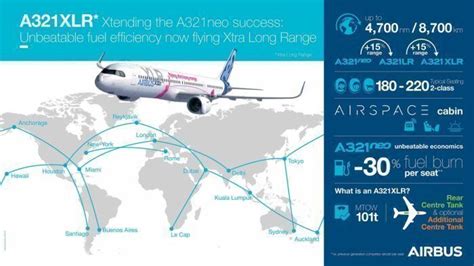
The Airbus A321neoLR, introduced in 2018, marked a turning point for single-aisle aircraft. Designed to travel farther than its predecessor, the LR variant gave airlines the ability to operate flights up to 4,000 nautical miles, making it suitable for medium-range transatlantic operations.
But Airbus didn’t stop there. The A321XLR (Extra Long Range) launched in 2023, pushed boundaries further with an impressive 5,400-mile range, enabling direct flights from continental U.S. cities to deep European interiors. This technological leap has empowered carriers to explore routes that were previously considered unviable with wide-bodies.
United Airlines plans to use the A321XLR for routes to Northern Italy and North Africa, while Aer Lingus is connecting Dublin with Indianapolis and Nashville, two American cities previously underserved by direct flights.
Boeing’s Narrowbody Approach
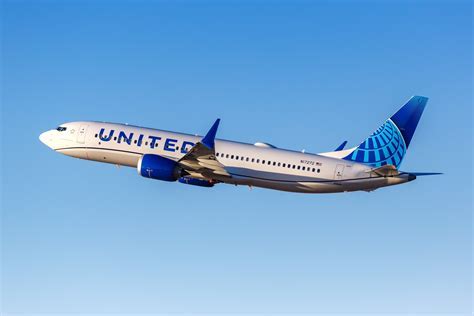
While Airbus dominates the long-haul narrow-body space, Boeing is not absent. The Boeing 737 Max 8, although more limited in range, is actively utilized by major carriers like Air Canada, WestJet, and United Airlines. United’s seasonal flights to Ponta Delgada in the Azores and new launches to Nuuk (Greenland) and Madeira (Portugal) underscore the Max’s strategic role in niche market penetration.
These flights, often less expensive and more direct than traditional wide-body one-stop options, are favored by travelers seeking faster access and competitive pricing. A direct Newark–Madeira roundtrip ticket via United’s 737 Max averages $1,200, while the TAP one-stop alternative is only marginally cheaper and significantly longer.
Passenger Experience in a Narrower Cabin
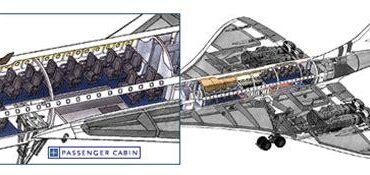
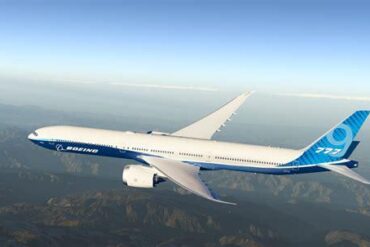
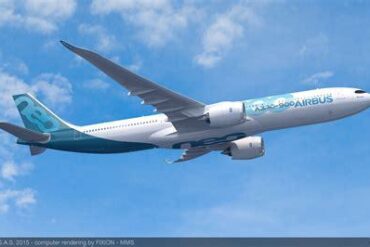
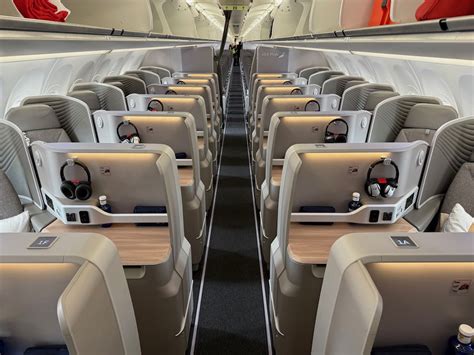
A common concern about narrow-body transatlantic travel is passenger comfort. While the cabin width and seat configurations differ from the plush expanses of wide-bodies like the Boeing 777 or Airbus A350, airlines have worked to modernize the experience.
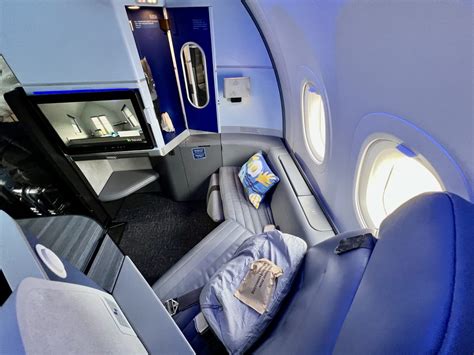
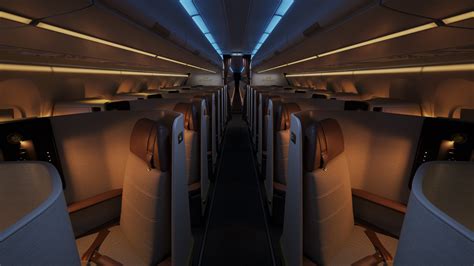
JetBlue’s Mint Suite business class on the A321LR is a standout, offering 24 lie-flat seats with privacy doors — occupying nearly a third of the plane’s real estate. Similarly, Iberia’s A321XLR includes 14 semi-private lie-flat seats, while Aer Lingus outfits its narrowbodies with full business-class beds.
Some carriers opt for a more budget-friendly setup. Icelandair’s “Saga Premium” is more akin to premium economy, with recliner-style seats replacing full lie-flat configurations. Others, like Play Airlines and Air Greenland, strip down their narrowbodies to a single-class economy layout — prioritizing cost over comfort in return for ultra-competitive fares.
Operational Efficiency and Route Optimization
The operational advantage of narrow-body aircraft is in their agility. These jets require less airport infrastructure, making them ideal for secondary airports that lack the facilities to accommodate wide-bodies. This grants airlines the freedom to open up direct routes to destinations off the traditional hub-and-spoke radar.
Moreover, with faster boarding and deplaning, turnarounds are quicker, and aircraft utilization increases — critical for improving ROI on each frame. Smaller cabins also mean leaner in-flight crew requirements and lower catering expenses, further compressing the cost structure.
Competitive Pricing and Market Expansion
From a pricing perspective, narrowbodies enable price elasticity without slashing profits. Airlines can offer fares that are attractive to both leisure and business travelers. For instance, Iberia’s A321XLR flights between Washington, DC, and Madrid are regularly priced on par or lower than wide-body options offered by competitors.
With fewer seats to sell, airlines experience higher load factors even on lower-demand routes, ensuring sustainability. Meanwhile, the opportunity to offer premium seating, even in smaller volumes, helps extract maximum yield from front-cabin travelers.
Environmental and Fleet Considerations
Narrow-body aircraft also present environmental advantages. The new-generation engines and winglets on models like the A321neo and 737 Max reduce fuel burn by up to 20% compared to older aircraft. For airlines under increasing pressure to cut emissions and meet global sustainability targets, narrow-bodies offer a greener alternative for long-haul operations.
Fleet-wise, these aircraft reduce complexity. The same plane that flies from Boston to Chicago in the morning can be prepped for a New York to Dublin route by evening. This harmonization of fleets allows for maintenance consolidation, pilot cross-training, and optimized spare parts logistics.
Airline Strategies and Differentiation
Not all carriers are approaching the narrow-body boom the same way. La Compagnie, a French boutique airline, operates all-business-class A321LRs. The minimalist approach, though more affordable than legacy business offerings, still provides passengers with lie-flat comfort — at a starting fare of $2,500 roundtrip.
In contrast, Play Airlines banks on ultra-low fares and barebones service to lure budget-conscious travelers across the Atlantic via Iceland. This allows travelers to fly to Europe at a fraction of the cost — if they’re willing to forgo luxury.
Such polar strategies underline the flexibility of narrowbody platforms, serving both premium and ultra-economy segments with equal effectiveness depending on the airline’s positioning.
Future Outlook
As airline order books for the A321XLR continue to fill — with United, American, and Aer Lingus among early adopters — the narrow-body era of transatlantic travel is poised to expand further. Future enhancements in engine performance, cabin pressurization, and onboard amenities are expected to narrow the comfort gap even more between narrow and wide-body planes.
Moreover, as airline alliances and codeshare agreements evolve, travelers may find themselves flying mixed itineraries — with a wide-body outbound and narrow-body return. The seamless integration of these aircraft into intercontinental networks signals a permanent change in how the skies are traversed.
FAQs
What is a narrow-body aircraft?
A narrow-body aircraft is a single-aisle jet typically used for short to medium-haul flights. However, newer models like the Airbus A321XLR and Boeing 737 Max 8 have transatlantic range capabilities, allowing them to operate long-haul routes previously dominated by wide-body jets.
Are narrow-body planes comfortable for long-haul flights?
Yes, modern narrow-body jets are equipped with advanced cabin features. Airlines such as JetBlue and Aer Lingus offer lie-flat business class seats, while many others provide premium economy recliners and upgraded economy seating. While cabin space is tighter, the onboard experience has significantly improved.
Why are airlines using narrow-body aircraft for transatlantic flights?
Airlines are embracing narrow-body aircraft on long-haul routes due to lower operating costs, increased fuel efficiency, and the ability to serve secondary city pairs profitably. These planes make direct, niche-market flights viable while maintaining competitive fares and decent service quality.