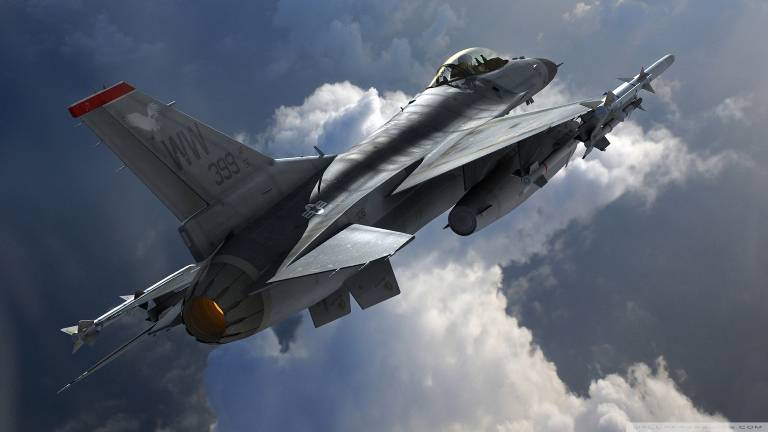
The F-16 Fighting Falcon is one of the most versatile and battle-proven multirole fighter jets in the world. Among its many combat capabilities, its strafe ability—low-altitude, high-speed gun runs using the M61A1 Vulcan 20mm Gatling cannon—is a crucial component of close air support (CAS) and suppression of enemy positions. Combining high maneuverability, cutting-edge avionics, and a powerful weapons suite, the F-16 delivers devastating firepower with pinpoint accuracy.
M61A1 Vulcan: The Core of F-16’s Strafe Capability
Weapon Specifications and Performance
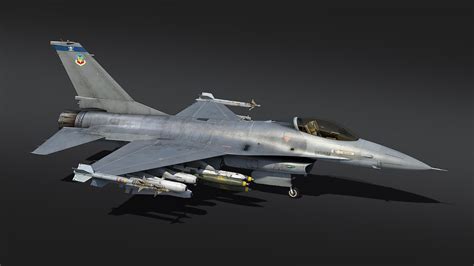
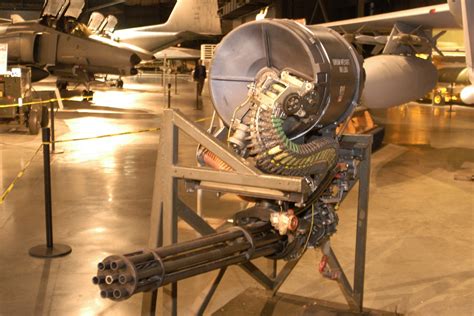
The F-16 is equipped with the M61A1 Vulcan, a 20mm, six-barrel, rotary Gatling-style autocannon capable of unleashing a hailstorm of bullets.
- Rate of Fire: Up to 6,000 rounds per minute
- Ammunition Capacity: 511 rounds stored in a drum within the fuselage
- Effective Firing Range: Approximately 1,000 meters
- Munitions Type: Typically PGU-28/B SAPHEI (Semi-Armor Piercing High-Explosive Incendiary) rounds, designed to penetrate armored targets and detonate on impact.
The cannon is integrated with the HUD (Head-Up Display) and fire control system, which provides a calculated aiming solution, accounting for bullet trajectory, aircraft speed, and target movement.
Installation and Aerodynamic Design
Unlike older fighter aircraft that mounted their cannons in the fuselage, the F-16’s M61A1 is positioned in the left-wing root. This reduces asymmetric recoil effects and ensures that the aircraft maintains stability during extended bursts. The compact design also minimizes interference with the aircraft’s aerodynamic performance, maintaining its agility during combat operations.
Tactical Applications and Combat Scenarios
Low-Altitude Strafing Missions
One of the F-16’s most critical combat applications is low-altitude strafe attacks. By flying at extremely low altitudes (as low as 2000 feet or 610 meters) at high speeds, pilots can avoid radar detection and engage enemy ground targets with precision.
- Urban Warfare: The F-16’s strafe capability is vital in urban combat, where precision firepower is needed to eliminate enemy combatants without excessive collateral damage.
- Enemy Air Defense Suppression: Pilots often strafe anti-aircraft positions, surface-to-air missile (SAM) sites, and enemy convoys, using the cannon to suppress enemy resistance before launching more advanced ordnance.
- Close Air Support (CAS): In coordination with ground forces, the F-16’s strafing runs are used to pin down enemy troops and provide cover for friendly units.
Real-World Combat Examples
Operation Opera (1981)
During Israel’s airstrike on Iraq’s Osirak nuclear reactor, F-16s executed high-speed, low-altitude penetration tactics, flying beneath enemy radar before delivering their ordnance. While primarily a bombing mission, the F-16’s strafe capability remained an integral backup in case of engagement with enemy forces.
Gulf War (1991)
In Operation Desert Storm, F-16s conducted multiple strafing runs against Iraqi armored divisions and artillery positions. Pilots engaged targets using the M61A1 to suppress enemy ground forces, particularly in support of advancing coalition troops.
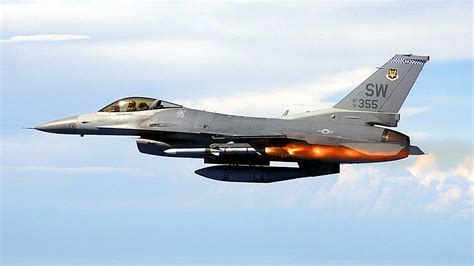
Technological Upgrades Enhancing Strafing Effectiveness
Avionics and Fire Control Improvements
The F-16V (Block 70/72) incorporates several technological advancements that enhance its strafe effectiveness:
- AN/APG-83 AESA Radar: Extends ground target detection by 30%, allowing pilots to engage enemy assets with greater accuracy.
- Joint Helmet-Mounted Cueing System (JHMCS): Enables pilots to target enemy assets simply by looking at them, increasing efficiency in rapid engagements.
- Advanced Fire Control Systems: Uses synthetic aperture radar (SAR) modes to generate highly detailed ground maps, allowing pilots to identify targets even in poor visibility conditions.
Survivability Enhancements
To increase survival during strafing runs, modern F-16s are equipped with:
- AN/ALQ-211 Electronic Warfare Suite: Jams enemy radar and missile guidance systems.
- ALE-47 Countermeasure Dispenser: Deploys flares and chaff to confuse enemy air defenses.
- High-Maneuverability Airframe: The F-16’s relaxed static stability and fly-by-wire system allow pilots to evade incoming fire more effectively while conducting gun runs.
Operational Costs and Maintenance
Cost per Flight Hour
Despite its combat effectiveness, the F-16 is cost-effective compared to other fighter jets:
- Operational Cost: Approximately $22,514 per flight hour
- Fuel Costs: Around $5,700 per hour
- Annual Maintenance Costs: Estimated at $10 million per aircraft
The F-16’s modular design simplifies maintenance, ensuring rapid turnaround times for combat missions. This efficiency makes it a favorite among over 25 air forces worldwide.
Conclusion
The F-16 Fighting Falcon remains one of the most lethal aircraft for strafing missions, thanks to its powerful M61A1 Vulcan cannon, unmatched agility, and advanced avionics. With continuous upgrades to radar, fire control, and survivability systems, the F-16 will likely retain its combat effectiveness well into 2060. As a cost-efficient and highly versatile platform, it remains a cornerstone of modern air forces, capable of delivering precise and devastating firepower against ground targets.
FAQ Section
1. How effective is the F-16’s strafing capability compared to other fighter jets?
The F-16 excels in strafing due to its high maneuverability, accurate fire control system, and integration with helmet-mounted targeting. While aircraft like the A-10 Thunderbolt II have larger cannons, the F-16 compensates with greater speed, survivability, and multi-role flexibility.
2. Can the F-16 strafe while carrying a full weapons loadout?
Yes, the F-16 can execute strafing runs even when fully loaded with missiles, bombs, and external fuel tanks. The aircraft’s powerful engine and low wing loading allow it to maintain stability and effectiveness during strafing maneuvers.
3. How does the F-16 avoid enemy fire during strafing runs?
F-16 pilots use high-speed, low-altitude approaches, electronic countermeasures, and aggressive evasive maneuvers to minimize the risk of being hit by anti-aircraft artillery or surface-to-air missiles. Additionally, chaff and flare dispensers provide extra protection against enemy defenses.