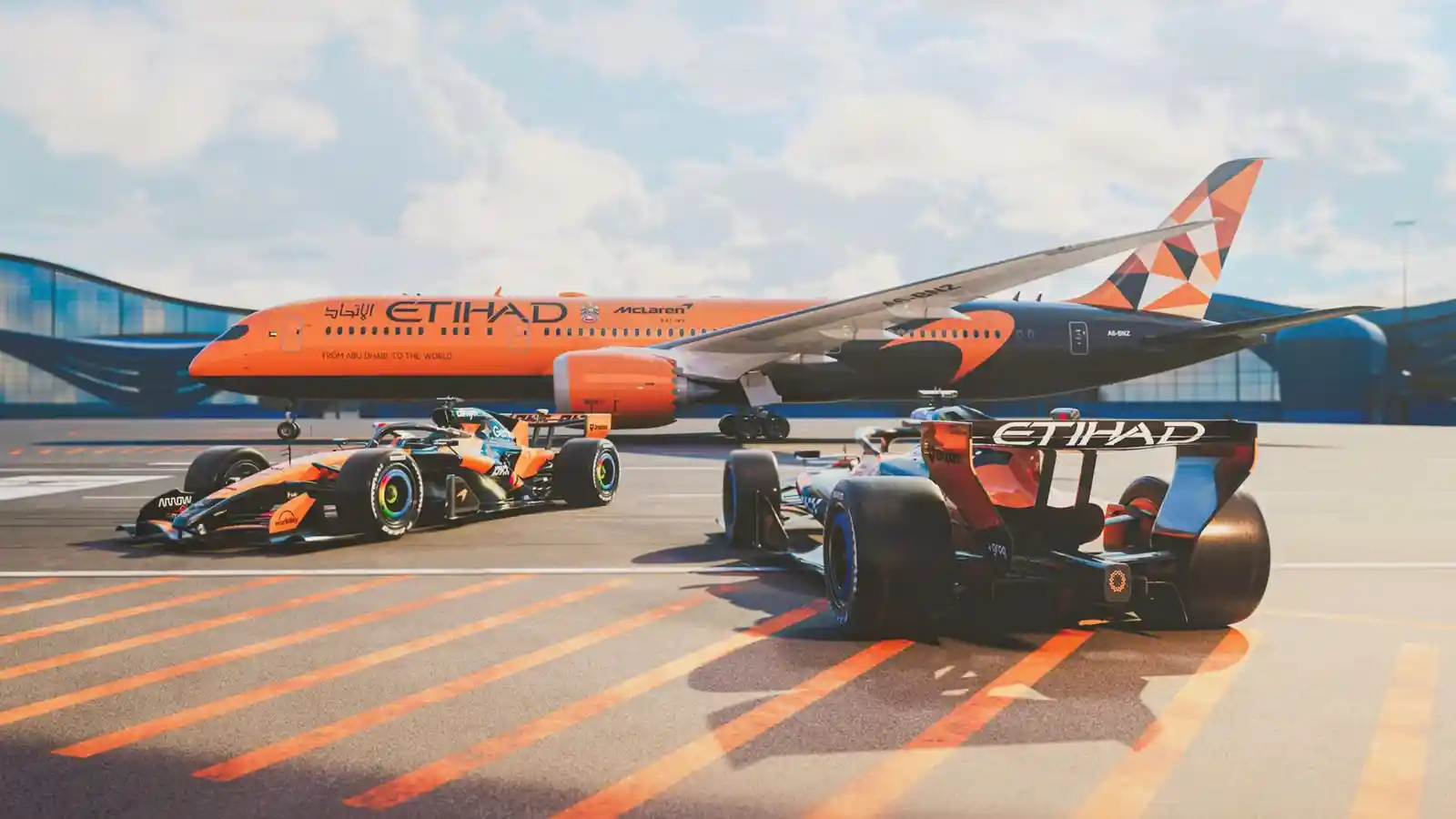
Etihad Airways is stepping deeper into the global motorsport spotlight with a new multi-series partnership with McLaren Racing, beginning with the 2026 season and extending across both Formula 1 and the World Endurance Championship Hypercar program. The agreement binds one of aviation’s most brand-forward carriers with one of racing’s most recognizable teams at a moment when Formula 1’s commercial gravity has never been stronger. The partnership is designed to live on television screens, racetracks, airport aprons, and social feeds at once, weaving McLaren’s competitive momentum into Etihad’s global network strategy with an emphasis on premium travel experiences and international reach.
The timing of the announcement is no accident. McLaren enters the deal as the dominant force in recent Formula 1 campaigns, while Etihad continues to position Abu Dhabi as a premium global gateway. The partnership does more than place logos on race cars. It ties together two brands that trade in speed, precision, and carefully engineered spectacle. Formula 1’s calendar mirrors Etihad’s network ambitions, touching Asia-Pacific growth markets, established European hubs, and lucrative North American routes in a rhythm that keeps the airline’s name circulating across continents week after week.
A Multi-Series Deal That Mirrors McLaren’s Global Footprint
The partnership makes Etihad an official partner of both the McLaren Mastercard Formula 1 Team and the McLaren United Autosports WEC Hypercar Team, embedding the airline across two of the most visible platforms in global motorsport. Formula 1 delivers weekly broadcast reach and cultural relevance, while the WEC Hypercar program provides a narrative of endurance, engineering prestige, and destination racing at iconic venues. Together, the series create a year-round presence that tracks the same international corridors Etihad flies daily, turning race weekends into moving brand showcases that echo the airline’s global map.
McLaren’s racing calendar functions like a live, roaming billboard that never stays in one city for long. For Etihad, that mobility matters. The airline gains continuous exposure in markets that are strategically aligned with its growth plans, from Asia-Pacific routes feeding into Abu Dhabi International Airport to transatlantic corridors connecting Europe and North America. The deal also taps into the demographic overlap between motorsport audiences and premium travelers. Formula 1’s modern fan base skews international, digitally engaged, and increasingly affluent, a profile that aligns neatly with Etihad’s emphasis on long-haul premium cabins and destination-driven travel.
Turning A Boeing 787 Into A Flying Brand Statement
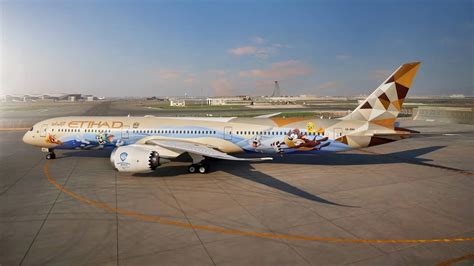
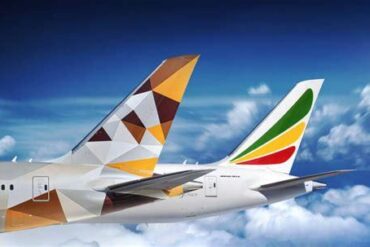
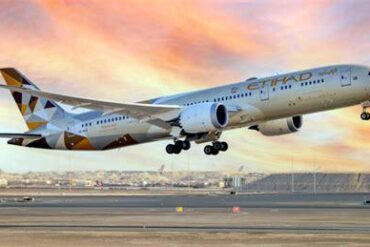
The visual centerpiece of the partnership is Etihad’s plan to introduce a McLaren-branded Boeing 787-9 into its long-haul fleet. Special liveries have become one of the few aviation marketing moves that reliably break out beyond industry circles, generating attention across mainstream media, social platforms, and the planespotting community. The 787-9 is a deliberate choice. As Etihad’s flagship long-haul workhorse, it appears at major global hubs and on high-profile routes, ensuring the McLaren branding is seen by millions of travelers and aviation enthusiasts who might never tune into a race broadcast.
This is where the partnership escapes the confines of motorsport. A specially painted widebody aircraft becomes a moving symbol of collaboration, photographed on taxiways in London, New York, Singapore, and Sydney, and shared organically across social platforms whenever it touches down. The aircraft functions as a roaming ambassador for both brands, extending the life of the partnership beyond race weekends and into everyday travel moments. In an era when airline marketing competes for attention with infinite digital noise, a distinctive livery provides a physical spectacle that cuts through with surprising efficiency.
Strategic Placement On The Car, Helmets, And Broadcast Frames
On track, Etihad’s branding will occupy some of the most valuable real estate on the McLaren Formula 1 car, including the rear wing and halo, as well as the drivers’ helmets. These placements are chosen for their relentless presence in broadcast frames. The halo sits at the center of onboard camera shots and close-up replays, making it one of the most frequently visible surfaces in modern Formula 1 coverage. The rear wing dominates rear-facing photography in braking zones and slow corners, where photographers capture the tension of late-braking battles and tire smoke.
These placements are not cosmetic details. Formula 1’s broadcast language is visual repetition. Brands that live in the center of the frame accumulate familiarity with audiences through sheer exposure. Helmets add another layer of intimacy, appearing in post-race interviews, parc fermé celebrations, and social content that circulates far beyond live race broadcasts. The cumulative effect is a brand presence that feels woven into the fabric of the team rather than simply attached to it.
Abu Dhabi, Lando Norris, And A Perfectly Aligned Narrative
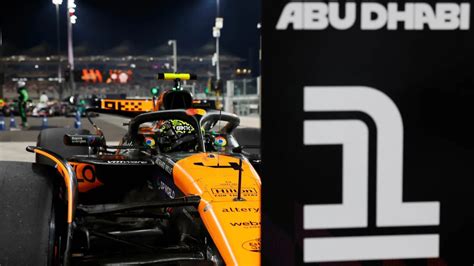
The partnership narrative carries a symbolic resonance rooted in Abu Dhabi. McLaren’s recent championship success, sealed at the Etihad Airways Abu Dhabi Grand Prix, offers a storytelling arc that feels almost pre-written for a brand collaboration. Abu Dhabi is more than a race location for Etihad. It is the airline’s home stage, a globally televised showcase of the city’s ambition to sit at the crossroads of international travel. Tying McLaren’s competitive peak to Etihad’s home race reinforces the sense that this partnership is anchored in place as much as it is designed for motion.
This alignment deepens the emotional logic of the deal. Formula 1 thrives on narratives of momentum and moments of climax. By connecting McLaren’s championship success to Etihad’s flagship event, the partnership gains a built-in story that can be revisited season after season. The Abu Dhabi Grand Prix already functions as the sport’s grand finale. With Etihad now embedded within McLaren’s competitive story, that finale becomes a natural focal point for hospitality programs, fan activations, and brand storytelling that ties racing drama to travel experiences.
Why Endurance Racing Strengthens The Airline’s Brand Play
The inclusion of McLaren’s WEC Hypercar program extends the partnership into a different emotional register of motorsport. Endurance racing trades on heritage, technical endurance, and destination events that draw fans who travel specifically to experience iconic races such as the 24 Hours of Le Mans. This audience overlaps with Etihad’s premium long-haul customer base in a way that short-form racing alone cannot. Endurance events are often multi-day experiences that encourage international travel, hospitality, and destination-focused storytelling, making them fertile ground for an airline brand seeking to associate itself with immersive journeys.
WEC also offers McLaren a narrative of technological resilience and long-form competition that complements the sprint intensity of Formula 1. For Etihad, this dual presence across series broadens the emotional palette of the partnership. The brand becomes associated not only with speed and spectacle but also with stamina, engineering depth, and the romance of long-distance journeys, themes that mirror the airline’s own promise of connecting distant places with reliability and refinement.
A Marketing Strategy Built For Earned Media, Not Just Logos
What distinguishes this partnership is the emphasis on assets that generate earned media beyond paid placements. The McLaren-branded 787 is designed to be photographed, shared, and discussed by audiences who are not actively seeking motorsport content. Every sighting of the aircraft at a major hub becomes an organic brand moment. Every onboard photo shared by a passenger becomes a micro-activation. This kind of exposure compounds over time, delivering visibility that feels less like advertising and more like cultural presence.
Formula 1’s modern media ecosystem amplifies this effect. Drivers’ social channels, behind-the-scenes team content, and fan-driven platforms extend the reach of any visual element associated with the team. Etihad’s branding on helmets and cars migrates naturally into these spaces, appearing in short-form clips, documentaries, and social storytelling that circulate long after a race weekend ends. The partnership is engineered to live in the long tail of digital attention, not just the peak moments of live broadcasts.
What The Partnership Signals For Airline Sponsorship In Motorsports
Airlines have long treated Formula 1 as a premium marketing platform, but the shift from event sponsorship to multi-series team partnerships reflects a deeper strategic intent. Event title sponsorship concentrates attention into a single weekend. Team partnerships distribute that attention across an entire season, multiplying exposure and embedding the brand within the sport’s ongoing narrative. For Etihad, this move transforms its relationship with Formula 1 from a spectacular annual showcase into a continuous global presence that travels with the sport’s momentum.
The partnership also signals a broader evolution in how airlines activate sports sponsorships. Static logo placement no longer carries the same impact it once did. The modern playbook emphasizes tangible, photogenic assets that live beyond the track. A specially liveried widebody aircraft accomplishes that with rare efficiency, turning routine airport operations into moments of brand theater. It is marketing that moves through real space, seen by travelers, airport workers, and passersby who may never engage with traditional motorsport coverage.
Etihad’s alignment with McLaren across Formula 1 and WEC positions the airline at the intersection of speed, endurance, and global mobility. The partnership reads as a statement of ambition rather than a transactional sponsorship. It binds two brands that thrive on precision and performance, then projects that alliance into the everyday geography of global travel. In a sport built on motion, the most powerful symbol of this deal is not confined to a racetrack. It will taxi down runways, cross oceans, and land in cities where the McLaren story continues to unfold far from the sound of engines.