A disturbing pattern of in-flight thefts has emerged aboard Etihad Airways’ route between Abu Dhabi and Hong Kong, prompting a formal investigation by Hong Kong authorities. The most recent incident, involving a diamond theft, has drawn widespread attention not only for the value of the stolen item but also due to the alarming frequency of similar crimes on this specific route.
A Diamond Heist Unfolds Mid-Flight
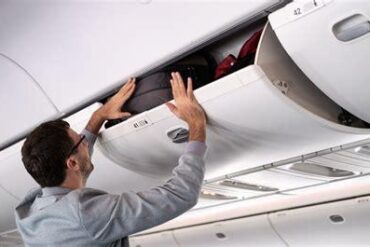
On Friday, December 26, Etihad Airways flight EY-870, operating from Abu Dhabi International Airport (AUH) to Hong Kong International Airport (HKG), became the scene of a brazen in-flight theft. A passenger reported that a diamond had vanished from their belongings stowed in the overhead bin. Cabin crew swiftly responded and notified Hong Kong authorities while still airborne.
Upon arrival, the aircraft was met by law enforcement. Officers boarded and detained a suspect on the spot, initiating a formal investigation. The speed and decisiveness of the response underscored the readiness of both the airline crew and airport police. However, this incident was not an isolated event.

A Worrying Pattern Along One Route
Over the past six months, four separate thefts have been reported on Etihad’s Abu Dhabi to Hong Kong flights. In all cases, items were taken from overhead storage compartments, with victims discovering the thefts mid-flight or upon arrival. Each incident, though different in detail, has followed a common modus operandi—discreet removal of valuables while passengers sleep or are otherwise distracted.
Earlier in December, a traveler reported their credit cards missing after landing. In November, a mainland Chinese national was arrested for stealing multiple cards from another passenger’s hand luggage stored above their seat. Back in summer, another incident saw three passengers arrested simultaneously on suspicion of theft.
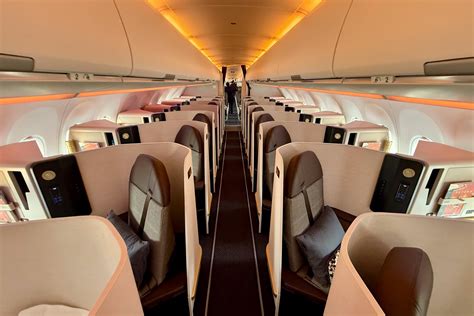
The concentration of incidents on this specific route has raised eyebrows across aviation security circles. While in-flight theft is not new, the repetitive targeting of Etihad’s EY-870 hints at either a known security loophole or a premeditated focus by organized petty criminals. Investigators are now examining whether there is any connection among the perpetrators.
The Rising Trend of In-Flight Thefts in Asia
Theft during flights is not confined to one airline or one route. Reports from Travel Weekly Asia and warnings issued by the International Air Travel Association (IATA) suggest that Southeast Asian routes—including those to Singapore and Malaysia—have seen similar incidents over the last 12 to 18 months. These flights, often carrying high volumes of international business and leisure travelers, present a tempting environment for thieves.
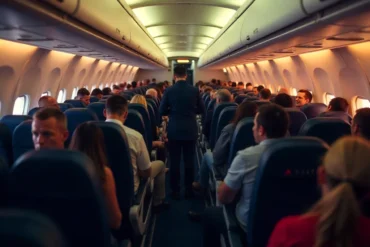
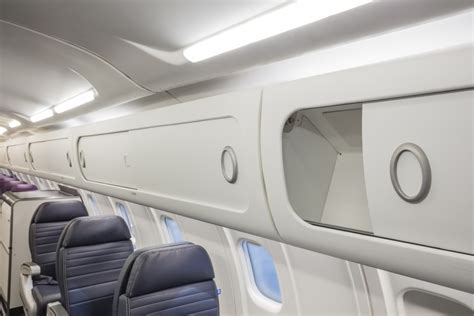
According to aviation security experts, overhead compartments are inherently insecure. They are accessible to anyone onboard, and in the darkened cabin environment of long-haul flights, it’s easy for malicious actors to open multiple bins without drawing attention.
Vulnerabilities in Modern Aircraft Cabins
Modern aircraft, including those used by Etihad on its long-haul routes, often come equipped with advanced camera systems. Some of these are discreetly integrated into in-flight entertainment (IFE) screens or placed strategically across the cabin. However, most airlines do not activate or monitor these systems in real time, citing privacy concerns and technical limitations.
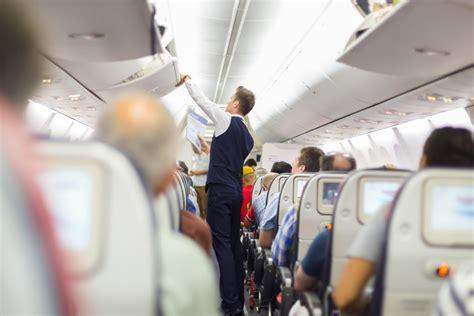
Moreover, cabin crew typically remain stationed near the galley for much of the flight, particularly during rest periods and overnight segments, making it difficult to monitor passenger movement throughout the cabin.
The result? A security vacuum that can be exploited with minimal effort, especially when passengers are asleep or distracted.
Can Airlines Do More to Prevent In-Flight Theft?
Despite the challenges, there are preventative strategies airlines could implement:
- Increased surveillance: Installing and monitoring cabin-facing cameras in key overhead bin zones.
- Targeted vigilance: Assigning crew members to monitor cabin activity on routes flagged for frequent theft.
- Passenger awareness: Providing pre-flight announcements warning of in-flight theft risks and encouraging travelers to keep valuables close.
- Restricted bin access: Encouraging passengers to stow high-value items under seats or in carry-ons placed in bins directly above them.
Yet, these solutions come with trade-offs, from cost implications to privacy concerns. The aviation industry, ever mindful of customer experience, must tread carefully.
The Role of Law Enforcement and Airport Authorities
The Hong Kong Police have been swift to act in each reported incident. Their immediate deployment upon aircraft arrival and successful detainment of suspects suggest a well-coordinated response protocol with airline security teams. However, this reactive approach needs to be complemented by proactive deterrence.
Etihad Airways, while not publicly commenting on the ongoing investigations, is reportedly working with international security consultants to reassess security protocols and consider tighter onboard surveillance. With repeated incidents harming both the airline’s reputation and passenger confidence, internal reviews are now a necessity.
A Wake-Up Call for the Airline Industry
The recurring thefts on Etihad’s EY-870 service serve as a cautionary tale for the global airline industry. As air travel rebounds post-pandemic, and long-haul routes see increasing traffic, the threat landscape is evolving. Petty crimes like in-flight theft, once seen as rare anomalies, are proving to be more frequent, better coordinated, and harder to detect.
Passengers, too, must adapt. Carrying high-value items in-person, rather than stowing them overhead, locking carry-on luggage, and reporting any suspicious activity are now essential air travel habits.
Ultimately, addressing the problem of in-flight thefts requires a multi-layered approach—blending improved crew training, smarter surveillance, international policing cooperation, and, most importantly, greater passenger awareness.
The skies may offer freedom and connection, but they also demand vigilance. As the Etihad-Hong Kong theft probe unfolds, it’s clear that staying one step ahead of airborne crime will require action on all fronts.