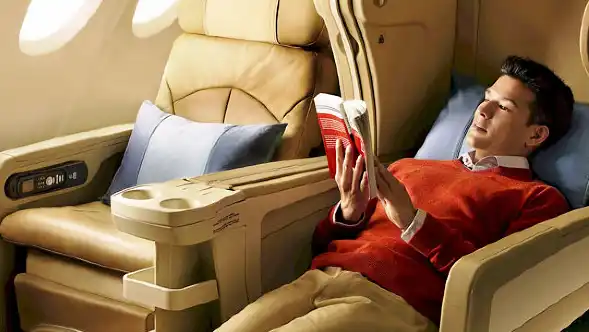
Stepping into a business class cabin for the first time feels less like boarding an aircraft and more like crossing into a carefully choreographed world of quiet luxury. The lighting softens, the noise fades, and suddenly every detail—from the texture of the seat fabric to the gentle clink of glassware—signals that this is not your usual flight. But while you’re absorbing the moment, something else is happening just as quickly: the cabin crew is reading you.
Within seconds, experienced flight attendants can identify whether you’re a seasoned premium traveler or someone enjoying their very first upgrade. It’s not guesswork. It’s a refined observational skill shaped by thousands of interactions at 35,000 feet. From how you walk down the aisle to how you respond to a simple greeting, the clues are surprisingly consistent—and often unintentionally revealing.
Understanding these subtle signals doesn’t just satisfy curiosity. It gives you an insider’s view of business class etiquette, helping you navigate the experience with confidence and ease, whether it’s your first flight or your fiftieth.
The Psychology of First Impressions in Business Class Cabins
The moment you enter the premium cabin, you’re part of a silent exchange of information. Cabin crew are trained to assess passengers quickly—not to judge, but to anticipate needs, preferences, and potential confusion points.
A first-time flyer often carries a mix of excitement and heightened awareness. There’s a slight pause at the entrance, a quick scan of the cabin, and sometimes a hesitation before stepping fully into the space. Frequent flyers, by contrast, move with a kind of practiced indifference, as though they’ve done this hundreds of times—because they have.
This initial interaction sets the tone. A warm greeting, direct eye contact, and relaxed body language immediately communicate confidence. On the other hand, clutching your boarding pass tightly or scanning seat numbers with visible urgency hints at unfamiliarity. Neither is wrong, but one is unmistakably more experienced.
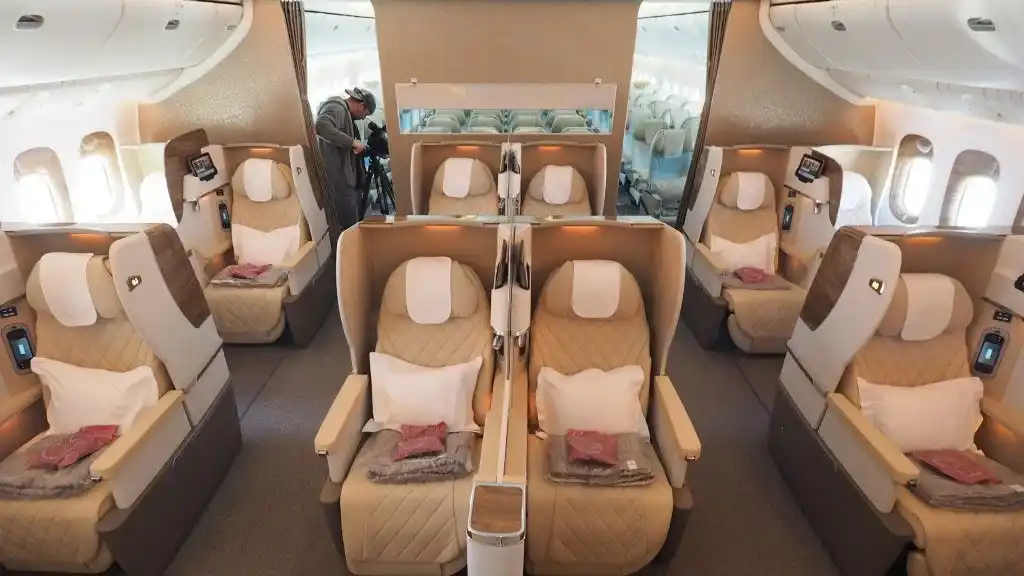
Wardrobe Choices That Quietly Reveal Experience Levels
Clothing is one of the most immediate indicators of air travel experience, especially in business class. It might seem logical to dress sharply for a premium cabin, but ironically, that’s often a telltale sign of a first-timer.
Newcomers frequently arrive in structured outfits—tailored suits, stiff dresses, or formal shoes—reflecting an assumption that business class demands a business-like appearance. The reality is far more practical. Long-haul flights prioritize comfort above all else, and seasoned travelers dress accordingly.
Regular business class passengers tend to favor:
- Soft, breathable fabrics
- Layered outfits for changing cabin temperatures
- Slip-on shoes for convenience during security checks and relaxation
- Clothing that remains comfortable even after hours of sitting or sleeping
There’s a quiet confidence in dressing for the journey rather than the image. It’s not about looking impressive—it’s about arriving well-rested.
Navigating the Seat: A Subtle Test of Familiarity
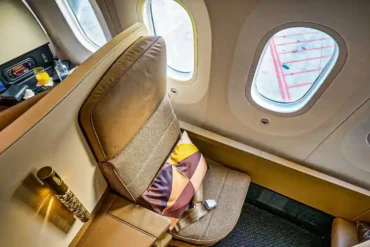
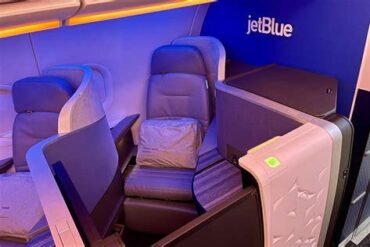
Modern business class seats are marvels of engineering, designed to transform from upright chairs into fully flat beds with the touch of a button. But for first-time passengers, they can feel more like a puzzle than a luxury.
The difference in behavior here is striking. A newcomer might:
- Examine every button before pressing anything
- Hesitate when adjusting seat positions
- Search for hidden compartments like tray tables or storage spaces
- Call for assistance when unsure how to operate features
Meanwhile, a frequent flyer adjusts their seat almost instinctively, often without even looking down.
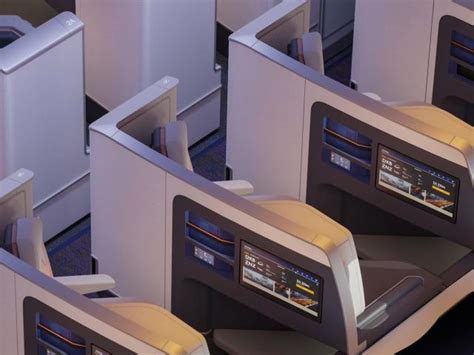
This isn’t about intelligence or capability—it’s about exposure. Business class seats are designed with complexity because they offer versatility, but that same complexity creates a clear learning curve.
Interestingly, cabin crew often appreciate when passengers ask for help. It allows them to guide the experience and ensure you’re getting the full value of what the seat offers—massage functions, lumbar support, or optimal sleeping positions.
Dining Behavior: The “Fear of Missing Out” Effect
One of the most revealing differences between first-time and seasoned travelers appears during in-flight dining service.
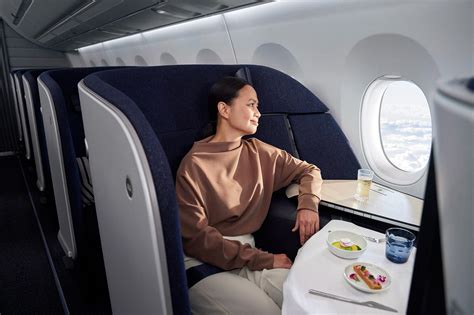
For many first-time passengers, the experience feels like a once-in-a-lifetime opportunity. There’s a natural desire to try everything—every appetizer, every dessert, every wine pairing. The logic is simple: you’ve paid for it, so why not enjoy it all?
This often results in a fully occupied tray table, with multiple courses lined up like a tasting menu.
Frequent flyers take a different approach. They understand that rest is often more valuable than indulgence, especially on long-haul routes. It’s not uncommon for experienced passengers to skip meals entirely or opt for something light before converting their seat into a bed.
The contrast isn’t subtle. One approach is exploratory and enthusiastic; the other is strategic and efficiency-driven.
The Art of Interaction: Over-Politeness vs. Natural Ease
Politeness is always appreciated, but there’s a particular kind of over-apologetic behavior that instantly signals a first-time business class passenger.
Saying “sorry” for requesting a drink, repeatedly thanking crew members for routine service, or hesitating before making simple requests are all common indicators. It reflects a mindset where the passenger feels they must “earn” their place in the cabin.
Seasoned travelers interact differently. They are polite, but relaxed. Requests are made confidently, without hesitation or excessive gratitude, because they understand that attentive service is part of the experience.
Cabin crew notice this distinction immediately. And interestingly, they often respond warmly to genuine enthusiasm and kindness, regardless of experience level.
The Social Media Factor: Capturing the Moment
In the age of Instagram and TikTok, documenting a first business class flight has become almost instinctive. From photographing the seat to capturing the pre-departure champagne, these moments are often shared in real time.
For first-time flyers, the cabin itself is a destination worth documenting. Every detail feels new and noteworthy.
Frequent flyers rarely do this. For them, the seat is functional—a place to work, eat, or sleep. Taking photos would feel as routine as photographing their office desk.
This behavior doesn’t go unnoticed. Cabin crew often interpret it as a sign of excitement and may proactively offer guidance, explaining features or suggesting ways to enhance the experience.
Understanding the Rhythm of Premium Cabin Service
One of the less obvious aspects of business class travel is its rhythm. Service is designed to flow smoothly, with minimal interruption. Meals, drinks, and check-ins are timed carefully to balance attentiveness with privacy.
First-time passengers often disrupt this rhythm unintentionally. Frequent use of the call button, uncertainty about when to request items, or hesitation during service rounds can signal unfamiliarity.
Experienced travelers, on the other hand, adapt to the flow. They anticipate service moments, make requests efficiently, and allow the crew to operate within their established patterns.
This doesn’t mean you should avoid asking for anything—it simply means understanding that much of what you need will be offered without prompting.
Overhead Bin Behavior and Spatial Awareness
Even small actions, like handling luggage, can reveal experience levels. In the business class cabin, space is shared more intimately, and efficiency matters.
First-time flyers might take longer to store their bags, rearrange items multiple times, or appear unsure about where to place belongings. This creates minor disruptions during boarding.
Frequent flyers tend to:
- Stow luggage quickly and decisively
- Keep essential items within easy reach
- Settle into their seats with minimal movement
It’s a subtle difference, but one that contributes to the overall atmosphere of the cabin.
Observational Curiosity: Watching Everything Closely
There’s a particular look that cabin crew recognize instantly—the wide-eyed attention of someone experiencing business class for the first time.
These passengers observe everything:
- How meals are plated
- How drinks are poured
- How crew members interact with each guest
It’s a form of quiet fascination, almost like studying a performance.
Veteran travelers, in contrast, often disengage quickly. They open a laptop, put on headphones, or go straight to sleep, treating the environment as routine rather than remarkable.
Why Cabin Crew Actually Enjoy First-Time Flyers
Here’s the twist: while cabin crew can easily identify first-time business class passengers, they often genuinely enjoy serving them.
Enthusiasm is contagious. A passenger who smiles at a glass of champagne or expresses genuine appreciation for small details brings a refreshing energy to the cabin.
In an environment where some frequent flyers can become indifferent—or even demanding—that sense of wonder stands out in the best possible way.
Crew members are more likely to:
- Offer helpful tips on seat features
- Provide extra amenities when available
- Engage in friendly, personalized interactions
It’s not about favoritism—it’s about human connection.
Bridging the Gap: From First-Time Flyer to Confident Traveler
The transition from novice to experienced business class traveler doesn’t require memorizing rules or adopting a specific persona. It’s about understanding the environment and relaxing into it.
Confidence comes naturally when you:
- Dress for comfort rather than appearance
- Interact with crew members as people, not just service providers
- Prioritize rest and well-being over maximizing every perk
- Stay aware of the shared space and its quiet etiquette
Most importantly, it comes from allowing yourself to enjoy the experience without overthinking it.
The Real Secret: Authenticity Over Perfection
At its core, business class isn’t about perfection—it’s about comfort, efficiency, and a touch of indulgence. Cabin crew aren’t expecting flawless behavior; they’re simply reading cues to better serve you.
The irony is that the most “experienced” behavior often looks effortless because it is. It’s not performed—it’s lived.
And if you’re flying business class for the first time, there’s no need to hide it. That excitement, that curiosity, that sense of occasion—it’s part of what makes the experience memorable.
Because in the end, while cabin crew can absolutely tell it’s your first time, they’re not judging. If anything, they’re quietly rooting for you to enjoy every second of it.