American Airlines is bringing an era to a close. For decades, international first class represented the pinnacle of luxury among US carriers, offering exclusivity, larger seats, premium dining, and a level of prestige that distinguished long-haul travel from ordinary flying. Yet quietly, without much fanfare, the airline is preparing to eliminate the last remaining international first-class cabin operated by a major US airline. In its place comes a completely different vision of premium travel centered around private suites, expanded business-class capacity, and a growing emphasis on premium economy.
Rather than preserving a product that once defined elite travel, American Airlines has concluded that modern passengers are willing to pay for privacy, convenience, and consistency instead of the traditional concept of first class. The transformation marks the final chapter in a shift that began years ago across the industry and signals how airlines increasingly generate profits from premium travelers.
After Delta Air Lines and United Airlines abandoned international first class years ago, American Airlines became the last holdout. Now even that distinction is disappearing.
Why American Airlines Is Eliminating International First Class
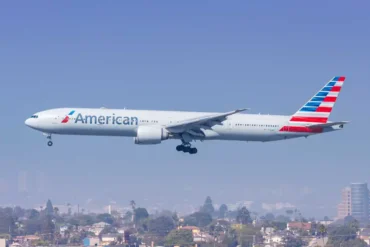
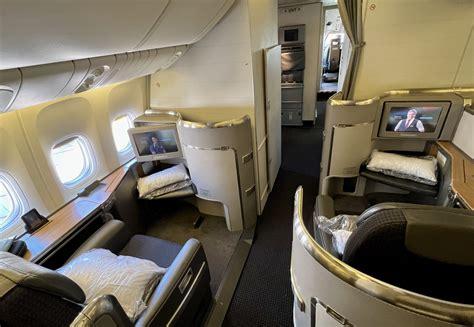
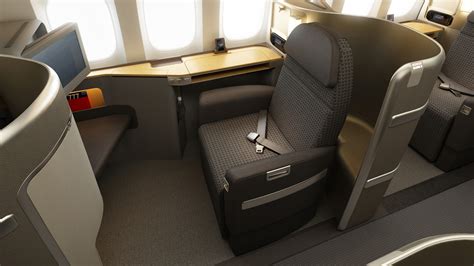
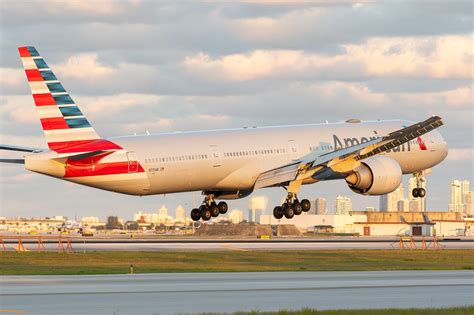
American Airlines currently offers Flagship First only on selected Boeing 777-300ER aircraft. These aircraft feature eight first-class seats positioned ahead of 52 business-class seats, creating a three-cabin premium configuration that has become increasingly rare.
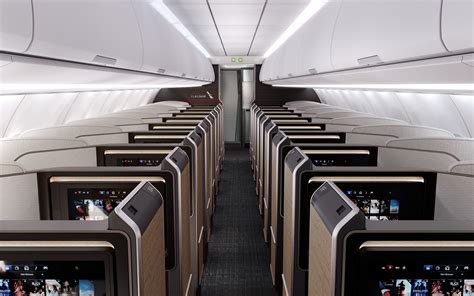
However, the airline’s future plans tell a completely different story. New Boeing 787-9 deliveries, Airbus A321XLR aircraft, and refurbished Boeing 777-300ERs will no longer include traditional first class. Instead, they will feature the new Flagship Suite product, dramatically increasing the number of premium seats available.
The shift reflects broader market realities rather than merely changing cabin aesthetics. Airlines have discovered that premium passengers no longer necessarily seek a separate first-class cabin. What they value most is privacy, spacious seating, modern technology, and enhanced comfort. Modern business class now delivers many features that were once exclusive to first class.
American Airlines announced plans to expand premium seating across its long-haul fleet by more than 45%, underscoring its determination to attract higher-paying customers rather than maximizing economy capacity.
The Premium Revenue Strategy Behind The Decision
The removal of first class is fundamentally a business decision.
Traditional first class occupies significant space while serving very few passengers. On existing Boeing 777-300ER aircraft, just eight seats comprise the entire first-class section. Meanwhile, demand for business class continues to rise among corporate travelers, affluent leisure passengers, and customers redeeming loyalty points.
By replacing first class with more business-class suites, American can increase premium revenue without sacrificing luxury.
On current Boeing 777-300ER aircraft, the premium section includes:
- Eight Flagship First seats.
- Fifty-two Flagship Business seats.
- Twenty-eight Premium Economy seats.
Following refurbishment, these aircraft will carry:
- Seventy Flagship Suites.
- Forty-four Premium Economy seats.
Instead of dedicating space to eight ultra-exclusive seats, American can sell dozens more premium seats while maintaining an upscale experience.
This strategy mirrors a growing trend throughout aviation. Airlines increasingly prioritize high-yield passengers because premium cabins contribute disproportionately to profits. Business-class travelers occupy less cabin space than economy passengers while generating substantially higher revenue.
How Flagship Suites Differ From Flagship First
Although first class is disappearing, luxury itself is not.
The new Flagship Suite represents a more modern approach to premium travel. Existing Flagship First seats on the Boeing 777-300ER measure 21.5 inches wide and convert into lie-flat beds. They can swivel to create a workspace but lack one feature passengers increasingly expect: privacy.
The Flagship Suite changes that.
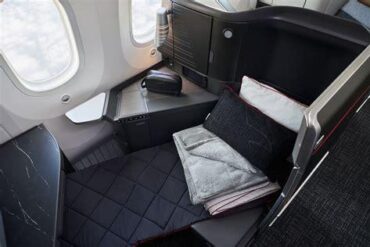
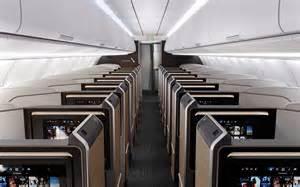
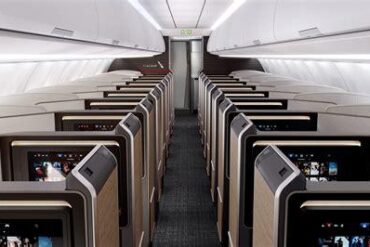
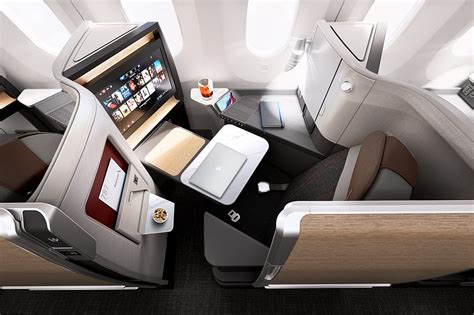
Each suite includes sliding privacy doors that separate passengers from the aisle and neighboring travelers. American Airlines has also incorporated additional storage compartments, reading lights, mirrors, wireless charging capabilities, Bluetooth connectivity, and carefully designed personal spaces.
Seat width ranges between 21 and 22 inches, slightly wider than previous products.
Perhaps most importantly, eight Flagship Suite Preferred seats offer even more room thanks to extra bulkhead space. These seats effectively replace the experience once associated with first class by providing additional exclusivity without creating a separate cabin.
Modern premium travelers appear more interested in privacy than prestige. A suite with a door often delivers a more satisfying experience than an open first-class seat.
Why The Entire Cabin Experience Is Being Reinvented
The introduction of Flagship Suites is only one part of a broader modernization effort.
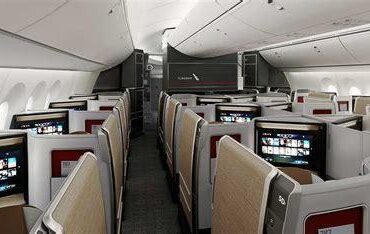
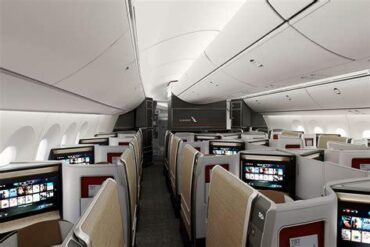
American’s Premium Boeing 787-9 aircraft feature completely redesigned interiors. Wi-Fi capabilities, Bluetooth connectivity, wireless charging, improved lighting, and upgraded materials contribute to a significantly more contemporary experience.
Even premium economy passengers benefit.
Seat widths have increased compared with older aircraft, offering improved comfort and better ergonomics. The cabin itself feels more refined and less segmented, with each class receiving meaningful upgrades.
Interestingly, American has also reduced the proportion of economy seats aboard newer aircraft.
On older Boeing 777-300ERs, economy accounts for nearly 62% of total seating capacity. On Premium Boeing 787-9 aircraft, that figure falls to approximately 59%.
This may seem like a small change, but it reveals an important strategy. American is gradually shifting away from mass-market seating and toward higher-yield premium products.
American Airlines Is Following Delta And United Years Later
American’s move may appear dramatic, but it actually represents the final step in a transformation that began decades ago.
Delta Air Lines eliminated international first class back in 1998. United Airlines followed in 2016. Both carriers chose enhanced business-class products instead.
American remained the last major US airline preserving a true international first-class cabin, but competitive realities eventually made the distinction difficult to justify.
The industry itself has evolved. Business class has become increasingly luxurious, offering direct aisle access, lie-flat beds, sophisticated entertainment systems, chef-inspired dining, and extensive lounge access.
The gap between business class and first class narrowed so significantly that maintaining two separate products became inefficient.
American’s decision therefore represents less of a retreat and more of an alignment with global trends.
Premium Cabins Are Becoming The Industry’s Profit Engine
Recent financial results across the industry explain why airlines continue investing heavily in premium products.
Premium ticket sales are growing faster than economy revenue.
Delta has reported stronger premium demand despite reductions in main cabin capacity. United Airlines has similarly experienced premium ticket sales outpacing growth in basic economy revenue.
American Airlines itself highlighted exceptional performance from premium products and corporate channels. Revenue from premium travelers has become increasingly important as airlines seek stable sources of profitability.
Business-class cabins can generate nearly as much revenue as economy sections despite occupying substantially less aircraft space.
This mathematical reality has changed how airlines design aircraft.
Instead of focusing purely on passenger volume, carriers are maximizing revenue per square foot. Premium cabins fit perfectly into that strategy.
How Premium Economy Changed Everything
Ironically, premium economy may have played the biggest role in first class disappearing.
When premium economy first appeared, it was intended to bridge the gap between economy and business class. Over time, however, it developed into a distinct product with dedicated seats, enhanced meals, greater legroom, and improved service.
Today’s premium economy often resembles the business class of two decades ago.
Meanwhile, business class itself has evolved into something resembling yesterday’s first class. Private suites, lie-flat beds, luxury bedding, and gourmet dining have elevated business class beyond what many first-class products once offered.
As each cabin moved upward, traditional first class became increasingly redundant.
Something had to disappear, and that product was the old-style first-class seat.
American Airlines introduced premium economy internationally in 2016. In hindsight, that decision effectively started the countdown toward the end of Flagship First.
Why Passengers Probably Will Not Miss Traditional First Class
Despite the emotional appeal surrounding first class, many travelers may barely notice its disappearance.
Modern business-class products deliver remarkable comfort and convenience. Privacy doors, direct aisle access, high-quality bedding, upgraded entertainment systems, and improved onboard dining provide experiences that exceed what international first class offered only a generation ago.
Most premium passengers value functionality over labels.
Whether the seat is called first class or business class matters less than whether it provides privacy, sleep quality, and convenience.
American’s Flagship Suite strategy recognizes this reality.
Instead of maintaining a small, expensive first-class cabin serving a handful of travelers, the airline is creating a larger premium experience accessible to many more passengers.
The End Of An Era For US Aviation
American Airlines is not merely removing a cabin. It is closing the final chapter of a tradition that once defined international travel among US carriers.
International first class symbolized prestige, exclusivity, and the glamour of aviation’s golden age. Yet economics and changing passenger expectations have transformed luxury itself.
Private suites with doors, premium economy cabins, advanced technology, and expanded business-class seating represent the new definition of luxury travel.
In many ways, first class is not disappearing. It is evolving under another name.
American Airlines may be retiring Flagship First, but the pursuit of premium experiences remains stronger than ever. The difference is that luxury in 2026 is no longer measured by having a separate first-class cabin. It is measured by privacy, comfort, and the ability to offer those experiences to more travelers than ever before.