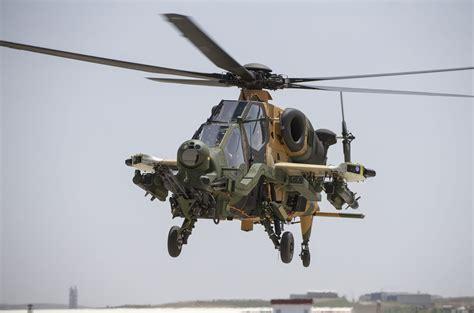
Turkey has deepened its military cooperation with Somalia by agreeing to supply T129 Atak combat helicopters to the East African nation, a significant development following the 10-year defense agreement signed earlier this year. This strategic move, confirmed by officials familiar with the matter, marks a pivotal moment in the evolving alliance between Ankara and Mogadishu, with far-reaching implications for regional security, counter-terrorism, and geopolitical influence in the Horn of Africa.
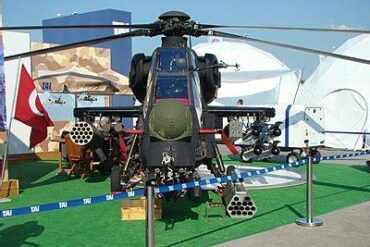
The deployment of these heavily-armed helicopters is aimed directly at bolstering Somalia’s fight against al-Shabaab, the al-Qaeda-linked militant group that has plagued the country with deadly attacks for over a decade. The T129 Atak, a multi-role, twin-engine rotary-wing aircraft developed jointly by Turkish Aerospace Industries (TAI) and Italy’s Leonardo, is designed for advanced attack and reconnaissance missions in both hot and high-altitude environments, making it well-suited for Somalia’s harsh operational conditions.
Strategic Military Partnership in the Horn of Africa
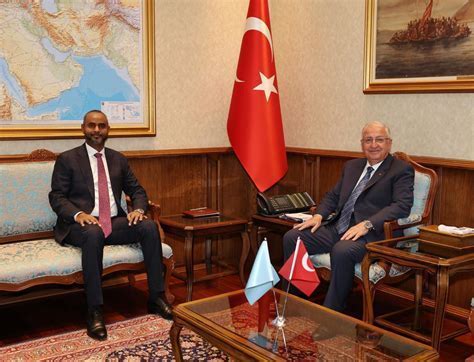
The latest defense pact is a testament to Turkey’s long-term strategy in Africa, especially in regions of strategic maritime and energy interest. Signed in February 2025, the agreement grants Turkey the authority to train, equip, and support Somalia’s military forces over a decade, underscoring Ankara’s intent to become a cornerstone of stability and security in East Africa.
In addition to the defense pact, Ankara and Mogadishu also signed a hydrocarbon exploration and production agreement, enabling Turkish Petroleum Corp. to operate in Somalia’s potentially resource-rich offshore zones. The Turkish defense ministry emphasized that these joint efforts are not only to combat terrorism, particularly from al-Shabaab, but also to safeguard joint economic ventures and ensure the security of Turkey’s expanding presence in the region.
The T129 Atak Helicopter: A Tactical Game-Changer for Somalia
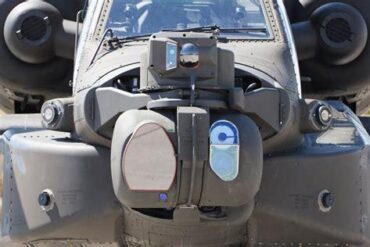
The T129 Atak is a variant of the AgustaWestland A129 Mangusta, customized by Turkey for modern asymmetric warfare. It is armed with a 20mm three-barrel rotary cannon, guided and unguided rockets, and Umtas anti-tank missiles. It also features advanced targeting systems, night-vision capabilities, and the ability to operate in extreme climates, which will offer Somalia a new aerial edge against entrenched insurgents operating across complex terrains.
The helicopters will serve not only in combat roles but also in intelligence, surveillance, and reconnaissance (ISR) missions. Their deployment is expected to increase operational flexibility for Somalia’s military, which has historically relied on ground troops with limited air support capacity. The inclusion of such air assets introduces a tactical dimension that could disrupt al-Shabaab’s mobility and logistical networks, especially in hard-to-reach areas.
Turkey’s Expanding Military Footprint in Africa
Turkey’s latest engagement in Somalia is part of a broader pattern of expanding military diplomacy across Africa. Over the past decade, Ankara has forged multiple defense cooperation agreements, established military training centers, and engaged in humanitarian and infrastructure projects throughout the continent.
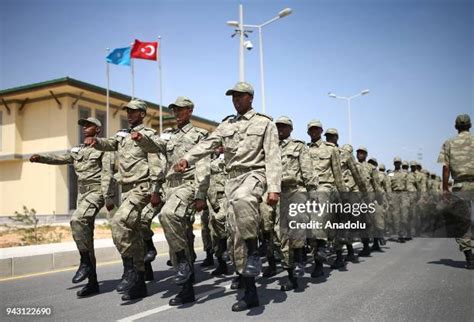
The Turkish military base in Mogadishu, Camp TURKSOM, inaugurated in 2017, is already a hub for training Somali cadets and officers. With the latest defense accord, the base’s role is expected to grow significantly. Turkish advisors will likely play a more hands-on role in shaping Somalia’s defense doctrine, ensuring interoperability with Turkish equipment and operational standards.
Turkey’s presence is not confined to military collaboration. It has played a mediating role in various diplomatic conflicts, including efforts to ease tensions between Somalia and Ethiopia, and to engage Somaliland, the self-declared autonomous region, in dialogue with Mogadishu. These diplomatic overtures underline Ankara’s ambition to position itself as a stabilizing power in a volatile but strategically important region.
Al-Shabaab: A Persistent Threat and the Focus of Turkey-Somalia Cooperation
Al-Shabaab remains the most potent extremist force in East Africa, responsible for thousands of civilian deaths, targeted assassinations, and brazen attacks against government institutions and international missions. Despite international efforts led by the African Union Mission in Somalia (AMISOM) and the United States Africa Command (AFRICOM), the group continues to control rural areas and stage operations in urban centers.
The provision of T129 helicopters will be a significant force multiplier for Somali forces, which have long struggled to gain aerial supremacy. Experts believe this could shift the balance on the battlefield, especially in support of ground offensives. Aerial firepower has been a missing link in Somalia’s security apparatus — this delivery stands to bridge that critical gap.
Security, Energy, and Influence: A Multilayered Strategy
While the official rationale for Turkey’s defense support to Somalia is framed around counter-terrorism and regional stability, the deeper motivations lie in a multi-pronged strategic calculus. Somalia occupies a critical position along the Bab el-Mandeb Strait, a vital chokepoint for global maritime trade connecting the Red Sea to the Gulf of Aden. By strengthening its footprint here, Turkey ensures a presence in one of the world’s most geostrategic corridors.
Simultaneously, the hydrocarbon exploration deal reveals Turkey’s ambitions to tap into untapped offshore oil and gas reserves, which could eventually reduce its dependence on foreign energy imports. With Turkish Petroleum Corp. operating in Somali waters under the protection of jointly coordinated military forces, Ankara is building a security-energy nexus that aligns national interest with regional partnership.
Concerns, Risks, and Regional Repercussions
Despite the potential benefits, the deal has raised regional and international concerns. Neighboring countries like Kenya and Ethiopia are closely monitoring the developments, wary of the precedent this sets for foreign military footprints in East Africa. Similarly, global powers with vested interests in the Indian Ocean, such as the United States, China, and the UAE, are assessing how Turkey’s deepening involvement might recalibrate regional alignments.
Somalia’s internal political dynamics also complicate the equation. With fragile institutions, clan rivalries, and periodic tensions between federal and state authorities, there is a risk that new military capabilities could exacerbate internal divisions unless properly managed through inclusive security governance.
Conclusion: The Future of Turkey-Somalia Defense Relations
The decision to supply T129 Atak helicopters to Somalia signals a bold and calculated investment by Turkey in East Africa’s future. It merges counterterrorism, energy, and diplomacy into a comprehensive foreign policy strategy. For Somalia, the move offers a rare opportunity to enhance its military capacity and gain a committed international partner willing to invest not just in arms, but in training, infrastructure, and long-term development.
Yet, the long-term success of this partnership will depend on several variables — from effective implementation of the defense agreement to managing local political complexities and regional apprehensions. If navigated correctly, Turkey’s role in Somalia could serve as a blueprint for sustainable security collaboration in fragile states across the continent.
As the first helicopters prepare to arrive in Mogadishu, the world will be watching not only their impact on the battlefield, but on the broader balance of power in the Horn of Africa.