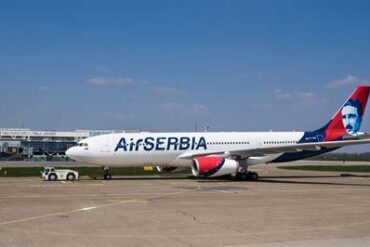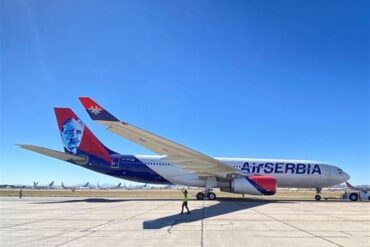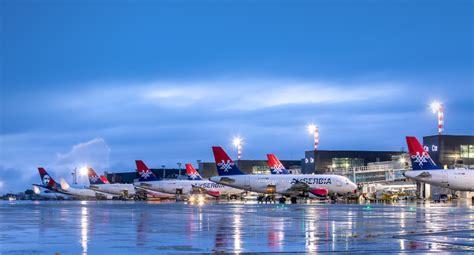
Air Serbia, the national airline of Serbia, is a vivid testament to resilience, adaptation, and strategic transformation. With roots dating back to 1927 under the name Aeroput, the airline has traversed the turbulent landscape of Balkan geopolitics, economic reform, and global aviation upheavals. Today, Air Serbia stands as a modern, expanding airline operating from Belgrade Nikola Tesla Airport, reaching 81 destinations with a fleet of 34 aircraft as of 2023. Under the leadership of CEO Jiří Marek, it continues its ambitious post-pandemic recovery while asserting itself as a vital bridge between East and West.
The Origins of Serbian Aviation: From Aeroput to JAT
The foundation of Aeroput in 1927 marked Serbia’s first formal entry into civil aviation. Serving initially as the flag carrier of the Kingdom of Yugoslavia, Aeroput operated out of Belgrade and introduced scheduled international services in 1929. The interwar period saw expansion across Europe, reaching Austria, Italy, Turkey, and other regional hubs with a fleet comprising aircraft like the Lockheed Model 10 Electra and Spartan Cruiser II.
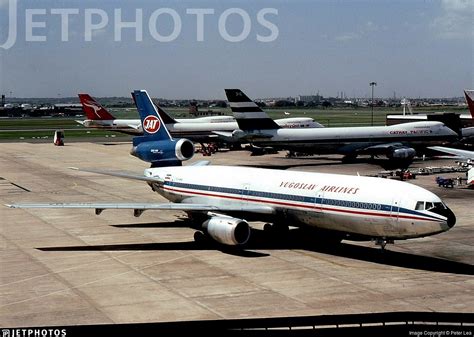
Post-WWII, the company was nationalized and rebranded as JAT (Jugoslovenski Aerotransport) in 1948. In a geopolitical anomaly for a communist state, Yugoslavia diverged from the Soviet bloc, opting for a Western aircraft fleet that included Caravelles, Boeing 707s, and McDonnell Douglas DC-10s. By the 1980s, JAT had become one of Europe’s largest airlines, boasting flights to five continents—a rare feat even among larger carriers.
Rebirth Through Partnership: The 2013 Etihad Deal and Modernization
By the early 2000s, Jat Airways, the successor of JAT, struggled with an aging fleet and financial instability. A major turning point came in August 2013, when the Government of Serbia forged a partnership with Etihad Airways, which took a 49% stake and management control, leading to the birth of Air Serbia in October that year. The first flight under the new brand connected Belgrade and Abu Dhabi, marking a new strategic direction focused on regional dominance and international expansion.
This partnership sparked sweeping changes:
- Fleet renewal with Airbus A319s and A320s.
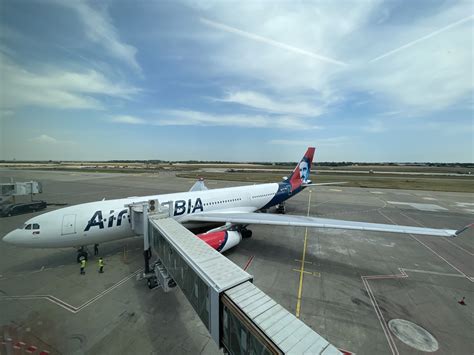
- Launch of non-stop transatlantic service to New York in 2016 using an Airbus A330-200.
- Fare restructuring, new sales platforms, and paid inflight food options through the Elevate Deli & Bar concept on short-haul flights.
Strategic Resilience in a Time of Turmoil
Air Serbia’s ability to weather global shocks has defined its recent trajectory. During the COVID-19 pandemic, like most airlines, it suffered severe setbacks, with 2020 net losses of €77.6 million. However, a robust recovery followed, and by 2023, the airline reported €628.3 million in revenue and €40.6 million in net profit, its best financial result in modern history.
The airline’s refusal to halt flights to Russia following the 2022 invasion of Ukraine garnered international attention. As most European carriers ceased operations to Russian destinations, Air Serbia maintained connectivity, becoming a rare air bridge into the continent for Russian nationals, albeit attracting security threats and political scrutiny.
In January 2025, Air Serbia made another milestone move by launching non-stop service from Belgrade to Shanghai, a historic first connecting the Serbian and Chinese economies directly by air.
Fleet and Destinations: Expanding With Precision
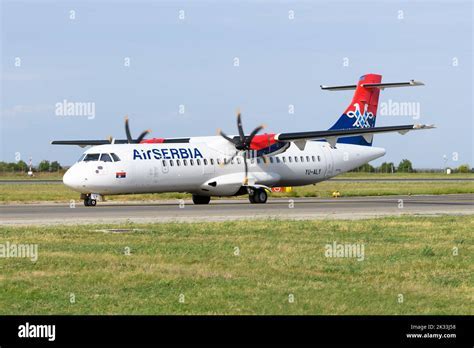
Air Serbia maintains a diversified fleet tailored to a network that spans short regional hops and long-haul operations. As of 2023, its 34 aircraft include:
- Airbus A319 and A320 for short and medium-haul routes.
- ATR 72s for regional operations.
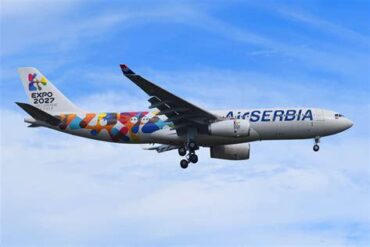
- Airbus A330-200, leased for transatlantic and intercontinental flights.
This setup supports Air Serbia’s presence across Europe, North Africa, the Middle East, North America, and now East Asia. Recent expansions include:
- Lisbon, Catania, Chania, and Florence among new summer seasonal destinations.
- Chicago and Shanghai as key long-haul additions.
Financial Performance and Key Metrics
A detailed look at Air Serbia’s financials reveals an airline on the upswing:
- Revenue rose from €444.4 million in 2022 to €628.3 million in 2023, and €701.2 million projected for 2024.
- Passenger traffic recovered from 1.5 million in 2020 to 4.4 million in 2023.
- The load factor also improved steadily, reaching 74.6% in 2022, indicating healthier seat occupancy.
- Cargo operations have surged, with 7.1 kilotonnes handled in 2022—a record for the carrier.
This turnaround aligns with restructuring efforts, a leaner organizational structure, and better aircraft utilization.
Leadership and Ownership: From Etihad to Full Government Control
The initial deal with Etihad Airways gave the Abu Dhabi carrier both equity and control, but in 2020, the Government of Serbia began buying back shares. By November 2023, it had acquired full ownership, effectively nationalizing Air Serbia.
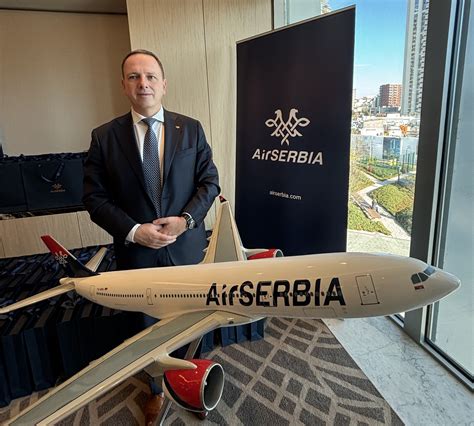
This move centralizes strategic decisions within Serbia, providing flexibility in foreign policy alignment, route decisions, and fleet planning without dependence on foreign investors. CEO Jiří Marek, a Czech aviation executive, now leads Air Serbia under direct governmental oversight, supported by an executive team including Dragana Čudić (CFO), Milan Malović (COO), and Branislav Malović (CGO).
Subsidiaries and Brand Extensions
Over the years, Air Serbia has developed and integrated several support operations:
- Aviolet, a now-defunct seasonal charter brand, was introduced in 2014 using Boeing 737-300s. Its operations were merged back into Air Serbia’s primary service in 2021.
- Air Serbia Ground Services (ASGS), formed in 2002, handled passenger and aircraft ground services. Discontinued in 2017, its staff and operations were absorbed by Belgrade Airport.
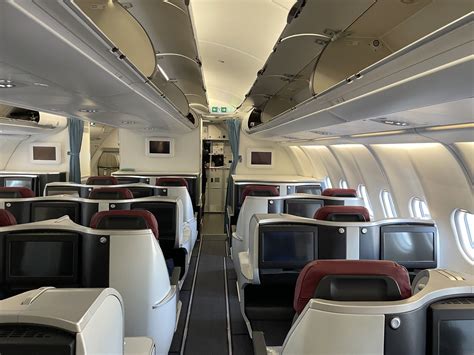
- Air Serbia Catering (ASC), tracing its roots to JAT in 1967, continues to supply inflight catering, particularly for long-haul and business class flights.
These structural adjustments allowed Air Serbia to reduce costs, increase integration, and improve passenger service consistency.
Frequent Flyer Program: Etihad Guest
Despite its separation from Etihad’s equity structure, Air Serbia retains the Etihad Guest loyalty program, offering seamless benefits across multiple partner airlines. This enhances connectivity for frequent travelers within the Middle East and Southeast Asia—especially useful given Air Serbia’s limited long-haul fleet.
Members benefit from:
- Mileage accrual across Air Serbia and Etihad partners.
- Redemption for upgrades, lounge access, and merchandise.
- Priority services and added baggage allowances at elite tiers.

A National Symbol with International Ambition
Air Serbia has grown into more than just a national carrier—it is a strategic tool of Serbia’s foreign policy, a cultural bridge, and a catalyst for tourism and trade. The airline’s livery, which incorporates elements of Serbian heraldry, and its international expansion signify a revitalized national brand emerging confidently on the global stage.
It’s also a rare example of a government-owned airline thriving post-COVID, largely due to agile leadership, smart partnerships, and aggressive route planning. Whether connecting Belgrade to New York, Moscow, or Shanghai, Air Serbia is redefining what a medium-sized European carrier can achieve in a hyper-competitive industry.
Conclusion: Air Serbia’s Ascent in the Global Sky
Air Serbia’s journey—from the propeller-driven Aeroput days through the jet-powered JAT era, and finally its strategic rebirth in 2013—reflects the broader evolution of Serbian identity, economy, and diplomacy. As of 2025, it commands a fleet with expanding reach, shows strong financial results, and enjoys state backing in a region with few national carriers left standing.
In an aviation world increasingly dominated by alliances and mega-hubs, Air Serbia proves that smaller national airlines, with the right vision and leadership, can remain competitive, profitable, and pivotal. With new long-haul destinations, leaner operations, and centralized control, Air Serbia is well-positioned to navigate the turbulent skies of global aviation—and continue writing its legacy.