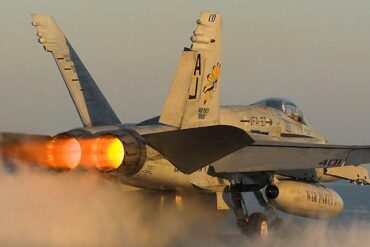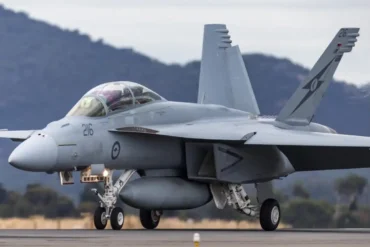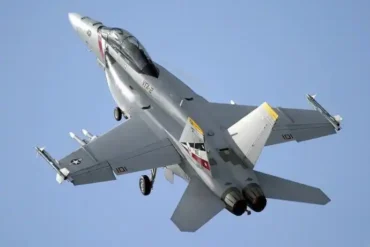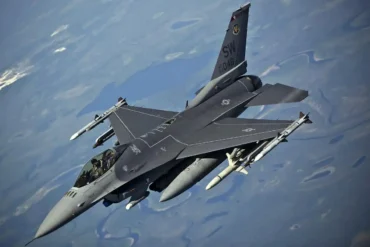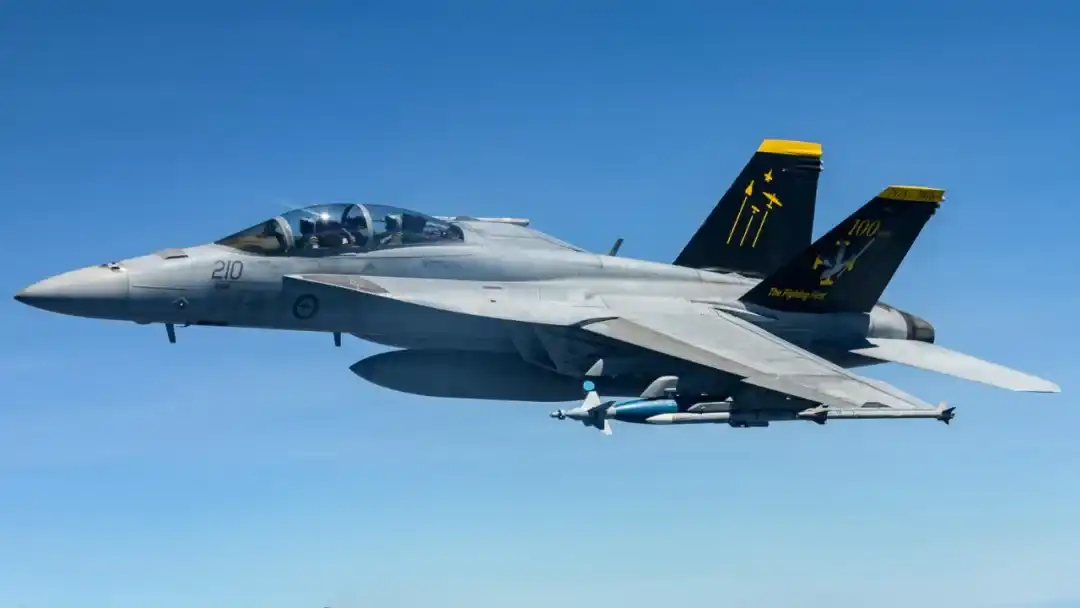
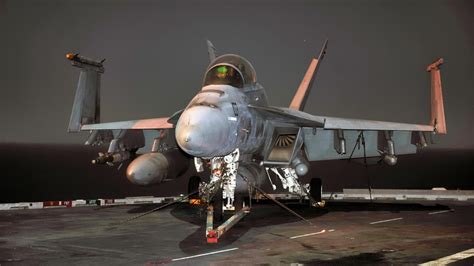
The F/A-18E/F Super Hornet is a cutting-edge multirole fighter aircraft known for its versatile armament systems, making it a dominant force in modern aerial warfare. Designed for air superiority, ground attack, and maritime strike missions, its advanced weaponry ensures superiority in diverse combat scenarios. This article provides a detailed breakdown of the Super Hornet’s armament, covering its guns, missiles, bombs, and electronic warfare capabilities.
20mm M61A2 Vulcan Rotary Cannon
At the core of the Super Hornet’s close-range firepower is the M61A2 Vulcan rotary cannon. This six-barrel Gatling-style cannon is mounted in the aircraft’s nose and provides an essential last-resort weapon for dogfights and strafing runs. Key specifications include:
- Caliber: 20mm
- Rate of Fire: 6,000 rounds per minute
- Ammunition Capacity: 578 rounds
- Firing Mechanism: Hydraulic-driven with electric priming
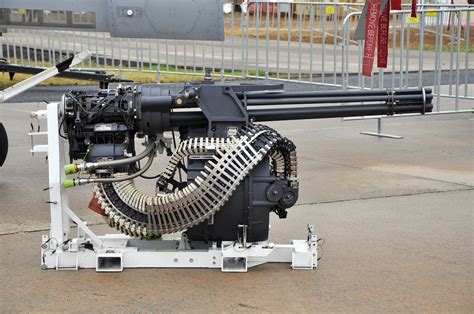
This high-speed cannon is crucial for close-quarters combat, allowing pilots to engage enemy aircraft or ground targets with pinpoint accuracy.
Air-to-Air Missiles
To maintain air superiority, the Super Hornet is equipped with an array of air-to-air missiles designed for both short-range dogfights and beyond-visual-range (BVR) engagements.
Short-Range Missiles
- AIM-9 Sidewinder: Infrared-guided missile effective for high-G maneuvering engagements.
- AIM-9X Sidewinder: Enhanced version with thrust-vectoring technology, allowing high off-boresight targeting.
Medium-Range Missiles
- AIM-120 AMRAAM (Advanced Medium-Range Air-to-Air Missile): Active radar-guided missile for BVR engagements, providing fire-and-forget capability.
- AIM-7 Sparrow: Semi-active radar-guided missile (now largely retired in favor of AMRAAM).
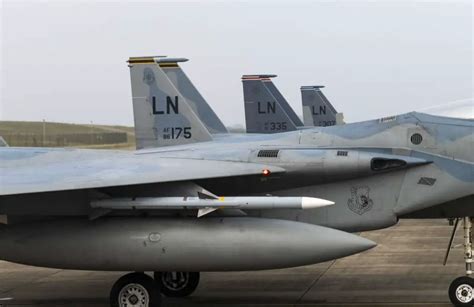
These missiles ensure superior engagement capability, allowing the Super Hornet to neutralize threats before they get close.
Air-to-Ground and Anti-Ship Weapons
The Super Hornet is a highly effective strike platform, capable of delivering precision-guided munitions, cruise missiles, and anti-radiation weapons.
Guided Bombs
- JDAM (Joint Direct Attack Munition): GPS-guided bomb capable of striking targets with high precision.
- Paveway Series: Laser-guided bombs ensuring accuracy in dynamic combat environments.
Standoff Weapons
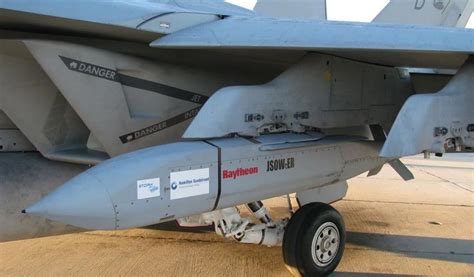
- AGM-154 JSOW (Joint Standoff Weapon): A glide bomb with either a unitary warhead or submunitions for attacking heavily fortified targets.
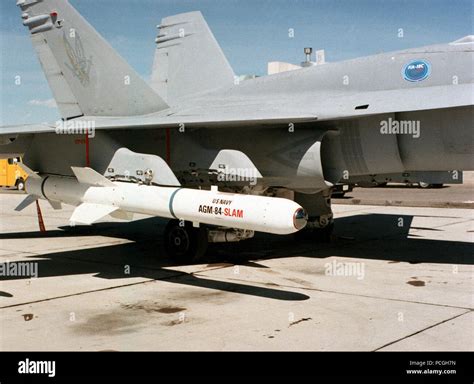
- SLAM-ER (Standoff Land Attack Missile-Expanded Response): A long-range cruise missile designed for land and maritime strikes.
Anti-Radiation and Anti-Ship Missiles
- AGM-88 HARM (High-speed Anti-Radiation Missile): Targets enemy radar installations, making it essential for suppression of enemy air defenses (SEAD).
- AGM-84 Harpoon: Subsonic anti-ship missile designed for sea-skimming attacks against naval vessels.
Other Payloads and Systems
Beyond weapons, the Super Hornet can carry additional systems to enhance its combat endurance, target acquisition, and electronic warfare capabilities.
Fuel Tanks
- Can carry up to five external fuel tanks, each holding 480 gallons, significantly extending its range.
- Total external fuel capacity: 7,381 kg (16,280 lbs).
Targeting Pods
- AN/ASQ-228 ATFLIR (Advanced Targeting Forward-Looking Infrared): Enables high-resolution targeting, reconnaissance, and laser designation.
Electronic Warfare Pods
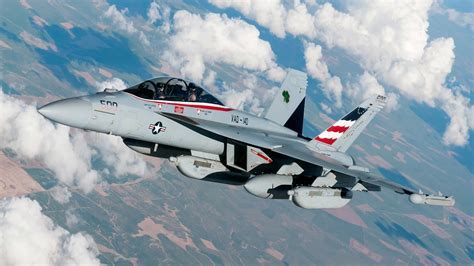
- ALQ-99 Jamming Pods (Used by EA-18G Growler Variant): Disrupts enemy radar and communication systems, providing an electronic warfare advantage.
Hardpoints and Load Capacity
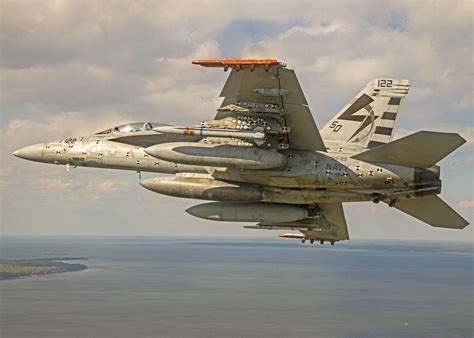
The Super Hornet has 11 external hardpoints that provide flexibility in mission loadout:
- 2 wingtip stations for air-to-air missiles.
- 6 underwing pylons for a mix of bombs, missiles, and fuel tanks.
- 3 under-fuselage stations for additional weaponry or pods.
- Maximum Payload: 8,050 kg (17,750 lbs).
Mission-Specific Loadouts
The modular weapon system allows the Super Hornet to be configured for multiple combat roles:
- Air Superiority: AIM-120 + AIM-9X + fuel tanks.
- Ground Attack: JDAMs + Paveway bombs + AGM-88 HARM.
- Maritime Strike: AGM-84 Harpoon + SLAM-ER.
- Electronic Warfare: EA-18G with jamming pods and limited missiles.
Block III Upgrades: Enhanced Combat Performance
The Block III variant of the Super Hornet introduces several improvements:
- Conformal Fuel Tanks (CFTs): Increases range while freeing up hardpoints for additional weapons.
- Enhanced sensors and networking: Improves target tracking and data-sharing capabilities.
- Reduced radar cross-section: Increases survivability in contested airspace.
FAQ
1. What makes the F/A-18 Super Hornet’s armament superior?
The Super Hornet’s versatility in carrying a wide range of air-to-air and air-to-ground weapons, combined with its advanced avionics and electronic warfare capabilities, gives it an edge over older-generation fighters.
2. How many weapons can the Super Hornet carry?
The aircraft can carry up to 8,050 kg (17,750 lbs) of ordnance across 11 external hardpoints, including missiles, bombs, and electronic warfare pods.
3. What are the main improvements in the Block III Super Hornet?
Block III introduces Conformal Fuel Tanks (CFTs), advanced sensors, reduced radar cross-section, and enhanced networking, making it more lethal and survivable in modern combat environments.
The F/A-18E/F Super Hornet remains a cornerstone of U.S. Navy and allied air forces, offering unmatched firepower, flexibility, and cutting-edge technology.