Govia Thameslink Railway (GTR) is making waves in the rail industry with its next-generation digital signalling on the Northern City Line, marking a transformative moment in UK rail travel. This initiative not only modernizes the way trains operate but also sets the stage for a smarter, more efficient rail network that could redefine how millions of passengers experience train travel across the UK. As GTR embarks on this ambitious project, the implications for both commuters and the broader travel ecosystem are profound.
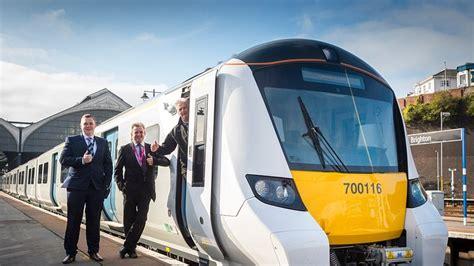
On Monday, July 8, the very first passenger service utilizing this upgraded technology was launched. The Class 717 unit 717020 departed from Finsbury Park at 17:17, heading to London’s Moorgate station. This wasn’t just another routine journey; it was historic as it represented the first passenger service in the country to implement the enhanced European Train Control System (ETCS) Baseline 3, Release 2—also referred to as version 3.6.0. The significance of this upgrade cannot be overstated, as it fundamentally alters the communication between trains and trackside infrastructure, transitioning from older GSM-R networks to more robust and faster GPRS connections. This technological leap is particularly vital for managing high-density traffic corridors like the East Coast Mainline, one of the UK’s busiest rail routes.
The introduction of digital signalling promises a plethora of benefits for passengers. With the ability to run more trains closer together without compromising safety, we can expect fewer delays, enhanced recovery from disruptions, and an overall smoother travel experience. Passengers on the Northern City Line are already witnessing these improvements, with unit 717020 operating regular services since its debut. This rollout follows GTR’s groundbreaking establishment of the UK’s first “signals-free” commuter railway earlier this year, where trains receive real-time movement permissions directly in the driver’s cab. This innovative approach is a game-changer for urban routes, where every second counts in maintaining punctuality.
This significant upgrade is part of the broader East Coast Digital Programme (ECDP), a government-backed initiative aimed at transforming the entire East Coast Mainline into a fully digitally signalled network. This railway spine, stretching from London to Scotland, is crucial for transporting millions of passengers and vast amounts of freight each year. To ensure the success of this vision, every train operating on these tracks must be equipped with the latest digital technology. Consequently, all 25 Class 717 trains within GTR’s Great Northern fleet will undergo upgrades to the new ETCS software in the coming months. This standardization will facilitate seamless coordination among all train operators using the East Coast Mainline, thereby enhancing safety and operational efficiency.
The push for digital signalling aligns with the rail industry’s urgent need to address sustainability and operational efficiency challenges. With increasing pressure to reduce carbon emissions while enhancing capacity and passenger satisfaction, digital solutions like ETCS emerge as essential tools. They minimize the necessity for expensive physical infrastructure upgrades, significantly lower maintenance costs by eliminating lineside signals that are susceptible to weather-related damage or human error, and optimize train operations to save fuel and decrease emissions. While passengers may not see all these changes firsthand, they will certainly benefit from reduced disruptions, greener travel options, and potentially shorter journey times.
Collaboration has been a critical factor in the successful rollout of ETCS Baseline 3, Release 2. The partnership between GTR, Siemens Mobility, and Network Rail showcases the collective expertise required to implement such advanced technology safely and reliably in daily passenger operations. Implementing new digital systems in a live railway environment is notoriously challenging, requiring flawless integration among trains, signals, and control systems to ensure passenger safety and service continuity. Given the increasing number of people utilizing Britain’s railways, embracing digital solutions is imperative to meet the growing demand for capacity and performance.
For travel professionals and tourism operators, the implications of these advancements are far-reaching. The improved capacity and reliability of the rail network, made possible by ETCS, can unlock new opportunities for tourism, enhance commuter flows, and streamline freight logistics. As rail travel becomes increasingly attractive compared to congested roads and short-haul flights, destinations along the East Coast Mainline—such as London, Peterborough, York, and Edinburgh—are likely to experience a surge in visitor numbers. Moreover, with sustainability becoming a key consideration for travelers, the adoption of digital rail systems positions rail as the environmentally friendly choice for domestic and regional tourism.
Despite the impressive progress, challenges remain. Upgrading an entire rail network while maintaining service continuity is akin to performing heart surgery on a marathon runner. Balancing ambitious technological goals with real-world operational demands requires careful planning and execution. Additionally, training drivers, maintenance crews, and control personnel on the new systems necessitates time and resources. Nonetheless, GTR’s successful implementation of the Class 717 upgrade illustrates what is achievable. As additional trains adopt the new ETCS baseline, the travel industry can anticipate a railway network that is not only technologically advanced but also capable of meeting future demands from passengers and the economy alike.
In conclusion, Govia Thameslink Railway’s foray into digital signalling heralds a new era for British rail. This leap forward represents more than just a technical achievement; it signifies a fundamental shift in how Britain facilitates the movement of people and goods. Travel professionals should remain vigilant, as innovations like ETCS hold the potential to reshape travel times, connectivity, and sustainability for millions of passengers annually. For those boarding the sleek Class 717s on the Northern City Line, the future of rail travel is not just on the horizon—it’s already here, unfolding one digital signal at a time.