United Airlines is turning its Starlink rollout into one of the most aggressive fleet-wide connectivity programs in commercial aviation. The airline is now targeting more than 1,000 mainline aircraft equipped with Starlink by May 2027, a goal that would require installation teams to retrofit more than 20 aircraft every week. Rather than treating satellite Wi-Fi as a gradual product upgrade, United is approaching the project as a large-scale operational campaign involving 17 maintenance stations across its network.
The acceleration reflects how quickly onboard connectivity has moved from a passenger convenience to a competitive differentiator. For travelers, particularly business passengers and frequent flyers, dependable internet can influence which airline they choose just as much as seat comfort, schedules or loyalty benefits. United increasingly sees its Starlink-equipped fleet as a way to make high-speed, free Wi-Fi a recognizable part of its brand while competing against airlines whose satellite deployments are arriving later.
The scale of the task is especially notable because United has already completed hundreds of installations. The airline has moved rapidly through its regional fleet, with virtually the entire dual-cabin United Express fleet already equipped, while mainline installations have accelerated during 2026. In July, United said more than 450 aircraft had received Starlink and indicated that nearly 1,000 aircraft could be equipped by the end of the year. The latest target pushes the ambition even further by placing the emphasis squarely on mainline aircraft.
United’s Starlink Retrofit Operation Reaches Industrial Scale
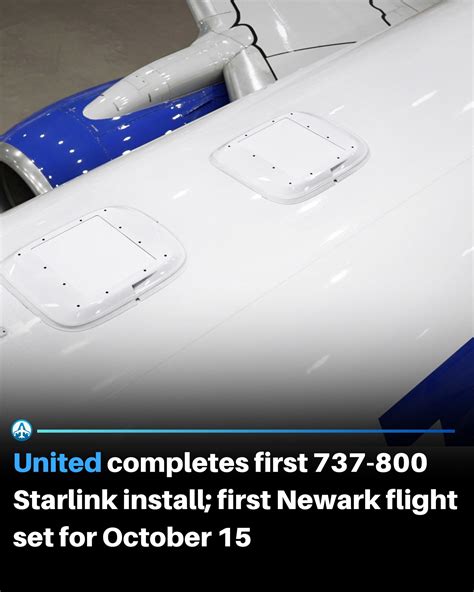
Installing satellite connectivity across a major airline fleet is not simply a matter of attaching an antenna and activating a service. Each aircraft has to pass through an installation process involving equipment, wiring, interior work, testing and certification requirements. United’s decision to distribute the workload across 17 installation locations is therefore central to its strategy. Instead of concentrating the work at a small number of facilities, the airline can take advantage of maintenance opportunities across its network and reduce the amount of time each aircraft spends away from revenue service.
The mathematics underline the intensity of the program. A target of more than 1,000 mainline aircraft by May 2027 means United must sustain an installation rate exceeding 20 aircraft per week. That requires a highly coordinated pipeline in which aircraft arrive for planned maintenance, receive the necessary Starlink hardware and modifications, complete testing and return to scheduled operations with minimal disruption. At United’s scale, even a small improvement in installation efficiency can translate into dozens of additional aircraft becoming connected each month.
The strategy also reflects the advantage of having an existing maintenance infrastructure. United does not need to create an entirely new nationwide installation network specifically for Starlink. By integrating the work into established maintenance locations, the airline can turn routine aircraft downtime into opportunities to complete a major technology upgrade. That approach becomes increasingly important as United moves beyond easier regional installations and focuses on its much larger mainline fleet.
Starlink Wi-Fi Gives United a Major Passenger Experience Advantage
United’s urgency is understandable when passenger feedback is considered. The airline reported in its second-quarter results that Starlink-equipped flights produced Wi-Fi satisfaction scores more than twice as high as aircraft using other onboard connectivity systems. That gap gives United something considerably more valuable than a technical specification: measurable evidence that passengers notice the difference.
High-speed satellite connectivity can change how travelers use an aircraft’s cabin. Passengers can work with fewer interruptions, communicate throughout a flight and access streaming services without relying on the inconsistent performance that has historically characterized onboard internet. For long-haul passengers, the value is even greater because a reliable connection can make an extended journey feel substantially less disconnected from life on the ground.
The technology also creates a powerful consistency argument. United operates one of the world’s largest and most complex airline fleets, meaning passengers can encounter very different onboard products depending on the aircraft assigned to a route. Expanding Starlink across the mainline fleet reduces that uncertainty. Over time, travelers will have a greater chance of finding the same fast connectivity experience whether they board a narrowbody aircraft for a domestic trip or a widebody aircraft for an international journey.
United Targets Delta Flyers With a Connectivity Advantage
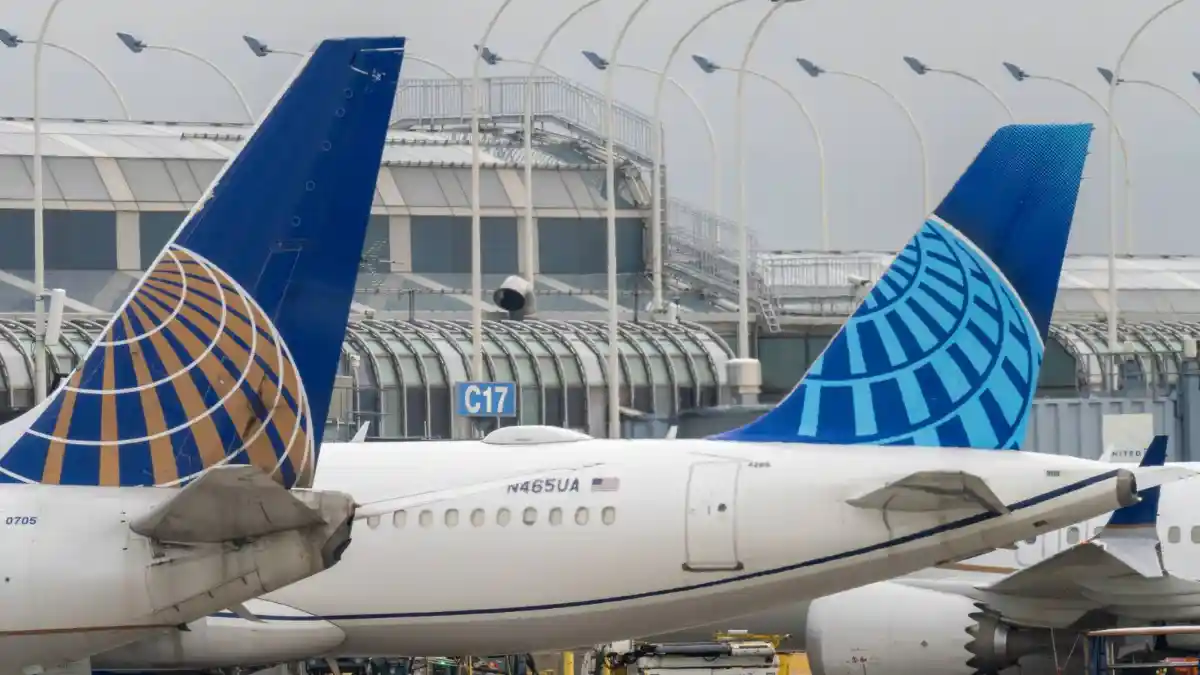
The competitive implications extend well beyond Wi-Fi itself. United is increasingly using Starlink as a customer acquisition tool, particularly when targeting travelers loyal to rival airlines. Its “Switch To Better Wi-Fi” campaign has offered eligible customers with Delta or American status an opportunity to receive a temporary United status match, potentially reaching the valuable Premier 1K tier.
That marketing strategy is significant because United is not merely saying that its Wi-Fi is better. It is connecting the technology directly to the broader question of airline loyalty. A frequent flyer who spends dozens of hours aboard aircraft every year has a much stronger incentive to consider connectivity when choosing an airline than an occasional traveler does. If United can combine fast Wi-Fi with its loyalty program and network advantages, Starlink becomes part of a larger argument for switching carriers.
United’s timing is particularly favorable. Delta Air Lines has selected Amazon’s satellite connectivity technology, but its rollout is not expected to begin until 2028. American Airlines has announced Starlink for more than 500 Airbus aircraft beginning in 2027, while Southwest Airlines and Alaska Airlines are also developing their own Starlink programs. United therefore has an opportunity to establish a substantial fleet-wide lead before some major competitors reach similar levels of coverage.
Mainline Aircraft Are Now the Center of United’s Rollout
Independent fleet tracking illustrates why the new target represents such a dramatic acceleration. The United Starlink Tracker has listed hundreds of equipped aircraft, but the distribution between regional and mainline aircraft shows where the remaining challenge lies. Regional United Express aircraft have progressed much further, while mainline Starlink penetration remains comparatively limited.
That distinction matters because United’s mainline operation contains the aircraft that carry a huge proportion of the airline’s customers. The installation campaign therefore has to move beyond regional aircraft and rapidly penetrate the Boeing and Airbus fleets that form the backbone of United’s network.
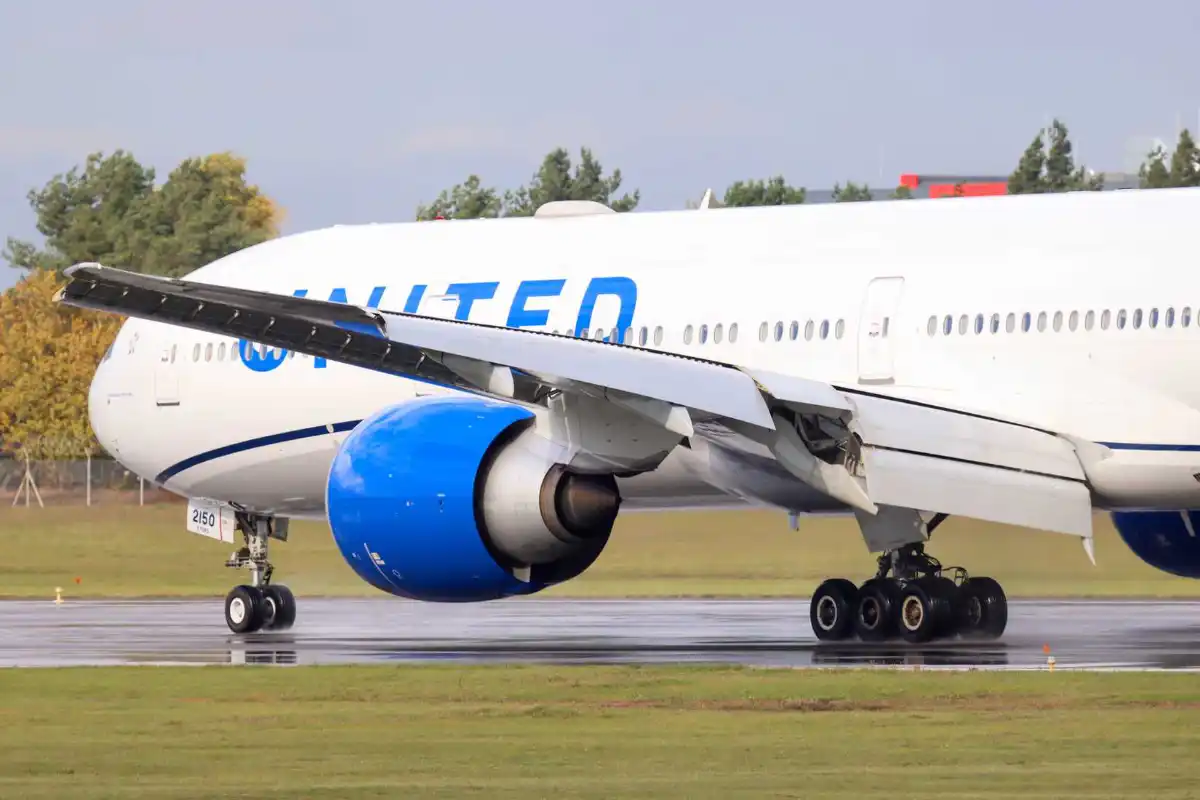
Widebodies are an especially important part of the plan. United’s first Starlink-equipped widebody entered transatlantic service in June 2026, and the airline has said it expects to equip its entire widebody fleet in 2027. Those aircraft operate some of United’s longest flights, making reliable connectivity particularly valuable for passengers spending eight, ten or even more hours in the air.
More Than Wi-Fi: United Is Building a Fleet-Wide Product Advantage
The ultimate significance of United’s Starlink blitz is that the airline is trying to turn connectivity into a defining element of its passenger experience. A few hundred equipped aircraft can make Starlink an attractive feature, but more than 1,000 mainline aircraft would make it increasingly difficult for travelers to view the technology as an occasional bonus. It could instead become something passengers expect whenever they fly United.
Maintaining a pace of more than 20 mainline installations per week will be a formidable operational challenge, especially as the program reaches different aircraft types and more complex maintenance requirements. Yet United has already demonstrated that it can execute the rollout at substantial scale. If the airline maintains that momentum through the first months of 2027, its May target could mark a major shift in the competitive Wi-Fi race.
The broader battle is no longer simply about which airline offers internet access. It is about who can make fast, reliable connectivity available across the largest portion of its fleet first. United’s aggressive Starlink strategy puts it in a strong position to define passenger expectations before Delta’s Amazon-based system arrives, while also giving the airline another weapon in the increasingly competitive fight for high-value frequent flyers.