On June 9, 2025, a disturbing and unsanitary incident onboard Frontier Airlines Flight 1369, traveling from Seattle to Dallas-Fort Worth International Airport (DFW), has stirred outrage across social media and aviation forums. A passenger discovered her carry-on bag soaked in what she later realized was urine—a bizarre and revolting situation that has led to questions about passenger safety, airline hygiene protocols, and the limits of corporate accountability.
The Discovery at 30,000 Feet
What began as an ordinary domestic flight quickly spiraled into a scene of confusion and disgust. After placing her backpack beneath the seat in front of her—a routine practice for travelers—the unnamed female passenger noticed the fabric was damp. Initially attributing the wetness to a spilled beverage or cleaning fluid, she only realized the true nature of the liquid upon reaching the lavatory to dry the item. The distinct yellow tint and unmistakable odor quickly led to the horrifying conclusion: urine.
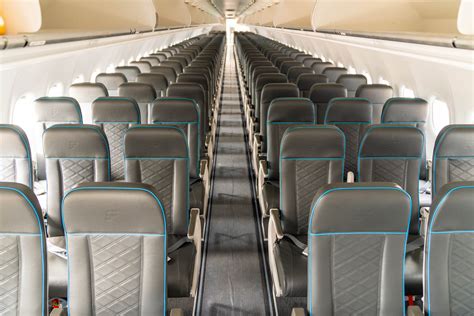
Convinced that the passenger seated ahead of her had urinated during the flight, she approached Frontier Airlines cabin crew for assistance. Their response, according to her later reports and corroborating media accounts, was at best indifferent and at worst dismissive. The flight attendants allegedly told her that the airline did not classify urine as a biohazard and recommended she take the matter up directly with the fellow passenger.
A Murky Response from Frontier Airlines
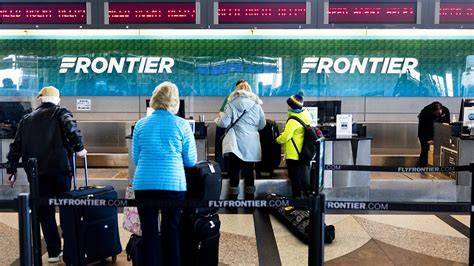
Once the aircraft landed at Dallas-Fort Worth, the passenger attempted to escalate the situation with ground staff. According to her account and a post later shared by a relative on social media, she was bounced from gate agents to ticket counter personnel, eventually speaking to a supervisor. Despite holding urine-soaked paper towels as proof, she received little more than a shrug. The supervisor admitted to never having dealt with such a situation and suggested that only a general manager could help—only to then declare the issue out of Frontier’s hands.
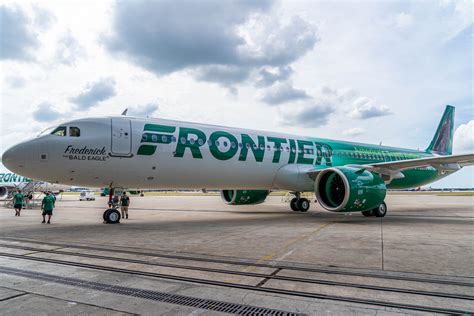
At no point did anyone from the airline offer any compensation, assistance, or even a formal report. Frontier’s policy, it turned out, was clear: unless damage to a carry-on item is caused by Frontier’s or its agents’ direct negligence, the airline bears no liability. The airline’s contract of carriage states:
“Frontier will not be liable for loss or damage to carry-on baggage unless such damage is caused by Frontier’s or its agent’s negligence, which does not include damage resulting from turbulence, shifting of items during flight, or ordinary handling, including placing the baggage in overhead compartments or under seats.”
The Contract vs. Common Decency
From a legal standpoint, Frontier appears to be protected. But the law and ethics do not always align. Passengers increasingly expect airlines to take basic responsibility for ensuring cleanliness and health safety during flights, especially in confined spaces where exposure to bodily fluids poses hygiene risks.
Experts have since weighed in, noting that the airline’s refusal to treat the incident as a biohazard is not only insensitive but could violate broader aviation hygiene norms. One former flight attendant described the response as “astonishingly tone-deaf,” especially in an era where cleanliness standards in aviation have become more scrutinized than ever.
Public Reaction: Anger and Disgust
News of the incident spread rapidly, fueled by social media posts from the passenger’s relatives and subsequent coverage in major outlets, including the New York Post. Public opinion has been swift and harsh, with many accusing Frontier of treating its passengers with contempt.
Online forums such as Reddit’s r/airlines and aviation-focused platforms saw an influx of comments questioning Frontier’s customer service standards and hygiene protocols. Many commenters shared their own experiences of being dismissed by low-cost carriers, highlighting a recurring theme: profitability over passenger care.
Operational Procedures and Hygiene Protocols
According to internal sources and former Frontier employees, the airline operates with a minimal cleaning staff between flights and relies heavily on tight turnaround times to maintain its low-cost model. Unlike major carriers that employ professional cleaning crews to sanitize cabins overnight or between long-haul segments, Frontier often performs only basic trash removal and quick visual inspections.
This may partly explain why the urine incident went unnoticed until the passenger herself raised the issue. It also raises broader questions about how airlines balance operational efficiency with sanitation, particularly when dealing with potential exposure to human waste.
Industry Standards and Legal Grey Areas
The Airline Deregulation Act limits passengers’ ability to sue carriers over service-related issues, which include baggage policies. As long as airlines publish their terms and conditions, they are largely protected from liability—unless gross negligence or injury can be proven.
This legal insulation often leaves passengers in a frustrating limbo, unable to hold airlines accountable for serious, though technically non-injurious, breaches of conduct. In this case, even if the urine originated from another passenger, critics argue that the airline should have taken the lead in resolving the issue.
Ethical and Reputational Fallout
Frontier’s lack of empathy is what seems to have struck the public nerve most deeply. While legality may shield the airline from financial responsibility, the reputational damage could linger longer. In an age where customer service missteps go viral, a failure to demonstrate compassion—even symbolically—can cost companies more than a refund ever would.
Consumer rights advocates have suggested that Frontier could have issued a travel voucher, a refund, or at least taken the passenger’s concerns seriously. Doing so would not have set a dangerous precedent, they argue, but rather shown that the airline values human dignity over legal technicalities.
Where Frontier Goes From Here
This incident, while unusual, is part of a broader pattern in U.S. aviation, where cost-cutting and contractual fine print often trump accountability. In Frontier’s case, the airline’s ultra-low-cost business model is built on high passenger volumes, fast turnarounds, and reduced overheads—all of which contribute to situations where individual customer care can fall through the cracks.
The company has yet to release a public apology or further comment beyond its legal stance. Aviation analysts suggest that unless additional passengers come forward or the case receives regulatory attention, the matter is unlikely to result in meaningful change—at least internally.
A Warning to Passengers
The story serves as a stark reminder to airline passengers: know your rights, read the fine print, and manage expectations when flying on budget carriers. While Frontier Airlines is not alone in adhering to such policies, the incident spotlights the real-world consequences when customer care is deprioritized.
It also reignites the long-standing debate on whether current airline liability laws do enough to protect travelers in cases of emotional distress or sanitation failures. For now, passengers may have little recourse beyond spreading the word and thinking twice before booking their next flight with a carrier that chooses the letter of the law over the spirit of service.
Final Thoughts: Legal But Not Right?
Legally, Frontier Airlines is likely in the clear. Morally and ethically, however, the airline’s handling of this unsanitary, distressing, and embarrassing incident leaves much to be desired. The carrier’s insistence on sidestepping accountability has turned what could have been a simple case of poor luck into a public relations nightmare.
Until major airlines prioritize both policy compliance and human empathy, incidents like these will continue to surface—and in the age of viral outrage, few companies can afford to ignore the human cost of legal loopholes.