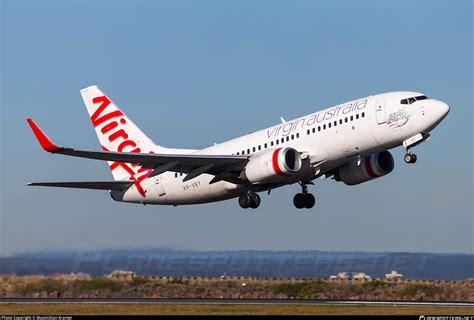
A Virgin Australia domestic flight approaching Melbourne was forced to initiate an emergency response after a passenger’s vape device ignited inside the aircraft cabin, creating smoke and prompting immediate action from the flight crew. The incident occurred on Sunday, March 15, aboard flight VA328, which was operating a scheduled service from Brisbane Airport (BNE) to Melbourne Airport (MEL).
According to aviation reports, cabin crew detected smoke inside the passenger compartment as the aircraft neared the final phase of its journey. The source was quickly identified as an overheating e-cigarette device, which had begun to burn. Crew members moved rapidly to contain the device and prevent the situation from escalating while the pilots notified air traffic control of the onboard emergency.
The aircraft involved was a Boeing 737-800, one of the most widely used narrowbody aircraft in Virgin Australia’s domestic fleet. Despite the alarming circumstances inside the cabin, the flight crew maintained control of normal flight operations while coordinating with airport authorities on the ground. Emergency vehicles were dispatched to Melbourne Airport as a precaution while the aircraft continued its approach.
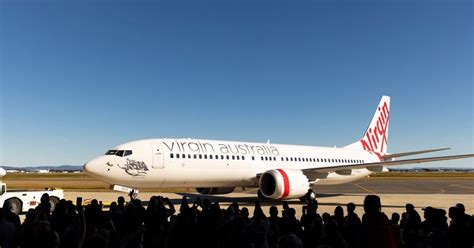
Smoke Detected In Cabin During Final Approach
The situation unfolded during the final stage of the flight, when smoke was reported by passengers and cabin crew. Investigations later confirmed the source was a personal vape device belonging to a passenger. Lithium-powered electronic cigarettes can overheat under certain conditions, and when the battery fails it may ignite or release dense smoke.
In response to the developing situation, the pilots issued a PAN call, a recognized aviation urgency signal used when an aircraft requires priority handling but is not facing immediate catastrophic danger. This call alerted air traffic controllers that the flight needed expedited landing clearance and emergency readiness on the ground.
While the aircraft continued its descent, cabin crew worked to isolate the device and prevent flames or heat from spreading to surrounding materials. Flight attendants are trained extensively to deal with electronic device incidents, including methods for cooling batteries and containing smoke inside specialized fire-resistant equipment carried onboard.
The aircraft landed safely at Melbourne Airport, where firefighters and emergency responders were already positioned along the runway and taxiways. After touchdown, emergency crews followed the aircraft as it taxied toward the gate to ensure the device posed no further risk.
Safe Landing And Passenger Disembarkation
Despite the mid-air emergency, the flight concluded without injuries. After arriving at the gate, passengers were able to disembark normally, and the situation was formally assessed by airport emergency personnel.
Melbourne Airport later confirmed the safe outcome in an official statement, noting that the Boeing 737 landed without complications and that standard procedures were followed once the aircraft reached the terminal area.
The response demonstrated the effectiveness of modern aviation safety protocols. From the moment smoke was detected, multiple layers of response were activated simultaneously: cabin crew containment procedures, pilot communication with air traffic control, and airport emergency readiness.
Events like this often appear dramatic, yet aviation systems are deliberately designed with redundancy. The goal is simple but powerful: when something unusual happens, trained humans and structured procedures work together to control the situation before it becomes dangerous.
Why Lithium Battery Devices Pose Risks On Aircraft
The incident aboard VA328 highlights a broader issue in modern aviation: the growing number of lithium-ion battery powered devices carried by passengers. These batteries are used in everyday electronics such as smartphones, laptops, vape devices, and portable chargers.
When functioning normally, lithium-ion batteries are efficient energy storage systems. However, under certain conditions they can enter a failure process called thermal runaway. This occurs when a damaged or overheated battery begins a self-sustaining chain reaction that produces intense heat, flammable gases, and sometimes flames.
Inside the confined space of an aircraft cabin, even a small battery fire can cause significant concern. Smoke can spread quickly, and burning lithium batteries are difficult to extinguish using traditional firefighting techniques.
For this reason, global aviation regulators require electronic cigarettes and spare lithium batteries to be carried in cabin baggage only, rather than checked luggage. The logic is straightforward: if a battery fails in the cabin, the crew can immediately respond. If the same event occurred in the cargo hold, the response would be far more complicated.
Airlines Tighten Rules Around Portable Batteries
Airlines around the world have become increasingly cautious about portable battery devices as the number of incidents slowly rises alongside the explosion of personal electronics carried by travelers.
Virgin Australia itself introduced stricter guidance on power bank usage in December, limiting how such devices may be used or charged during flights. Another major Australian airline, Qantas, implemented similar restrictions during the same period.
These measures reflect an industry-wide trend: aviation safety authorities are closely monitoring incidents involving overheating batteries, power banks, and vape devices. While such events remain rare, each case provides valuable data that helps refine onboard procedures.
Aircraft are also equipped with specialized tools for these situations, including fire containment bags, heat-resistant gloves, and cooling liquids designed specifically to manage electronic device fires. Cabin crew training programs now devote significant time to battery-related emergency scenarios.
Battery Fires In Aviation: Rare But Serious
Battery-related incidents occur periodically across global aviation networks. They rarely lead to catastrophic outcomes because crews are trained to respond rapidly, but regulators treat every event with seriousness.
A similar case occurred in July 2025, when another Virgin Australia flight experienced a power bank fire inside an overhead locker. Cabin crew extinguished the device before it could cause major damage, but the incident reinforced the importance of strict battery safety protocols.
The challenge for airlines is balancing passenger convenience with safety. Modern travelers carry multiple devices—phones, tablets, wireless earbuds, laptops, cameras, and chargers. Each device contains a battery capable of generating intense heat if it fails.
That reality means aviation safety will increasingly revolve around managing energy-dense portable electronics inside pressurized aircraft cabins.
The Virgin Australia VA328 incident ultimately ended without injuries, thanks to quick thinking by the crew and established safety procedures. The event serves as a reminder that even small devices can create complex situations at 35,000 feet—and that aviation safety relies heavily on preparation, training, and disciplined response when the unexpected occurs.