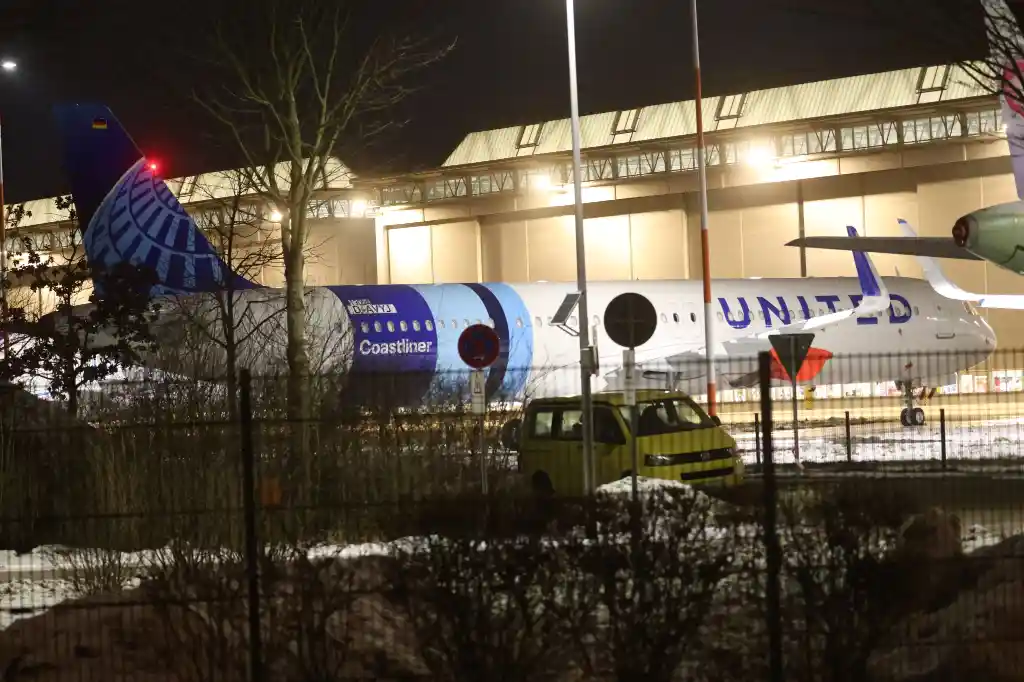
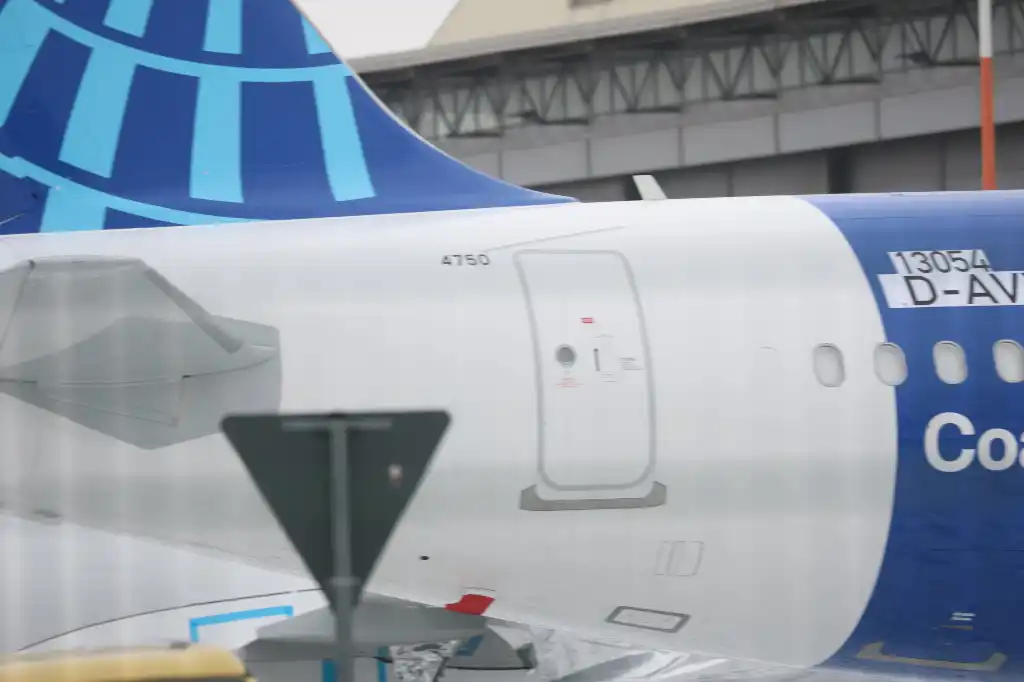
United Airlines is quietly but decisively reshaping the premium transcontinental market with the introduction of a new Airbus A321neo subfleet branded under the evocative name “Coastliner.” The first aircraft, registered N94750, has emerged from Airbus’s Hamburg facility wearing a distinctive livery that signals more than cosmetic change. This jet represents a structural rethink of how United intends to serve high-yield coast-to-coast routes in the second half of the decade.
For years, premium transcontinental flying in the United States has been defined by widebody-style comfort squeezed into narrowbody aircraft, primarily the aging Boeing 757-200. United’s Coastliner concept is designed to keep that premium DNA intact while leveraging the efficiency, range, and economics of the latest-generation A321neo. The result is a smaller, more focused aircraft built around revenue quality rather than raw seat count.
Unlike United’s existing A321neo fleet, these aircraft are not optimized for dense domestic flying. Instead, they are purpose-built for passengers who treat transcontinental flights as airborne offices, bedrooms, and lounges, all wrapped into one long sector between the coasts.
By introducing a three-class cabin with lie-flat Polaris seating, United is signaling that premium narrowbody travel is no longer a stopgap solution. It is becoming a core pillar of network strategy, especially as aircraft delivery delays force airlines to rethink fleet planning in real time.
A Purpose-Built Subfleet Emerges in Hamburg
The aircraft spotted in Germany is the first of forty Airbus A321-252NX jets internally designated as the A321LF. This marks a clean break from United’s current A321-271NX aircraft, which are powered by Pratt & Whitney GTF engines and configured with roughly 200 seats. The Coastliner aircraft use CFM LEAP-1A30 engines, a lower-thrust variant optimized for efficiency and long stage lengths rather than maximum payload.
This subfleet exists largely because of circumstances outside United’s control. Delays surrounding the certification and delivery of the Boeing 737 MAX 10 forced the airline to seek an interim, yet capable, replacement. Leasing A321neos offered flexibility, faster availability, and enough range to replicate the 757’s mission profile on transcontinental routes without compromise.
The numbering shift to the 47xx series underscores how distinct these aircraft are within United’s broader fleet. While officially unannounced, the Coastliner branding and livery make it clear that United intends these jets to be recognized by passengers as something different the moment they step onboard.
Inside the Coastliner Cabin: Fewer Seats, Higher Value
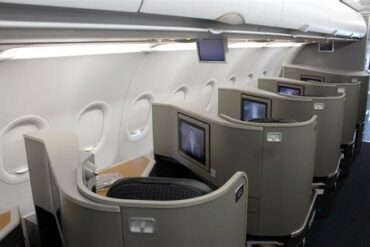
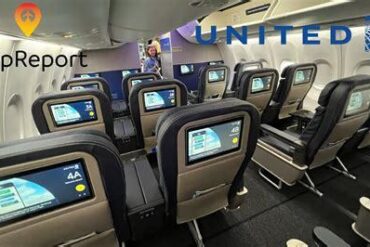
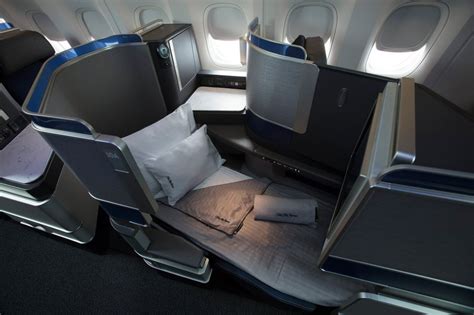
The most striking feature of the A321LF is its deliberately restrained seating capacity. With just 161 seats, the aircraft prioritizes comfort, space, and yield over density. At the front of the cabin sit 20 Polaris business class suites, each offering direct aisle access and lie-flat capability. The seat model is widely believed to be the Elevate Altitude platform, a modern herringbone design with privacy doors and exceptional space efficiency.
What makes this choice notable is its compact pitch, allowing United to install a true long-haul business class experience without sacrificing too much cabin real estate. For passengers, the experience is closer to an international widebody than a domestic narrowbody, particularly on five- to six-hour flights where sleep and privacy matter.
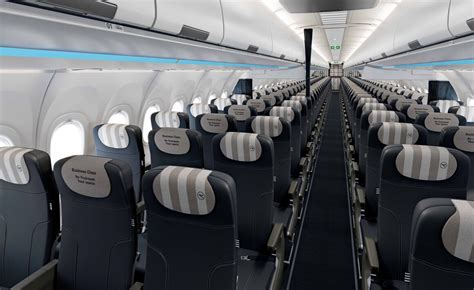
Behind Polaris is a 12-seat Premium Plus cabin arranged four-abreast. This section bridges the gap between business and economy, targeting travelers willing to pay for space and service but not a full suite. The remaining 129 seats make up the economy cabin, with 36 designated as Economy Plus, preserving United’s upsell strategy even at the back of the aircraft.
This configuration allows United to maintain strong premium capacity while still offering a meaningful economy product, something that becomes increasingly important as corporate travel gradually rebounds.
Engineering Choices That Shape the Cabin Experience
The A321LF shares many structural elements with United’s future A321XLR fleet, but subtle differences reveal how carefully these aircraft have been optimized for their role. The Coastliner jets use Airbus’s Space Flex rear galley and lavatory configuration, freeing up room for additional economy seating without extending the fuselage or compromising range.
By contrast, United’s A321XLRs, intended for transatlantic missions, will feature a full rear galley and fewer economy seats. This distinction highlights how United is tailoring each narrowbody variant to a specific mission rather than forcing a one-size-fits-all solution across its fleet.
The result is a transcontinental aircraft that balances premium density with operational efficiency, ensuring profitability even on routes where competition is fierce and fares are closely scrutinized.
Competitive Pressure in the Premium Transcon Arena
United’s Coastliner move arrives at a moment when competitors are also redefining their narrowbody strategies. American Airlines has already begun deploying the Airbus A321XLR on premium routes, while Delta Air Lines is taking a more conservative approach with a limited number of premium A321neos and no XLR commitment.
What sets United apart is scale and intent. Replacing forty Boeing 757-200s with forty A321LFs dedicated to transcontinental flying, while simultaneously ordering fifty A321XLRs for long-haul routes, signals expansion rather than mere replacement. United is not just maintaining its premium footprint; it is widening it.
American’s narrower fleet plan and Delta’s skepticism toward long-haul narrowbodies leave United uniquely positioned to dominate premium coast-to-coast travel, especially among corporate and high-value leisure travelers.
A Strategic Bet on the Future of Narrowbody Premium Travel
The Coastliner A321neo represents more than a response to aircraft delays. It reflects a broader belief that passengers increasingly value experience over aircraft size. In an era where efficiency and flexibility matter as much as prestige, United’s decision to invest heavily in premium narrowbody products looks less like a compromise and more like a calculated advantage.
As these aircraft enter service in 2026, they will likely redefine expectations for domestic premium flying, proving that the narrowbody, when thoughtfully configured, can deliver a truly long-haul experience across the American continent.