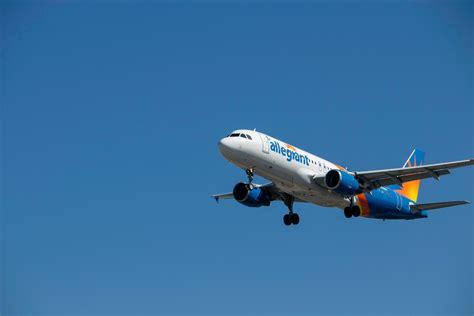
Allegiant Air is making another significant adjustment to its Northern Summer 2026 network, removing or shortening service on nearly 30 routes as the ultra-low-cost carrier aligns its schedule with changing seasonal travel demand. While the latest network update affects dozens of city pairs across the United States, the changes largely reflect the airline’s long-standing strategy of operating highly seasonal leisure routes rather than signaling a broad market withdrawal.
The revised schedules, identified through comparisons of official airline filings, include temporary suspensions from Kansas City, Richmond, and Rochester, New York, where Allegiant will pause all scheduled operations for part of the fall before returning later in the year. The adjustments are based on differences between the airline’s April and June 2026 schedule submissions and could still evolve before the affected travel periods begin.
Allegiant Air Temporarily Suspends Service From Three Cities
Unlike permanent airport exits, Allegiant’s latest move represents a seasonal withdrawal designed to match capacity with periods of weaker passenger demand. Kansas City, Richmond, and Rochester will each temporarily disappear from the carrier’s route map during the autumn slowdown before scheduled flights resume as demand improves.
This strategy has become a defining characteristic of Allegiant’s business model. Instead of maintaining year-round operations regardless of demand, the airline frequently adjusts its schedule to maximize aircraft utilization during the busiest vacation seasons while avoiding underperforming periods. The flexibility allows Allegiant to concentrate resources where leisure traffic remains strongest.
Rather than abandoning these markets altogether, the airline is effectively placing them into temporary hibernation until travel demand rebounds. For passengers, that means fewer nonstop options during the fall but an expectation that service will return according to current schedules.
Nearly 30 Routes Receive Schedule Reductions
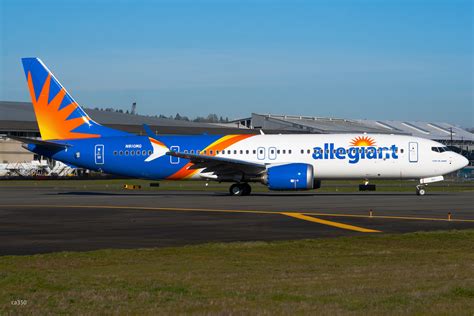
Beyond the temporary city suspensions, Allegiant has revised service across a wide range of leisure-oriented routes throughout its domestic network. Several flights will conclude weeks earlier than previously planned, while others will pause before restarting later in the year.
Among the routes receiving notable adjustments are services linking Austin with Asheville, Las Vegas, and Washington Dulles. Flights from Austin to both Las Vegas and Washington Dulles are now scheduled to end in late July instead of continuing deeper into the summer season.
Additional reductions affect routes including Burbank–Indianapolis, Destin/Fort Walton Beach–Chicago Midway, and Destin/Fort Walton Beach–Little Rock, alongside numerous other leisure markets. Although the affected routes span multiple regions of the country, they share one common characteristic: demand tends to fluctuate considerably outside peak vacation periods.
The latest revisions also follow several larger network changes announced previously, including Allegiant’s decision to discontinue service entirely at Los Angeles International Airport (LAX), Oakland International Airport (OAK), Minneapolis–Saint Paul International Airport (MSP), and Norfolk International Airport (ORF).
Seasonal Scheduling Remains Central to Allegiant’s Strategy
Unlike traditional network airlines that rely on large hub-and-spoke systems, Allegiant has built its reputation around connecting smaller and medium-sized communities directly with popular vacation destinations. The carrier generally avoids competing head-to-head on high-frequency business routes, instead focusing on travelers seeking nonstop access to leisure markets.
This operating model naturally produces a more dynamic schedule. Aircraft can be shifted quickly between destinations as travel patterns change, allowing the airline to improve efficiency while reducing losses during slower periods. Seasonal route suspensions therefore represent a routine planning tool rather than an emergency response.
Because vacation travel often peaks during school holidays and summer months, many Allegiant routes experience significant swings in passenger demand. Rather than maintaining low-load flights throughout the year, the airline temporarily reallocates aircraft to stronger-performing markets.
Why Travelers May See More Frequent Route Changes
Passengers flying with Allegiant often experience a different scheduling philosophy than those using larger legacy airlines. Major network carriers typically preserve daily service throughout the year, adjusting frequencies rather than removing routes entirely. Allegiant, however, frequently introduces, suspends, and restores routes according to anticipated leisure demand.
This flexibility enables the airline to respond rapidly to changing booking trends, fuel costs, aircraft availability, and seasonal vacation patterns. Travelers considering future Allegiant flights should therefore expect periodic schedule updates, particularly on routes serving popular tourist destinations.
Although temporary suspensions can reduce travel options for several months, they also allow the airline to maintain profitability while continuing to serve markets that might otherwise become financially unsustainable under year-round operations.
Temporary Cuts Do Not Signal a Broader Network Retreat
Despite the sizeable number of affected routes, the latest schedule revision should not be interpreted as a widespread retreat from the airline’s existing network. Most changes involve either earlier seasonal endings or temporary pauses rather than permanent cancellations.
Current filings indicate that Allegiant intends to restore service to Kansas City, Richmond, and Rochester after the seasonal suspension concludes. Likewise, several affected routes remain scheduled to operate throughout the peak summer travel period before entering their planned autumn hiatus.
As with all airline schedules, additional adjustments remain possible before departure dates arrive. Airlines continuously refine capacity forecasts based on booking trends and operational requirements, meaning further modifications cannot be ruled out.
For travelers, the latest update reinforces an important aspect of Allegiant’s operating philosophy: flexibility remains one of the airline’s strongest competitive advantages. By continually matching aircraft deployment with seasonal demand, the carrier aims to preserve efficient operations while maintaining its focus on affordable nonstop leisure travel. Although nearly 30 routes are changing, the broader strategy remains unchanged—serve vacation travelers where demand is strongest, pause operations where demand softens, and return when market conditions improve.