Frontier Airlines is recalibrating its trajectory in a decisive shift that underscores mounting pressure across the U.S. ultra-low-cost carrier sector. The Denver-based airline will return 24 leased Airbus A320neo aircraft, defer 69 additional Airbus deliveries until 2031, and restructure future sale-leaseback transactions in a sweeping effort to stabilize margins and restore financial balance. The move signals a transition from aggressive expansion to disciplined capacity management.
The decision follows the carrier’s latest financial disclosures, which revealed a quarterly net profit of $53 million but a full-year net loss totaling $137 million. Those figures illustrate a familiar paradox in today’s aviation market: isolated quarterly resilience overshadowed by broader structural strain. Rising operating costs, fluctuating demand patterns, and intensifying competition have narrowed the margin for error among budget airlines that depend on high aircraft utilization and rapid growth to generate returns.
Frontier’s leadership appears to have concluded that its previous expansion strategy outpaced market realities. By moderating its fleet growth and returning aircraft mid-lease, the airline is prioritizing liquidity preservation and network efficiency over raw scale.
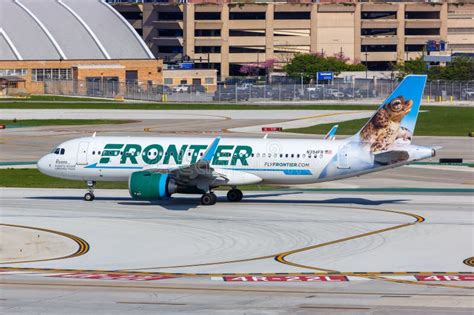
Strategic Fleet Reduction to Improve Financial Stability
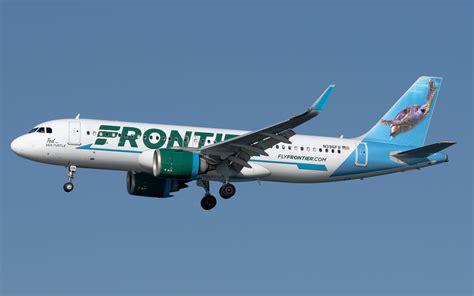
Frontier currently operates more than 160 aircraft, all drawn from the Airbus A320 family. Its fleet includes A320ceo and A321ceo models alongside newer, more fuel-efficient A320neo and A321neo variants. The NEO series—“New Engine Option”—delivers meaningful reductions in fuel burn and maintenance costs, making it central to Frontier’s long-term cost strategy. However, even fuel-efficient aircraft must justify their place in the schedule through sustained demand and profitable deployment.
Under the revised plan, 24 leased A320neos will be returned to Irish lessor AerCap before mid-2026. Returning aircraft mid-lease is not a casual decision; it typically reflects a deliberate assessment that capacity exceeds near-term demand projections. At the same time, AerCap has agreed to complete 10 future sale-leaseback transactions, providing Frontier with short-term financial flexibility. Sale-leasebacks allow airlines to monetize aircraft by selling them to lessors and leasing them back, generating immediate cash while maintaining operational control.
More consequential still is the deferral of 69 A320neo and A321neo deliveries until the start of the next decade. Aircraft delivery schedules are long-term commitments negotiated years in advance. Pushing nearly 70 aircraft into the 2030s represents a material reset of Frontier’s growth curve.
From Aggressive Expansion to Sustainable 10% Growth
Industry observers have noted that Frontier’s prior growth ambitions may have exceeded sustainable demand levels. The airline had been expanding routes and adding aircraft at a pace consistent with double-digit annual capacity increases. Now, the recalibrated target appears to be closer to 10% long-term annual growth—a more measured figure for a carrier navigating volatile economic cycles.
Recent operational signals hinted at this shift. Frontier’s booking window earlier this year extended only a few months ahead, prompting speculation about schedule uncertainty. That window has since expanded through September, suggesting that capacity planning is stabilizing under the revised fleet strategy. Meanwhile, the airline indefinitely canceled service to Harrisburg and Aruba, adjustments that may reflect route-level profitability analysis rather than broad retrenchment.
Frontier’s largest passenger bases remain concentrated in Denver, Orlando, and Las Vegas, followed by Atlanta, Philadelphia, Dallas/Fort Worth, and Phoenix. These hubs anchor a leisure-focused network that thrives on price-sensitive travelers. In such markets, matching seat supply precisely to demand is critical; oversupply rapidly erodes yields.
Indigo Partners and the Broader ULCC Landscape
Frontier’s strategic pivot unfolds within a larger portfolio managed by Indigo Partners, the American private equity firm that also holds stakes in JetSmart, Volaris, and Wizz Air. Indigo has historically championed the ultra-low-cost model built on dense seating, ancillary revenue streams, and rapid fleet standardization around Airbus narrow-body aircraft.
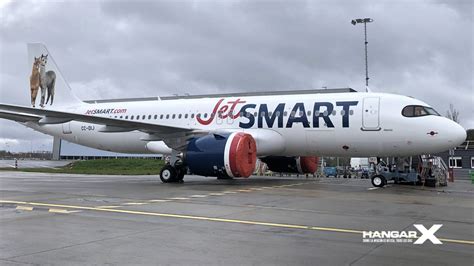
The firm previously attempted to merge Frontier with Spirit Airlines in 2022, a deal ultimately overtaken by JetBlue’s competing bid. With Frontier now focused inward on financial consolidation, prospects for renewed consolidation efforts appear remote. Instead, the airline is emphasizing operational refinement over transformative mergers.
Across the ULCC segment, carriers are confronting similar pressures: aircraft delivery backlogs, cost inflation, and uneven demand recovery patterns. The very efficiency that defines low-cost carriers—high utilization and lean cost structures—can amplify risk when revenue softens. Frontier’s fleet adjustments reflect a recognition that growth must be synchronized with demand elasticity.
Balancing Brand Identity With Operational Discipline
Despite financial headwinds, Frontier maintains one of the most distinctive brand identities in American aviation. Its aircraft tails feature wildlife imagery celebrating environmental conservation, with each plane assigned a named animal. The branding reinforces a friendly, approachable image that resonates with leisure travelers.
Yet brand charm cannot offset structural imbalance. Aircraft are capital-intensive assets, and each additional delivery introduces fixed obligations. By trimming its fleet trajectory, Frontier is reducing future capital expenditure commitments while preserving the option to scale when conditions improve.
The deferred Airbus deliveries also align with broader industry timing. As supply chain constraints continue to challenge manufacturers, later delivery slots may ultimately prove advantageous if market demand strengthens closer to 2030. In aviation, timing is often as important as strategy.
A Deliberate Reset for Long-Term Viability
Frontier Airlines’ decision to return 24 A320neos, execute 10 sale-leaseback transactions, and defer 69 aircraft until 2031 marks a deliberate reset rather than a retreat. The airline is narrowing its focus to profitable routes, moderating growth expectations, and reinforcing its balance sheet. For investors and industry observers, the message is clear: disciplined expansion now takes precedence over ambitious scaling.
In a market where fuel prices, consumer demand, and competitive dynamics can shift abruptly, flexibility becomes currency. Frontier’s fleet downsizing illustrates a pragmatic recalibration designed to protect liquidity and position the airline for steadier long-term performance. Whether this strategy restores sustained profitability will depend on execution, market stability, and the carrier’s ability to align capacity precisely with demand in an increasingly competitive skiescape.