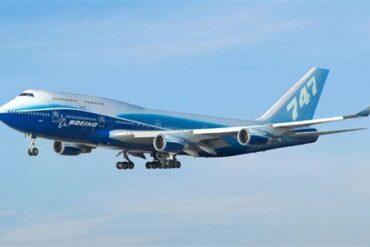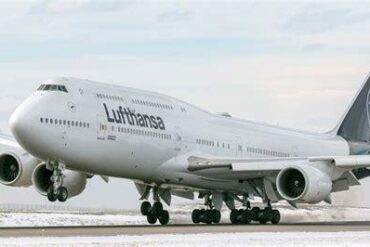
The Boeing 747, once the undisputed monarch of intercontinental aviation, now lives a quieter life. In 2026, the aircraft that democratized long-haul travel is no longer the backbone of global fleets. Instead, it appears selectively—almost ceremonially—on routes where its sheer capacity, prestige, or operational logic still make sense. And while most people associate the “Queen of the Skies” with 7,000-mile ocean crossings, the reality is more surprising. Some of the world’s shortest scheduled passenger flights on the 747 barely stretch beyond 700 miles.
The idea of a 500-seat jumbo jet hopping between cities separated by just over an hour in the air feels almost theatrical. Yet airlines are nothing if not pragmatic. Data from aviation analytics firm Cirium confirms that a handful of carriers continue to deploy the Boeing 747-400 and Boeing 747-8 Intercontinental on surprisingly compact corridors. These routes tell a story not of nostalgia, but of density, slot constraints, and strategic fleet utilization.
The shortest of them all is a route that redefines expectations of what a jumbo jet should be doing.
664 Miles: Moscow to Kaliningrad – The Absolute Shortest 747 Flight
At just 664 miles, the corridor between Moscow Sheremetyevo (SVO) and Kaliningrad (KGD) stands as the shortest scheduled passenger service operated by a Boeing 747 in 2026. Operated by Rossiya Airlines on behalf of Aeroflot, this link uses high-density Boeing 747-400 aircraft configured with an astonishing 522 seats.
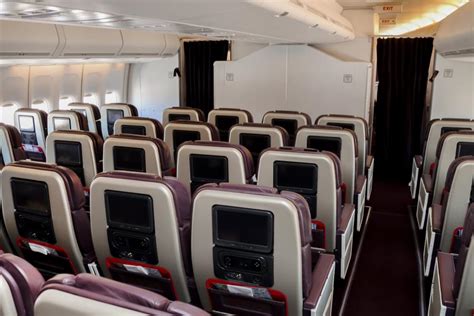
This deployment is not about glamour. It is about volume. Kaliningrad, geographically separated from mainland Russia, generates concentrated demand at peak periods. A widebody allows the airline to move large passenger volumes efficiently without increasing slot usage at Moscow Sheremetyevo. Instead of multiple narrowbody rotations, one jumbo lift accomplishes the task.
The economics are counterintuitive only at first glance. When demand spikes align with constrained airport capacity, a 747 can outperform smaller jets. The aircraft’s cost per seat becomes its silent advantage.
667 Miles: Beijing to Shanghai – The Jumbo on a Domestic Trunk Route
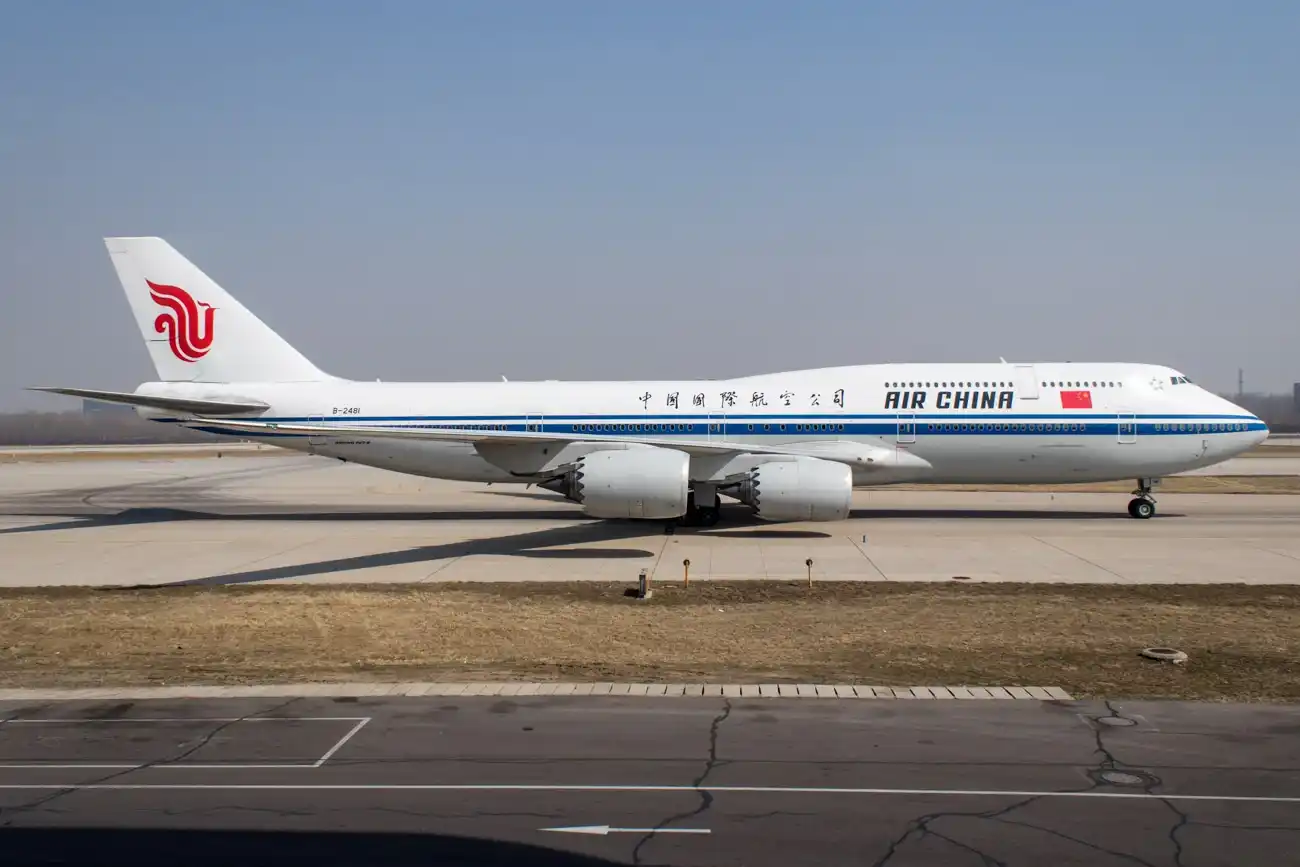
Just three miles longer, the 667-mile route between Beijing Capital (PEK) and Shanghai Hongqiao (SHA) is the world’s shortest regularly scheduled 747 service. Here, Air China turns short-haul jumbo operations into an industrial-scale enterprise.
In 2026, the airline schedules hundreds of rotations using both the Boeing 747-400 and the more modern Boeing 747-8 Intercontinental. This is not a token deployment. It is a strategic backbone on one of China’s most important domestic trunk routes.
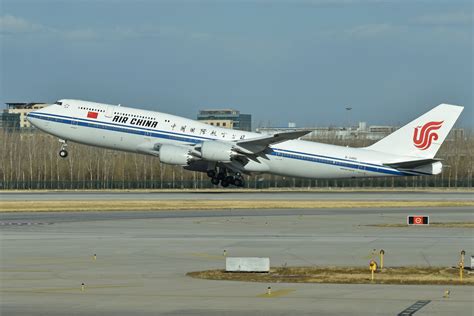
Beijing–Shanghai is a high-yield, high-volume corridor linking political and financial capitals. The route is slot-constrained, passenger-heavy, and prestige-sensitive. Deploying a 747 ensures that peak demand can be absorbed efficiently while maintaining premium cabin offerings that align with corporate travel expectations.
The presence of the 747-8 also reflects continuity. Air China has operated 747s since the 1980s. The latest generation version delivers improved fuel efficiency, quieter engines, and refined cabin architecture, making it economically viable even on sub-700-mile segments when demand justifies the scale.
Korean Air’s Short Regional Jumbo Links from Seoul
Beyond the 700-mile mark, but still remarkably short for a four-engine widebody, Korean Air operates its Boeing 747-8 from Seoul Incheon (ICN) to several regional hubs. These include Tokyo Narita (783 miles), Taipei (907 miles), and Hong Kong (1,284 miles).
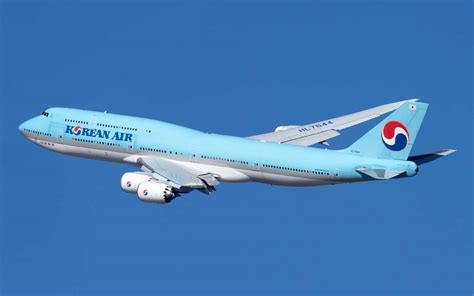
These services are not daily staples. Frequencies are limited, often appearing seasonally or during high-demand windows. Yet their existence highlights a unique role for the jumbo jet in Northeast Asia. High-density leisure flows, premium corporate demand, and slot constraints at airports like Narita create windows where a 747 rotation becomes more efficient than multiple narrowbody departures.
Unlike Beijing–Shanghai, these are tactical deployments. The aircraft appears like a heavyweight guest star, handling surges before returning to longer-haul duties.
Air China’s 1,000-Mile Domestic Power Corridors
Two additional Chinese domestic routes hover just above the 1,000-mile threshold: Beijing to Guangzhou (1,165 miles) and Beijing to Shenzhen (1,212 miles). Both see substantial 747 utilization.
The Guangzhou corridor in particular records hundreds of annual rotations with both 747-8 and 747-400 variants. Shenzhen, a global technology hub, also supports dense traffic flows that justify the jumbo’s capacity. These routes demonstrate that the 747’s short-haul presence is not accidental. It is embedded in a domestic ecosystem where passenger volume, slot limitations, and premium demand converge.
The aircraft’s large premium cabins remain valuable on these sectors. Even on flights lasting under three hours, a differentiated product can command higher yields. In markets where time is money, comfort still matters.
Russia’s Transcontinental Giants: Moscow to the Far East
While the shortest routes attract curiosity, positions eight and nine on the list stretch dramatically longer. From Moscow Sheremetyevo, Rossiya operates 747-400 services to Blagoveshchensk (3,486 miles) and Magadan (3,653 miles).
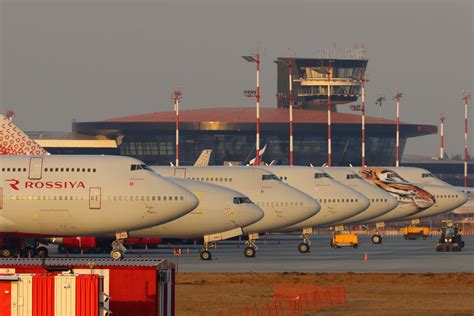
These are vast domestic journeys crossing thousands of miles of Siberian expanse. They illustrate the geographical scale of Russia more than any fleet chart ever could. For such sectors, the 747 functions in its traditional long-haul role, connecting remote regions with the capital in a single leap.
High seat counts again align with concentrated demand and limited airport infrastructure at destination points.
Frankfurt to Boston: Lufthansa’s Atlantic Workhorse
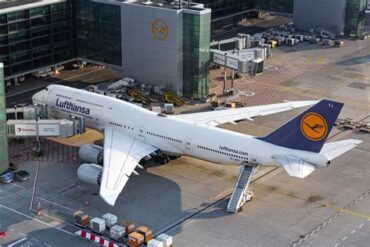
Completing the top ten is Lufthansa’s 3,670-mile route between Frankfurt (FRA) and Boston (BOS). In 2026, Lufthansa continues to schedule hundreds of rotations using the Boeing 747-400, with occasional 747-8 appearances.
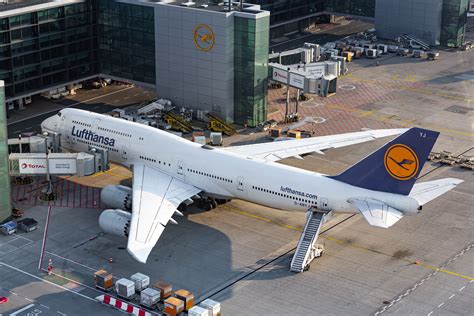
Here, the aircraft operates squarely within its natural habitat: the North Atlantic corridor. Yet even this “long” route underscores how rare the 747 has become. Once omnipresent across the Atlantic, it now serves selectively, where demand and brand identity align.
Why the 747 Still Flies Short
The existence of sub-700-mile 747 flights challenges conventional fleet logic. Modern twin-engine widebodies and narrowbodies dominate because they are efficient and flexible. However, the 747 persists where density overwhelms frequency.
Short-haul jumbo deployments often arise from three intersecting forces: slot scarcity at major hubs, high passenger concentration during peak periods, and the ability to spread operating costs across hundreds of seats. The math works when the cabin is full.
There is also a psychological dimension. The 747 remains iconic. For certain airlines and markets, it signals capability and continuity. On trunk routes in China and Russia, it still conveys scale.
In 2026, fewer than a handful of carriers operate passenger 747s in meaningful numbers. The aircraft’s production line has closed. Its future is limited. Yet its present includes unexpected short hops that defy its long-haul legend.
A 700-mile jumbo flight is a reminder that aviation is not governed by assumptions. It is governed by data, demand, and economics. The Queen of the Skies may be nearing retirement, but she still makes brief, thunderous appearances where the numbers demand it.