Automation in aviation has drastically reshaped the flight deck environment, delivering both significant benefits and critical challenges. From autopilot systems to advanced flight management systems (FMS), the integration of automation seeks to improve operational safety, reduce pilot workload, and increase efficiency across all flight phases. However, as aircraft systems grow more autonomous, a deeper reflection is necessary to evaluate both the merits and potential risks of relying on technology.
What Is Automation in Aviation?
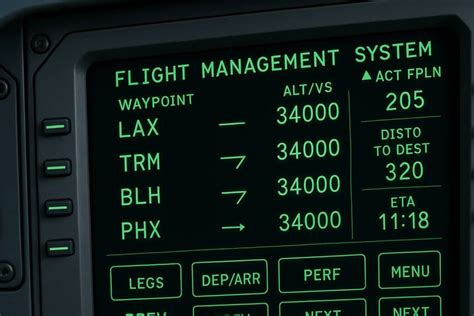
Automation in aviation involves using computerized systems and digital tools to control aircraft functions with minimal human input. It includes components such as:
- Autopilot (AP)
- Autothrottle (A/T)
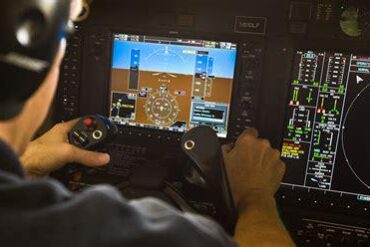
- Flight Management Systems (FMS)
- Navigation and Communication Systems
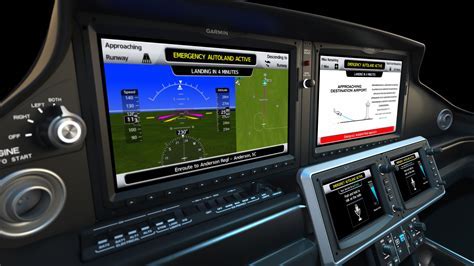
- Automatic Landing Systems
These systems assist with everything from route planning to engine performance monitoring, promising increased accuracy and reduced human error. The intent is not to remove the pilot but to shift their role to supervisory and decision-making functions.
Advantages of Aviation Automation
Reducing Human Error
The aviation industry attributes a large percentage of accidents to human error. Automated systems can minimize this by maintaining consistent operational parameters, reducing the chance of fatigue-induced mistakes or incorrect judgment.
Decreasing Workload and Cognitive Fatigue
Routine functions—such as altitude adjustments, heading changes, and speed control—can be automated, allowing pilots to focus on strategic thinking, communication, and situational awareness. This shift greatly enhances their ability to respond effectively to emergencies or unexpected circumstances.
Enhanced Flight Precision and Safety
From vertical navigation (VNAV) to Category III autoland capabilities, automation enables aircraft to perform with exceptional accuracy. This is particularly important during low-visibility conditions or instrument meteorological conditions (IMC).
Emergency Assistance and Fail-Safe Features
Features like Terrain Awareness and Warning Systems (TAWS) and Traffic Collision Avoidance Systems (TCAS) add layers of safety by proactively alerting the flight crew and in some cases, executing automatic evasive actions.
Disadvantages of Aviation Automation
Complacency and Over-Reliance
One of the most recognized drawbacks is the risk of complacency. When pilots overly trust automation, they may disengage cognitively, failing to detect anomalies or misunderstand the automation logic.
Erosion of Manual Flying Skills
As automation takes over manual flight operations, pilots may lose proficiency in basic flying skills. This erosion can be dangerous if manual control is suddenly required during an automation failure.
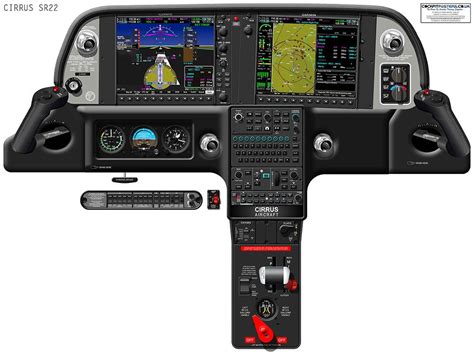
Complex Cockpit Interfaces
Integrated automation systems can make cockpits more technologically dense, increasing the chances of confusion during emergencies. Understanding every logic path within the system becomes difficult, even for seasoned professionals.
Automation Dependency and Mismanagement
Poor understanding of automation modes (e.g., lateral/vertical navigation logic, mode reversion) can result in mismanagement, particularly during mode transitions. Pilots can become “button pushers” rather than true flight managers.
The Human Element in Automated Flight
While machines may excel at monitoring and executing programmed commands, they lack the judgment, creativity, and adaptability of a human pilot. Historically, pilots acted as backups to machines—now, machines back up pilots.
However, this inversion brings challenges. In modern cockpits, both crew members often function as pilot monitoring, observing technology rather than flying actively. Humans are problem-solvers, not passive observers. Relegating pilots to monitoring alone undermines their strengths.
Training the Pilot to Monitor Effectively
Pilots must learn how to monitor automation effectively—not just look at displays but truly interpret what the systems are doing. Modern training must shift from emphasizing manual skills alone to honing monitoring acumen.
An effective exercise includes pausing the simulator and asking pilots questions like:
- What was your altitude?
- What was your indicated airspeed?
- What was your rate of descent or climb?
- What was your fuel status?
- What were the engine parameters?
These sessions are not meant to shame but to awaken awareness. Situational awareness is not memorizing numbers; it’s understanding the context, the margins, and being mentally ahead of the aircraft.
The Pilot Monitoring Dilemma
When monitoring becomes passive, it leads to delayed responses and ineffective decision-making. Pilots must move beyond simply watching systems—they must understand and anticipate them. SOPs provide certain hard rules—e.g., call “Speed” if it deviates ±20 knots—but what about ambiguous situations?
Here, the soft skills of communication and assertiveness come into play. Knowing when and how to speak up is just as important as flying the aircraft itself.
Communication Gaps in the Flight Deck
Studies examining 37 fatal accidents show that in over 80% of cases, the captain was the pilot flying, and the first officer noticed the problem but failed to communicate it effectively. The root issue wasn’t lack of knowledge—it was social dynamics and communication hesitation.
Junior crew often hesitate to challenge authority. However, effective flight crews must adopt a team-based communication approach. It’s not about questioning the individual, but about solving a shared problem.
As Georgia Institute of Technology noted:
“Superiors may issue direct commands, but if subordinates do the same, they may be perceived as rude or insubordinate.”
Using Open Questions to Improve Crew Interaction
Open-ended questions are a powerful communication tool that shifts attention and promotes critical thinking. Closed questions, like “Did you check the altitude?” often yield surface-level responses. But asking, “What altitude were we passing?” requires the listener to retrieve, process, and respond with intention.
This strategy can help mitigate fixation, a major hazard during high-stress scenarios. Open questions pull the mind out of tunnel vision and foster shared situational awareness. In training, instructors should emphasize:
- Open inquiry over closed questioning
- Engagement over correction
- Collaboration over challenge
Rethinking Manual Flying in a Highly Automated Environment
While many advocate for a return to manual flying, this is not always practical in modern high-density airspace with tight vertical and speed constraints. Continuous descent operations, complex terminal procedures, and strict airspace separation rules make full manual control impractical.
Therefore, the role of pilot monitoring becomes even more critical. It’s not about going backward to analog flying but moving forward with the right human-automation synergy.
Conclusion: The Future Requires Smarter Humans, Not Just Smarter Machines
Automation in aviation is not a choice—it is an inevitability. What matters now is how we adapt. Pilots must evolve from mere operators to automation managers and cognitive leaders.
The industry must recalibrate training to build monitoring expertise, foster effective communication, and prepare pilots to challenge respectfully but firmly. The ultimate goal is not just to fly the aircraft but to manage the flight system as a unified team.
In the high-tech sky, the most valuable safety tool remains the well-trained, well-aware, and well-communicating human pilot.