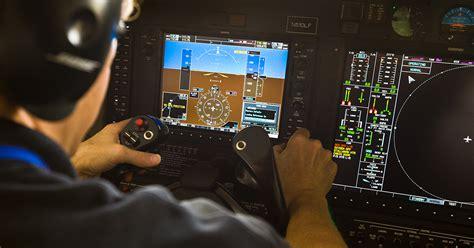
Automation in aviation refers to the use of advanced control systems and technologies to reduce the need for manual pilot intervention. These systems range from basic autopilots and automated navigation aids to sophisticated flight management systems capable of controlling nearly every aspect of a flight. Automation’s primary goals are to reduce pilot workload, enhance decision-making, and improve operational safety. However, as automation has evolved, so have concerns about pilot complacency and over-reliance on these systems.
Automation systems can manage tasks with remarkable precision and consistency, handling everything from altitude control to complex approach procedures. However, this reliance on automated systems can diminish a pilot’s manual flying skills, potentially compromising their ability to react in high-pressure, unexpected situations. This dynamic creates a paradox where the very systems designed to enhance safety can also introduce new risks if not properly managed.
The Human Element in Automation: Balancing Advantages and Disadvantages
While automation has significantly improved the safety and efficiency of modern aviation, it also presents several critical human factor challenges. These can broadly be categorized into advantages and disadvantages:
Advantages of Increased Automation:
- Reduced Human Error: Automation reduces the likelihood of pilot errors, historically one of the leading causes of aviation accidents. By automating routine tasks, pilots can focus more on high-level decision-making and critical safety checks.
- Lower Workload: Automated systems handle many routine operational tasks, allowing pilots to concentrate on monitoring flight performance and managing complex decision-making.
- Enhanced Precision and Accuracy: Automation excels at executing tasks that require exact control, such as altitude maintenance, approach and landing procedures, and fuel management, reducing the risk of human miscalculation.
- Support in Emergencies: Advanced systems like autothrottle and Autoland can assist during critical situations, such as engine failures or low-visibility landings, significantly improving the likelihood of a safe outcome.
Disadvantages of Increased Automation:
- Risk of Complacency: Over-reliance on automated systems can lead to reduced situational awareness, slower response times, and a diminished ability to handle unexpected events.
- Erosion of Manual Flying Skills: Continuous use of automation can degrade a pilot’s manual flying proficiency, potentially leading to significant skill gaps during automation failures.
- Complex Cockpit Environments: The integration of multiple automated systems can create a cluttered, complex cockpit environment that complicates fault diagnosis and recovery.
- Automation Dependency: Pilots who become too dependent on automation may struggle to manage their aircraft effectively in scenarios where automated systems fail or behave unexpectedly.
The Pilot Monitoring Dilemma
As automation advances, the pilot’s role has shifted from active flight control to a primarily monitoring function. This change introduces its own set of challenges, as humans generally excel at active problem-solving but struggle with passive monitoring. This shift can increase the risk of latent failures, where pilots may miss critical cues or misunderstand system behavior due to a lack of direct interaction with the aircraft’s controls.
Thirty years ago, pilots served as a critical backup for mechanical systems, directly correcting technical failures as they occurred. Today, pilots monitor systems that themselves provide layers of automated backup, reducing direct involvement and potentially eroding their hands-on flying skills. This shift demands a new focus in pilot training, emphasizing system monitoring and rapid anomaly detection over manual control.
Increasing Awareness of Automation Challenges
To effectively address these challenges, airlines and flight training organizations must emphasize the importance of active monitoring. One proven approach involves the use of simulator scenarios that temporarily disable automated systems, requiring pilots to assess their situational awareness without the aid of digital displays. For instance, freezing a simulator and quizzing crews on key parameters like altitude, airspeed, fuel levels, and engine status can reveal gaps in awareness and foster discussions about effective monitoring strategies.
Effective Communication in the Cockpit
Effective monitoring is only part of the equation. Communication between pilots remains a critical factor in flight safety. Studies show that first officers often recognize emerging problems but hesitate to challenge the captain’s decisions. This communication gap can lead to missed opportunities to prevent accidents. Training crews to use clear, assertive language and to frame challenges as joint problem-solving efforts can significantly improve cockpit dynamics.
Open questions are a particularly powerful tool in this context. Unlike closed questions that can be answered with a simple “yes” or “no,” open questions require thoughtful responses that engage a pilot’s cognitive processes. For example, instead of asking, “Is everything okay?” a more effective approach might be, “What’s our current airspeed and fuel status?” This approach forces the receiving pilot to actively assess the situation, reducing the risk of cognitive fixation and promoting shared situational awareness.
Final Thoughts on the Future of Aviation Automation
As the industry continues to evolve, it is clear that automation will play an even greater role in flight operations. However, effective pilot training must balance technical proficiency with strong monitoring skills and robust communication strategies. Standard Operating Procedures (SOPs) alone cannot address every possible scenario, making it essential for crews to develop the skills necessary to challenge and verify automated system performance effectively.
Ultimately, the future of aviation will depend not just on technology but on the people behind the controls, ensuring that automation remains a tool for enhanced safety rather than a source of unrecognized risk. By investing in comprehensive Crew Resource Management (CRM) training and fostering a culture of open communication, the aviation industry can confidently navigate the challenges and opportunities of increasing automation.