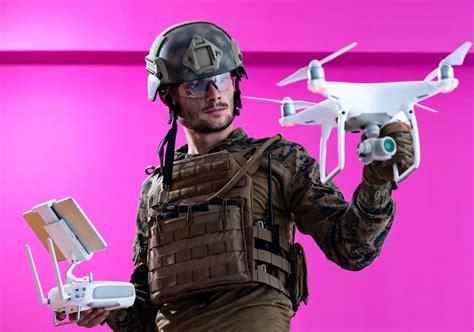
In recent years, the military has increasingly incorporated drones into its operations, and the Navy is no exception. Drone pilots in the Navy play a critical role in modern warfare, surveillance, reconnaissance, and intelligence-gathering. These pilots operate sophisticated unmanned aerial systems (UAS), performing tasks that were once impossible or too dangerous for manned aircraft. The profession of a drone pilot in the Navy offers not only a fulfilling military career but also a transition to a wide range of civilian job opportunities in defense contracting, engineering, and aeronautics. In this article, we explore the journey of becoming a drone pilot in the Navy, the training and qualifications required, the roles and responsibilities of these professionals, and the future outlook of this career path.
What Does a Drone Pilot in the Navy Do?
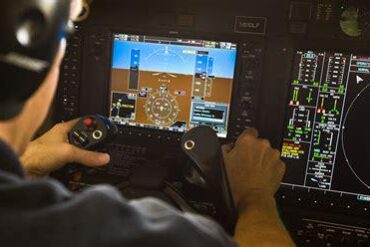
A drone pilot in the Navy is responsible for operating unmanned aerial vehicles (UAVs) for a variety of military and strategic purposes. These UAVs are used for surveillance, reconnaissance, targeting, and providing intelligence support to Navy operations. The duties of a drone pilot in the Navy include flying drones on complex missions, monitoring video feeds, interpreting sensor data, and ensuring the safe operation of these high-tech machines. In essence, drone pilots are crucial to modern military strategy, providing real-time information without the risks associated with manned flights.
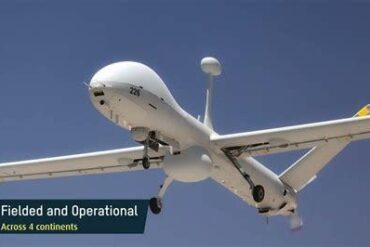
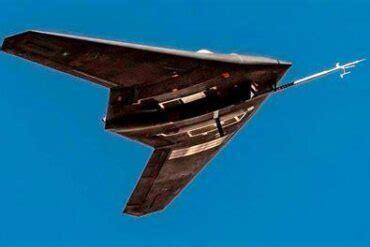
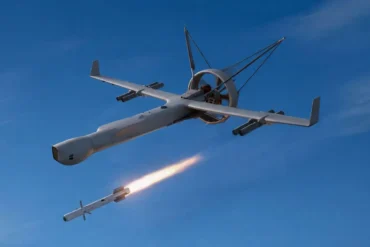
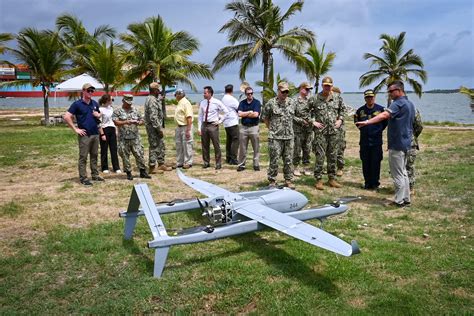
Drone pilots in the Navy operate different types of UAVs, ranging from small tactical drones to larger, more advanced UAVs used for long-range reconnaissance and combat missions. These drones are equipped with sophisticated sensors and cameras that allow them to gather intelligence, track enemy movements, and provide crucial information to military commanders. The role of a drone pilot in the Navy is multifaceted, requiring both technical expertise and strategic thinking.
Training and Qualifications for Navy Drone Pilots
Becoming a drone pilot in the Navy requires a specialized set of skills and training. Typically, candidates for this role are required to have a strong technical background, a good understanding of aviation principles, and the ability to work in high-pressure environments. The Navy provides extensive training for drone pilots, including both classroom instruction and hands-on flight experience.
The training process for Navy drone pilots begins with basic aviation and UAS operation courses. These courses teach recruits the fundamentals of flight dynamics, UAV systems, and the operation of various drone platforms. After completing the initial training, aspiring drone pilots move on to more advanced programs that focus on mission-specific operations, sensor management, and intelligence analysis.
Additionally, Navy drone pilots are trained to operate within a military context, which means understanding the broader mission and how their role fits into the larger objectives of Navy operations. These pilots are often required to collaborate with other military units and provide critical support for various missions, including surveillance of enemy territory, providing situational awareness, and supporting combat operations.
The Navy also offers opportunities for further education, such as master’s degrees in unmanned aerial systems (UAS), which can significantly enhance a drone pilot’s career prospects. Furthermore, the Navy provides veterans with education benefits that can help ease their transition to civilian careers, especially in the rapidly growing drone industry.
The Benefits of Military Experience for Drone Pilots
One of the key advantages of serving as a drone pilot in the Navy is the extensive experience and skills that military service imparts. Veterans of the Navy’s drone programs are highly sought after in the civilian job market, particularly in defense contracting, engineering, and aeronautics. The leadership skills developed during military service—such as project management, team leadership, and problem-solving—are highly valued by employers in the private sector.
Moreover, the stability offered by a military career is unmatched. Navy drone pilots enjoy a comprehensive benefits package that includes free healthcare, housing allowances, meals, and access to education for themselves and their families. The Navy also offers generous retirement benefits, which can be an attractive factor for those considering a long-term career in the military.
Unlike civilian jobs, where long-term benefits are often lacking, the Navy’s military pension system provides veterans with a stable financial future. The sense of camaraderie, pride in service, and the opportunity to be part of a larger mission are additional non-monetary benefits that make a career as a drone pilot in the Navy rewarding.
The Growing Demand for Drone Pilots in the Civilian Sector
The demand for drone pilots in the civilian sector has exploded in recent years, with drones becoming an essential tool for various industries, from agriculture to filmmaking, to law enforcement. Many former military drone pilots transition into civilian careers after completing their service, and their specialized skills are in high demand.
In particular, the defense contracting industry actively seeks experienced drone pilots who have operated in military contexts. These professionals are needed to manage and operate drones for surveillance, reconnaissance, and intelligence-gathering purposes for private defense contractors working with the government. Additionally, drone pilots with military experience are highly valued by law enforcement agencies, search and rescue (SAR) teams, and emergency medical services (EMS), where drones are used to provide critical aerial support during high-risk operations.
Drone pilots who have gained expertise in operating large UAVs or who have specialized in long-range reconnaissance missions are particularly marketable. Civilian employers often look for professionals with a strong understanding of UAV systems and who can adapt their military training to meet civilian demands. Furthermore, the advanced technology used by the Navy in its drone programs provides veterans with a competitive edge when seeking private-sector jobs in high-tech industries like aeronautics and engineering.
Navigating the Transition to Civilian Careers
Transitioning from a military role to a civilian job can be challenging, especially for those who have spent many years in the highly structured environment of the Navy. For drone pilots in particular, the transition may involve finding new ways to apply their skills outside of a military context. While many veterans successfully transition into civilian roles, the process can be daunting without proper guidance and support.
Fortunately, resources such as Vetstodrones.org are available to help veterans navigate the transition. These resources connect former military personnel with civilian employers and provide guidance on how to leverage military training for civilian opportunities. Additionally, networking with former colleagues, attending industry conferences, and pursuing further education can open doors to new career prospects.
Former Navy drone pilots also have the advantage of being able to work for defense contractors or government agencies that value their military expertise. These positions can offer similar job satisfaction to military service while providing the flexibility and benefits of civilian employment.
The Future of Drone Pilots in the Navy
The future of drone piloting in the Navy looks bright, with continued advancements in drone technology and an increasing reliance on UAVs in military operations. As the Navy adopts more sophisticated UAV systems, the role of the drone pilot will evolve to include more complex missions and responsibilities. The Navy’s use of drones for intelligence, surveillance, and reconnaissance (ISR) missions will likely expand, opening up new opportunities for drone pilots to contribute to national security.
Moreover, the growing demand for drone technology in the civilian sector means that Navy-trained drone pilots will continue to be in high demand, both during and after their military service. As the drone industry continues to grow, so too will the opportunities for veterans with UAV experience, whether they choose to stay in defense contracting, pursue a career in engineering, or transition into civilian roles in law enforcement or emergency response.
In conclusion, a career as a drone pilot in the Navy offers a unique combination of technical skill development, leadership opportunities, and long-term benefits. As the demand for UAVs continues to rise, so too does the importance of the Navy’s drone pilots in shaping the future of modern warfare and national security. For those interested in a rewarding career with both military and civilian benefits, becoming a drone pilot in the Navy is an excellent choice that promises stability, growth, and career satisfaction.