The F-35 Lightning II, widely regarded as one of the most advanced multi-role fighters in the world, has been a pivotal part of modern military aviation since its development in the early 2000s. While Lockheed Martin remains the primary contractor for the F-35, Boeing has played an integral, albeit indirect, role in its history. This article delves into Boeing’s involvement in the F-35 program, exploring its contributions, competition, criticisms, and strategic positioning in the global defense sector.
The F-35 Program: A Brief Overview
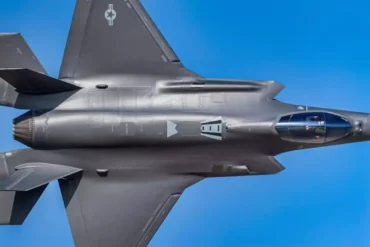
The F-35 was designed as a versatile, fifth-generation multirole fighter to meet the needs of various branches of the U.S. military and allied forces worldwide. Its key features include stealth capabilities, advanced avionics, and the ability to perform air superiority, ground attack, and intelligence, surveillance, and reconnaissance (ISR) missions. The F-35 has three variants: the F-35A (conventional takeoff and landing), F-35B (short takeoff and vertical landing), and F-35C (carrier-based).
Despite its successes, the F-35 program has faced challenges, particularly in cost overruns, technical issues, and production delays. Boeing’s involvement in the F-35’s development, though limited, has shaped the aircraft’s trajectory, influencing both its design and the competitive landscape of defense contracts.
Boeing vs. Lockheed Martin: The Initial Competition
In the 1990s, the Joint Strike Fighter (JSF) program, which would eventually become the F-35, was launched by the U.S. Department of Defense. The goal was to develop a family of aircraft that could serve multiple branches of the military, reducing costs and simplifying operations. Lockheed Martin and Boeing were the primary competitors for the JSF contract, each presenting their own prototype.
The Boeing X-32: A Flawed Competitor
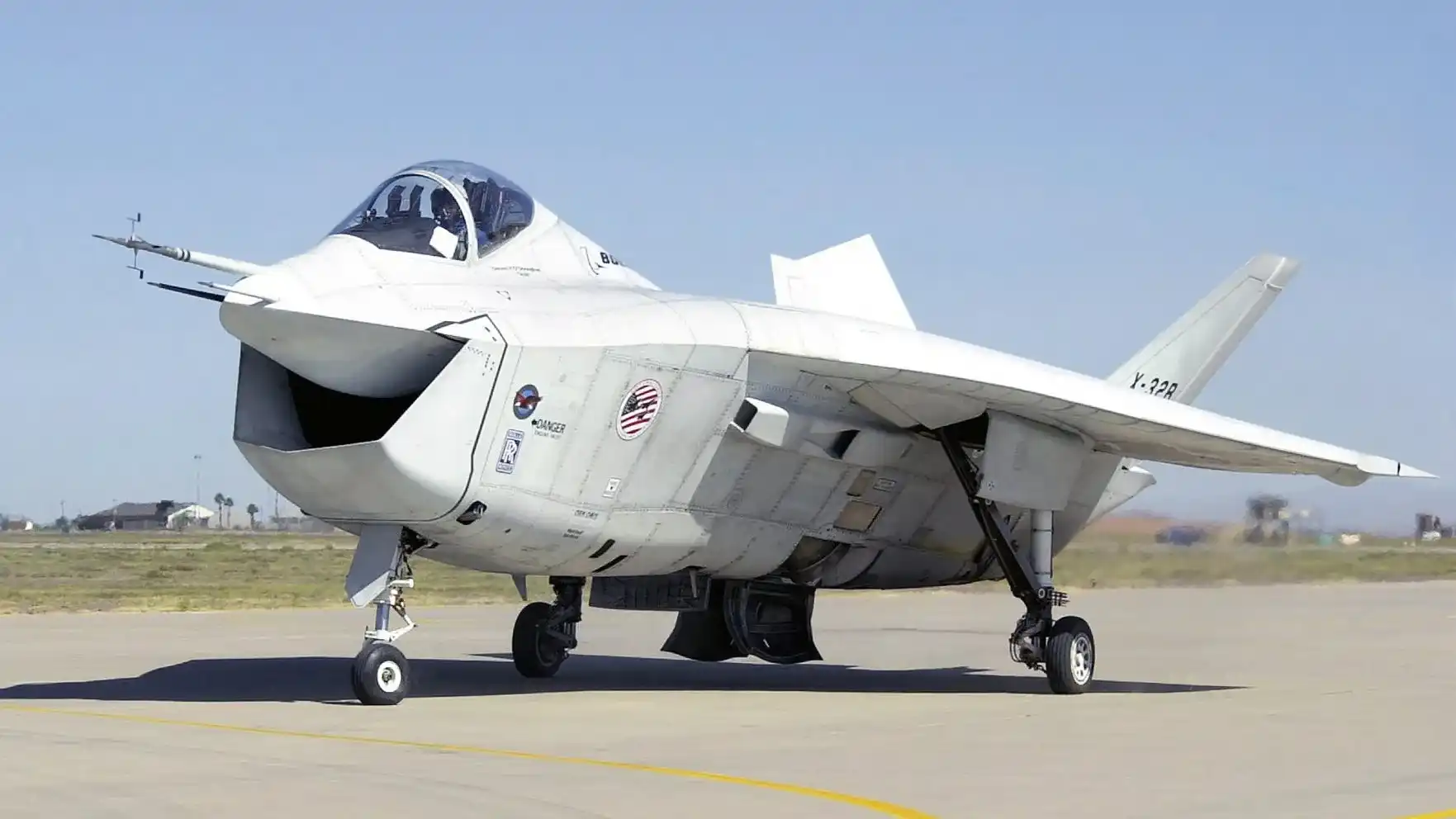
Boeing’s entry into the JSF competition was marked by the X-32, a concept fighter designed to meet the stringent requirements set by the U.S. military. However, the X-32 faced several significant design and technical issues:
- Design Challenges: The X-32 featured a unique tail-first design, which was controversial and ultimately seen as less effective than Lockheed’s shaft-driven lift fan system, which enabled superior vertical takeoff and landing (VTOL) capabilities.
- Weight and Agility Issues: The X-32 struggled with managing weight, which hindered its agility and stealth capabilities — two key factors for modern fighters.
- Stealth Deficiencies: While both competitors were required to meet stealth criteria, the X-32’s design did not meet the stealth standards as effectively as the Lockheed Martin X-35.
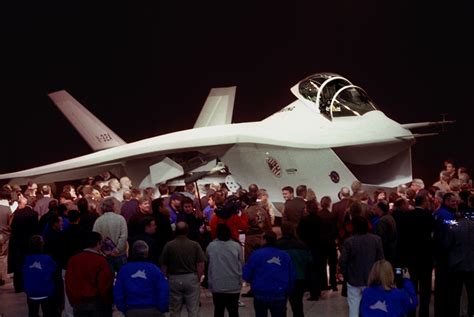
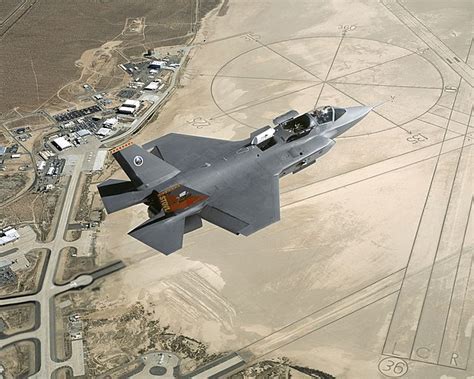
In 2001, after extensive testing, the Lockheed Martin X-35 emerged victorious, securing the JSF contract and ultimately becoming the F-35 Lightning II. This marked the beginning of Boeing’s shift from being a direct competitor to a complementary player in the F-35 program.
Post-Competition: Boeing’s Strategic Shifts
Though Boeing lost the F-35 contract, it did not retreat from the advanced military aircraft market. Instead, the company redirected its efforts to offer competitive alternatives and continue to exert influence over the evolving landscape of modern air combat.
The F/A-18 Super Hornet: A Competitive Alternative
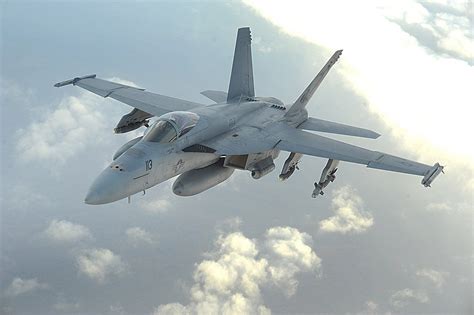
In the early 2000s, as the F-35 program faced delays and budget overruns, Boeing marketed the F/A-18E/F Super Hornet as a more cost-effective solution. The Super Hornet is a carrier-based fighter that has been a workhorse for the U.S. Navy, offering versatility at a significantly lower price point than the F-35. Boeing used the Super Hornet’s capabilities to appeal to military decision-makers, particularly those concerned with the F-35’s high costs and uncertain delivery timelines.
The F-15EX: A Modernized Platform
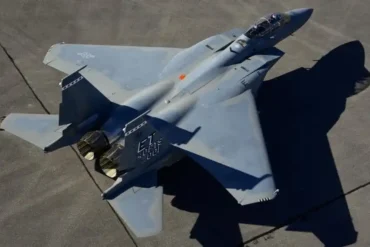
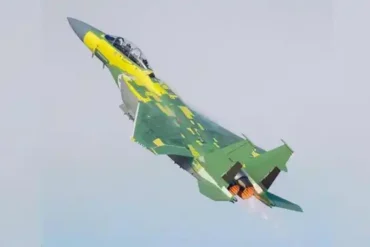
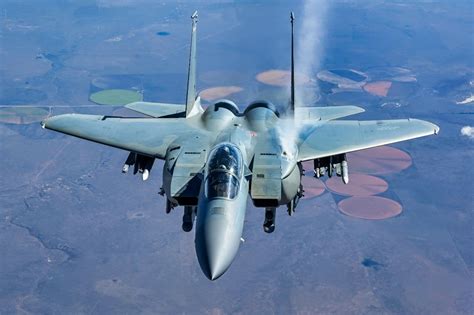
Recognizing the F-35’s challenges, Boeing developed the F-15EX Eagle II, an advanced version of the F-15 fighter, to complement and sometimes directly compete with the F-35. The F-15EX incorporates modern avionics, weapons systems, and mission-capable upgrades while retaining the proven reliability of the F-15 platform. The U.S. Air Force’s procurement of the F-15EX was driven by concerns over the F-35’s production delays, high operational costs, and maintenance challenges.
The F-15EX offers a lower-cost option for the U.S. Air Force, providing enhanced air superiority capabilities without the extensive price tag of the F-35. Its role in the U.S. military reflects a growing desire for a mixed fleet strategy, ensuring that the military has access to diverse capabilities, from stealth fighters to non-stealth platforms for lower-risk missions.
Boeing’s Criticisms and Advocacy Against the F-35
Boeing has been vocal about its concerns regarding the F-35 program, often positioning its own platforms as viable alternatives. Several key criticisms have surfaced over the years, many of which focus on the F-35’s cost, reliability, and technical flaws.
High Operational Costs and Reliability Concerns
One of the most significant criticisms of the F-35 is its operational cost. The F-35 is known for its expensive hourly operating costs, estimated at $35,000 per hour, compared to the F-15EX’s $27,000 per hour. Boeing’s F-15EX, despite being a fourth-generation aircraft, provides many modern capabilities at a lower operating cost, which is particularly appealing to military services focused on maximizing budget efficiency.
Furthermore, the F-35 has faced issues with stealth coating degradation, which reduces its low observable features over time, and delays in software development, which have impacted its mission readiness. Boeing has used these issues to underscore the advantages of its own platforms, particularly in scenarios that require long-term sustainability.
Lobbying for Mixed Fleets
In addition to criticizing the F-35, Boeing has actively lobbied for a mixed fleet approach. This strategy advocates for the procurement of both F-35s and F-15EXs to provide a more balanced set of capabilities. The goal is to maintain a strong industrial base while ensuring that the U.S. military has access to both stealth and non-stealth platforms for missions of varying complexity and threat levels.
By promoting this strategy, Boeing seeks to preserve its role in the aerospace industry, ensuring that it remains a critical supplier for the U.S. Department of Defense while offering viable alternatives to the F-35.
Boeing’s Indirect Contributions to the F-35 Ecosystem
Despite its competition with Lockheed Martin, Boeing plays a significant indirect role in the F-35 ecosystem. Boeing’s expertise in avionics, radar systems, and electronic warfare (EW) has contributed to the development of various systems that complement the F-35’s capabilities.
Contributions to Avionics and Radar
Boeing is a leader in electronic warfare (EW) systems, contributing to the development of advanced radar and sensor systems used in modern fighters. The APG-82 radar, which equips the F-15EX, reflects Boeing’s deep expertise in radar technology and its impact on broader defense technologies. This radar system, and others developed by Boeing, influences the trajectory of fifth-generation fighter development, including the F-35.
Supporting Global Logistics and Maintenance
Boeing also plays a vital role in the logistics and maintenance operations that support the global F-35 fleet. As part of the U.S. defense industrial base, Boeing contributes to the maintenance infrastructure and supply chain that ensures the F-35 remains operational across multiple air forces and naval fleets worldwide. Boeing’s extensive global network of service facilities and support contracts ensures that the F-35’s operational capacity is maximized, even as it faces challenges in certain areas.

Conclusion: Boeing’s Enduring Influence
While Lockheed Martin dominates the production and development of the F-35, Boeing has successfully maintained a significant presence in the global defense market. Through its competitive efforts with the X-32, F/A-18 Super Hornet, and F-15EX, Boeing has positioned itself as both a critical alternative and a complementary force in the ongoing evolution of modern military aviation. Its contributions to avionics, radar systems, and global logistics ensure that it remains an indispensable player in the aerospace and defense industries.
Boeing’s strategic focus on maintaining a diverse fleet of aircraft and leveraging its technological expertise has allowed it to remain relevant, even as the F-35 program continues to evolve. Boeing’s role in the F-35 ecosystem is not defined by direct competition, but rather by its ability to influence the broader defense landscape and provide critical support to allied forces worldwide.
FAQ
1. What role did Boeing play in the F-35 program?
Boeing was a competitor during the early stages of the F-35 program but lost the contract to Lockheed Martin. However, Boeing has continued to influence the program indirectly through its contributions to avionics, radar systems, and logistical support, as well as by developing competing aircraft like the F/A-18 Super Hornet and F-15EX Eagle II.
2. Why did Boeing’s X-32 lose to Lockheed Martin’s X-35?
The X-32 faced several design flaws, including an inefficient vertical lift system, weight issues that impacted its agility and stealth, and a less effective stealth coating compared to the X-35. These shortcomings ultimately led to Lockheed Martin’s X-35 securing the Joint Strike Fighter (JSF) contract in 2001.
3. What are the advantages of Boeing’s F-15EX over the F-35?
The F-15EX offers a lower operational cost and greater mission versatility than the F-35. While it lacks the stealth capabilities of the F-35, it excels in air superiority and is more affordable to maintain, making it a practical option for the U.S. Air Force and allied nations seeking to balance stealth and cost-effectiveness.